As insurance underwriters become more selective and add restrictive endorsements, contractors should negotiate terms before renewal or find a broker who understands the market and construction.

Live Field Data for Safety Reduces Risk and Costs
The use of live field data can decrease unnecessary risks by empowering workers to report safety concerns, enabling management to share safety information in real time.
How to Address the Four Biggest Staffing Issues In Construction Industry
The construction sector in the United States is a booming industry that is facing a surge in demand following the global pandemic. Yet, business leaders in this sector have been facing recurring human resource management challenges.
Input Prices Decline in September but Remain Higher on a Yearly Basis
Construction input prices declined 0.5% in September, according to an Associated Builders and Contractors analysis of U.S. Bureau of Labor Statistics’ Producer Price Index data.
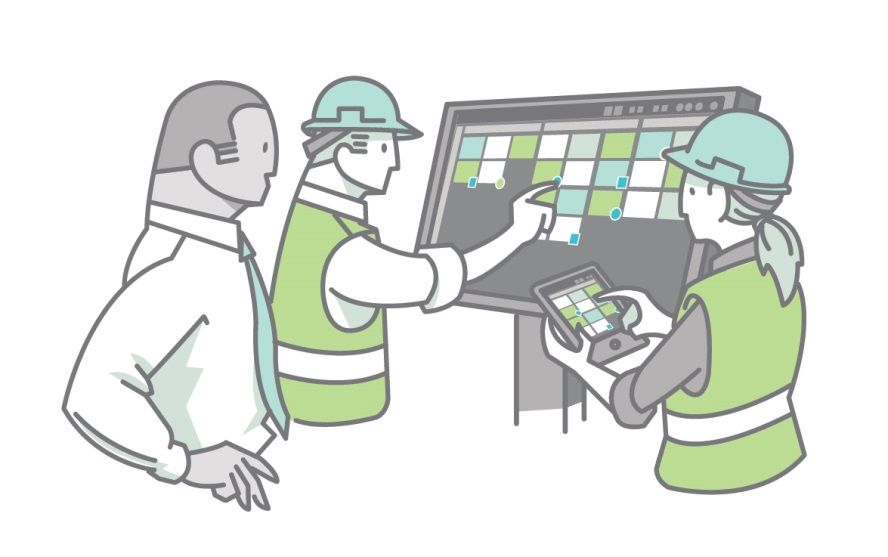
Why Contractors Are Making the Switch to Workforce Planning Software
Data is meaningless if it isn’t being used to make informed decisions. It’s essentially the difference between “digitizing” a process and “digitalizing” a process.
European Union Carbon Border Tax Is a Call to Action for U.S. Construction
For construction companies that choose to embrace collaborative, data-intelligent thinking, the low-carbon economy becomes fertile territory for growth and competitive differentiation, not just another regulatory burden.
Six Tax Planning Opportunities for Construction Contractors
Many tax provisions were implemented under legislation aimed to help businesses and individuals deal with the COVID-19 pandemic and its ongoing economic disruption. Here are some strategies to consider.
Contractor’s Defense of Premature Miller Act Payment Bond Claims
On federal projects, subcontractors can make a payment bond claim if the contractor fails to pay them. However, a contractor’s surety cannot rely on a conditional payment clause to defend against the claim.