After the dramatic pace of economic recovery that characterized 2020’s final eight months and the early months of 2021, economic growth is set to soften in 2022.
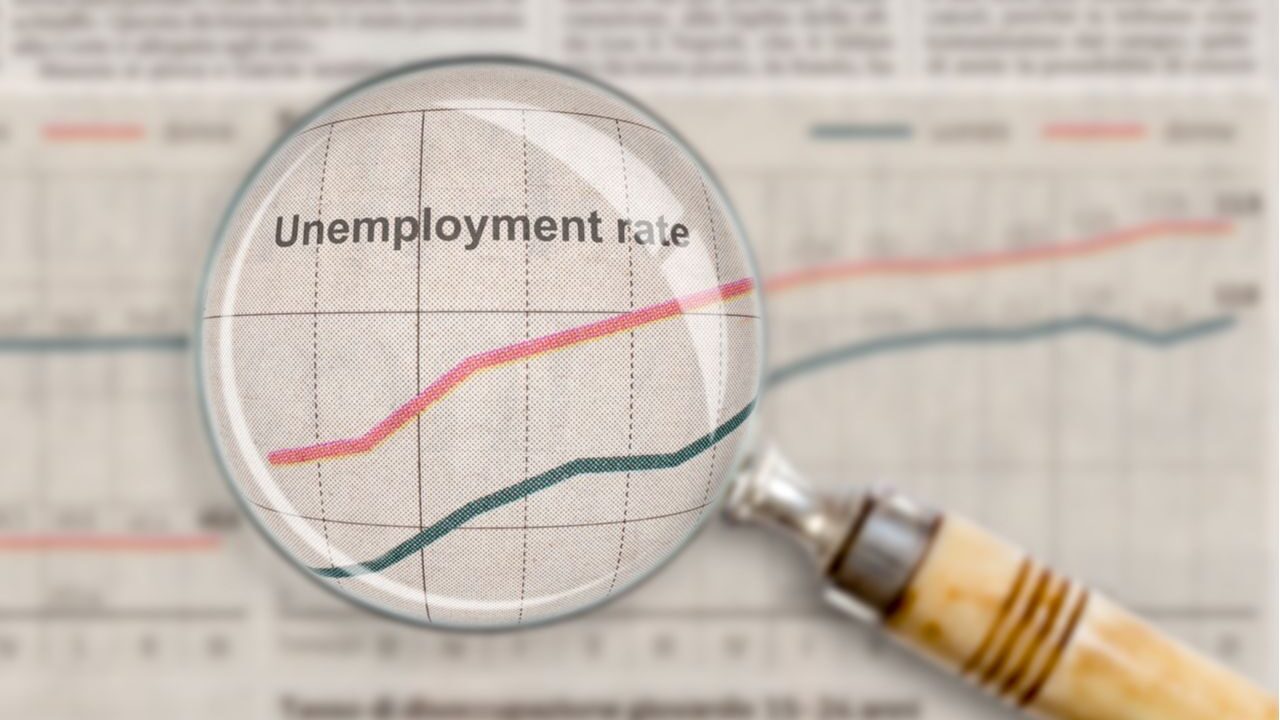
The not seasonally adjusted national construction unemployment rate dropped 2.6% in September 2021 from a year ago while 49 states had lower unemployment rates over the same period.
Despite challenges in scheduling, manpower and permitting, which affected pricing, the construction industry is moving forward as companies maneuver through uncertain times.
Investment in nonresidential structures contracted at an annual rate of 7.3% during the third quarter of 2021 and has now contracted during seven of the past eight quarters, according to an Associated Builders and Contractors analysis of data released by the U.S. Bureau of Economic Analysis.
As insurance underwriters become more selective and add restrictive endorsements, contractors should negotiate terms before renewal or find a broker who understands the market and construction.
Construction input prices declined 0.5% in September, according to an Associated Builders and Contractors analysis of U.S. Bureau of Labor Statistics’ Producer Price Index data.
The construction sector in the United States is a booming industry that is facing a surge in demand following the global pandemic. Yet, business leaders in this sector have been facing recurring human resource management challenges.
2020 marked the first time in a decade that businesses decreased their overall spending on capital equipment, according to the SEFA. However, the 7% decline was less than the double-digit drop expected by the COVID-19 pandemic.
Construction Executive’s premier weekly newsletter, CE This Week, brings you topical, relevant content on business, technology, safety, risk and other areas of importance for construction professionals.