Cost segregation can lead to significant tax deferrals, a boost in cash flow and an increase in capital immediately available for new projects—and the new tax law has made it even more valuable for a limited time.

Plan Now for Tax Season
It is essential that construction companies' operations be reviewed prior to year-end while considering the savings available from tax methods, depreciation, related party payments and other tax deductions and credits.
Implementing ASC 606
FASB’s new revenue recognition standard, ASC 606, takes effect in December 2018 and will significantly affect how contractors recognize revenue.
Millennials Spend Less on Business Travel Than Older Employees
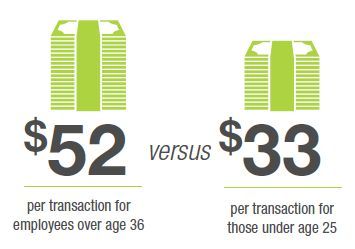
Average dining, hotel and entertainment expenses for employees between the ages of 36 and 65 totaled $8,596 over two years compared to $5,188 for employees between the ages of 22 and 35.
Financial Technology: A Top Contender to Improve Construction Payments
Successful companies stockpile cash and manage working capital. The right software can help contractors keep their promises and add transparency to the payment process.
It Pays to Automate Accounts Receivables
When distributors spend their time and money on building up their business, versus plugging the holes of a sinking invoice process, they can better serve customers and manage supplier relationships. Automation can help.
WIP Reports Made Easy With Construction Accounting Software
With the five main components of construction accounting—job costing, payroll, general ledger, accounts payables and accounts receivable—integrated into the same software system, contractors have access to all relevant data to take advantage of extensive reporting.
Avoid Costly, Inaccurate and Inefficient Payroll Processing
Construction contractors should be careful to properly classify workers, pay prevailing wages and certify payroll on government projects, as well as pay state and local employment taxes at the right rate and for the correct amount of time a worker is on the job.