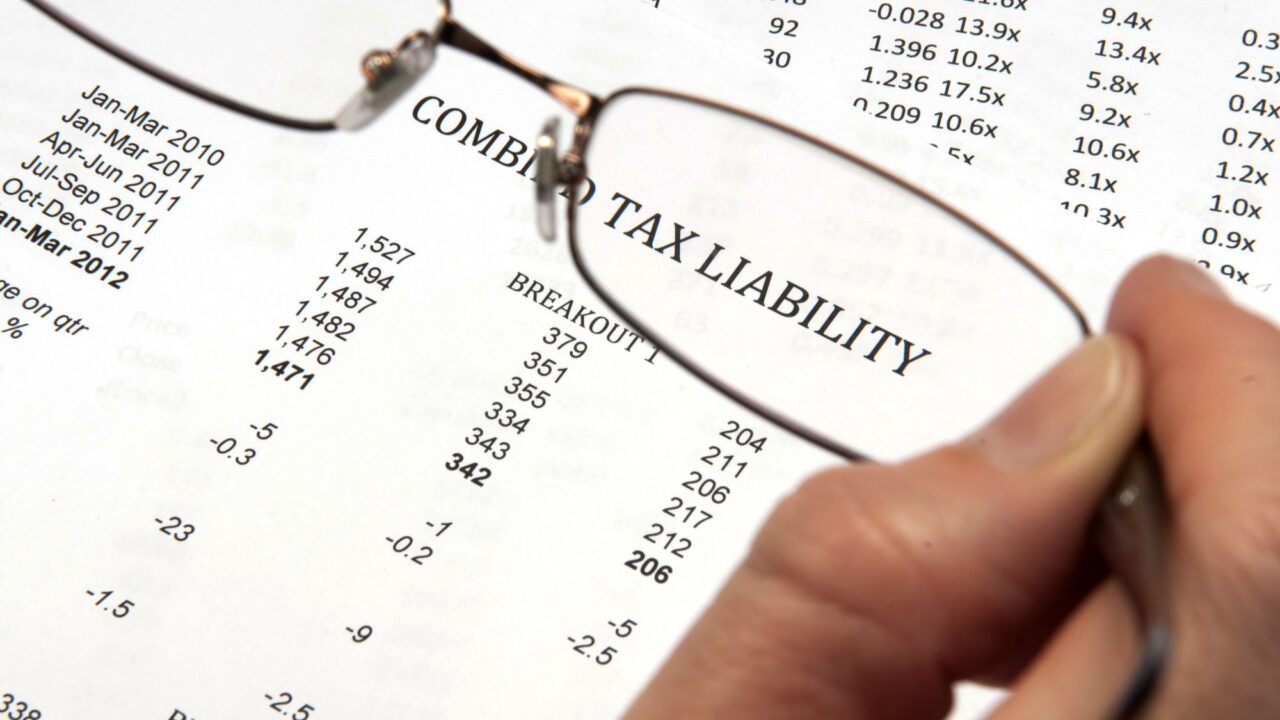
There are numerous ways that tax reporting for construction contracts can create taxable temporary differences and thus a deferred tax liability for financial reporting. Here's how.

The Risk (and Inevitability) of Change Orders on a Construction Project
With construction accounting software, contractors can make sure change orders are properly tracked and billed, reducing risk and preserving profits.
Tools to Help Contractors Defer Income Tax
Several tools are available to construction contractors to defer income tax liabilities. Often, these tools are not being used effectively—or even being taken advantage of at all.
New Tax Law Tools to Add to Contractors’ Tool Belts
The first major tax overhaul in decades is now a reality. Its provisions will impact the construction industry in positive and negative ways. Construction industry leaders need to fully understand the law, assess their unique situations and make decisions in response that position their businesses for long-term success.
Leverage Cost Segregation for Significant Tax Deferrals
Cost segregation can lead to significant tax deferrals, a boost in cash flow and an increase in capital immediately available for new projects—and the new tax law has made it even more valuable for a limited time.
Plan Now for Tax Season
It is essential that construction companies' operations be reviewed prior to year-end while considering the savings available from tax methods, depreciation, related party payments and other tax deductions and credits.
Implementing ASC 606
FASB’s new revenue recognition standard, ASC 606, takes effect in December 2018 and will significantly affect how contractors recognize revenue.
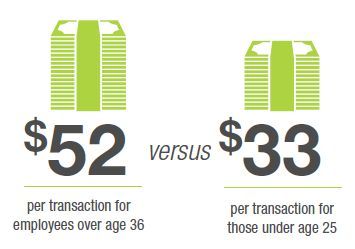
Millennials Spend Less on Business Travel Than Older Employees
Average dining, hotel and entertainment expenses for employees between the ages of 36 and 65 totaled $8,596 over two years compared to $5,188 for employees between the ages of 22 and 35.