In a perfect world, every job runs smoothly. There are never delays, everything is done in sequence, and contractors make the profit (or better) identified on bid day. Unfortunately, construction projects are rarely perfect. Material shipments are late, incomplete, or just wrong. Other trades fall behind in their work, causing delays for the crew. Even the weather can affect the project.
Contractors may be asked to jump around and work out of sequence, possibly resulting in overtime being forced on the crew.
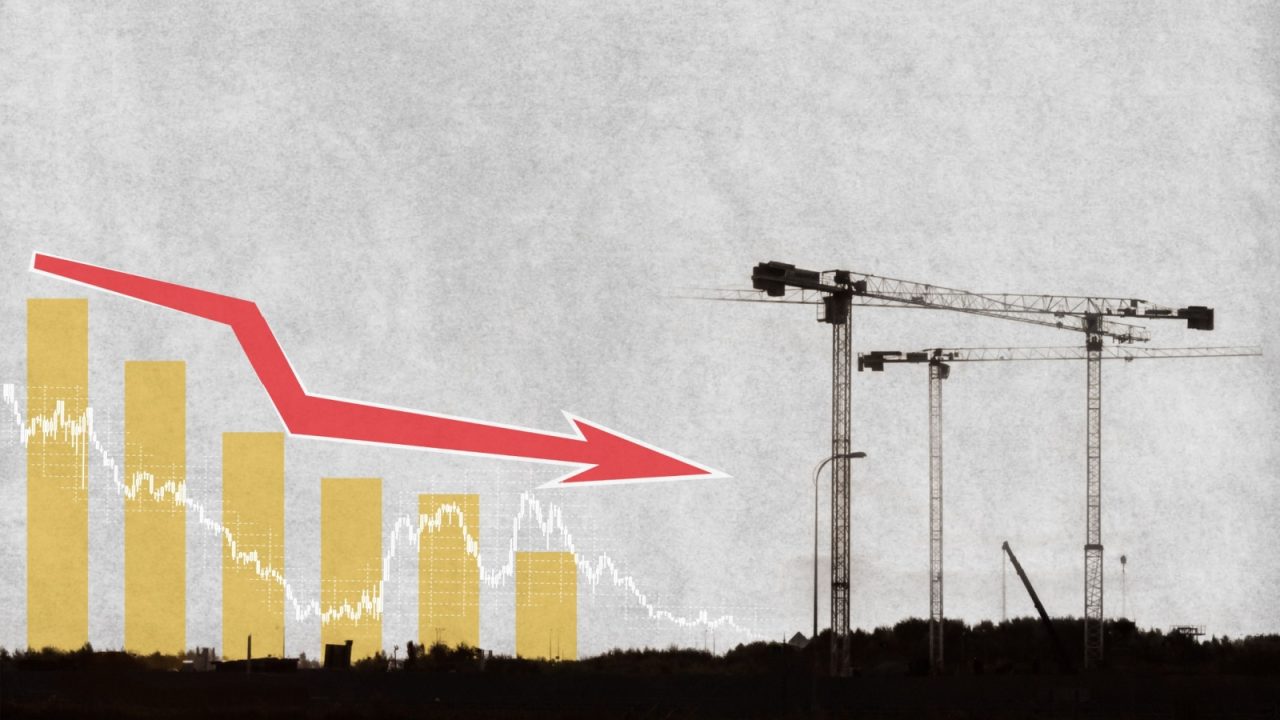
The Economy
When the economy was better, an important strategy was to pick the territory wisely, hand pick the clients, choose the kind of work that was in the sweet spot, and negotiate a project rather than hard bid it. In a stronger economy, contractors think in terms of relationships. They think of the long term. They are nice. They say yes more. In a down economy, like now, contractors find themselves hard-bidding jobs against thirty competitors, bidding on jobs out of town, and working for clients that are difficult and for whom they would not typically work. Contractors find themselves fighting tooth and nail for every dollar and focusing on every change order. Projects naturally start from a place of stress. Managing the project each and every day is the foundation to maintaining profits and winning claims.
Claim Process
There are plenty of reasons why contractors don’t worry about the claims process. Some are listed below:
- Claims happen to the ‘other guy’.
- Projects are always fully documented.
- Projects always go according to plan.
- Communication never breaks down.
- The numbers aren’t always trustworthy.
Project Managers (PMs) are responsible for tracking a great deal of information. Equally important is performing analytics on this data. PMs must track original estimated quantities of materials and labor hours. They must measure the installed materials and the corresponding completed labor hours; this includes the percent complete to the calculated earned value. The inclusion of actual payroll data brings a higher level of accuracy to the project that helps determine its success or failure. The need to file claims puts a lot of stress on the project and the team. It is better to go on the offensive with up-front strategic project management in order to be prepared for claims. If a contractor implements best practices, the need for a claim to be filed will not be eliminated or prevented. It will, however, put the contractor in a far stronger position to defend himself/herself and subsequently win the claim outright.
Best Practices
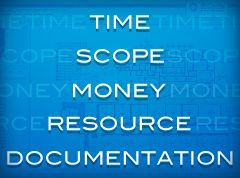
There are five essentials to strategic project management—Scope, Resource, Time, Money, and Documentation. If the job shifts from perfect to imperfect, these five fundamentals will determine whether the contractor makes money on the job or if there is enough information to win a claim.
1 – Scope
Scope is the first essential and is really the quantitative takeoff. It is the basis for good documentation. The takeoff is the visualization of what has been defined as the project’s scope of work. It is the job’s benchmark and PMs should perform their own takeoff after winning the bid and before starting the build.
2 – Resource
Resource is really the labor and material budget. It is important to be thorough and break everything down by area and code. This breakdown should reflect how the job would be manned and sequenced. Confirmation of this workflow should be made with the foreman. The stocking list should also reflect the area and code breakdown. This information serves as evidence—what the contractor planned to complete before any circumstances on the job changed. This is the basis for planned versus actual materials tracking.
3 – Time
Time is something typically ‘given’ to the contractors by the General Contractor (GC); the subs live and die by this time schedule. Whether the schedule of tasks outlined matches the sequence in which the crews need to work is something that needs to be considered. The next step is identifying vertically stacked activities to indicate potential conflicts or areas of concern where contractors may be stepping all over one another on a project. Proactive resource loading of the schedule must be addressed. This is accomplished by taking the budgeted hours and calculating how many men will be needed to complete each line item in the schedule. When a resource-loaded schedule is mapped onto a chart, it should look like a modified and gradual bell curve. If it does not, then there are unbalanced resources, which could take the project off course (time and budget). If a problem arises, be certain to communicate the problems to the GC early and regularly and ask for relief. If the contractor doesn’t make the GC aware of a potential situation or ask for assistance when he/she is aware of a problem, it will be harder to be granted relief later in the project.
4 – Money
In order to manage money, contractors need a solid job cost accounting system. Estimated quantities must be identified from the thorough and complete takeoff performed by the project manager before beginning the build. In addition, the installed data quantities should be gathered from the job site using automation tools that will be instantly communicated back to the office. The next step is to align that information to the weighted average value of those areas; otherwise there will be erroneous results. The next information needed is the estimated time from the PM’s estimate and the actual time from the payroll time cards. This information will allow the calculation of the percent complete of the job. Projections for final costs will show potential claims based upon the information the numbers expose. Now this following point is critical—don’t ignore the analytics because the numbers don’t lie. If contractors don’t pay attention to these projections they will have a problem at the end of the project and it will be too late to correct the issue.
5 – Documentation
Documentation is arguably the most important of the five essentials. Documentation must be started from the beginning—not when the situation dictates its need. The crew simply won’t remember the details. Without good documentation, it will be a war of ‘your word against theirs’ when it comes to supporting (or defending) a claim. A delay letter should not be confrontational but rather be informational to avoid a claim before it happens. Make this communication very clear and include details such as activity, area, delay start time, delay end time, and elapsed time (net work days minus any holidays in that window) when known. This provides a lot of credibility when having a conversation related to the delay. The best time to pull together this information is the day before the regular job status meeting. Share this information with the superintendent before the meeting, allowing him/her to discuss this situation with each of the appropriate contractors at the status meeting. The other important aspect of documentation is tracking the measured mile. It is a legal premise where contractors measure off effected work. Identification of the estimated time to complete is compared to the actual time spent. Analyzing the factors that caused the cost overrun is most effective when using automation tools because the work is time stamped and easily reflects the work status. Photograph and take videos of the situation, store the support data within the automation tool, and then carry the tablet into the meetings. Creating solid documentation takes away the ‘your word against theirs’ weak link in a claim.
Strong & Strategic
The chance of losing a claim is a lot higher than any contractor in the construction business wants to admit. Contractors convince themselves of any number of things in hopes that ‘it’ won’t happen to them. Periodic and regular checkpoints across the lifecycle of a project help to identify issues while there is still time for them to be addressed. This review process provides a solid offense for winning claims. Access to information from across the project is critical. Dealing with claims is a very time consuming and stressful activity. It detracts from the core business. A claim isn’t a strategy to make money, but rather filing a claim is a way to avoid losing money or to recover money. Therefore, it is best to do everything possible throughout the project lifecycle to be prepared for claims. Start from a position of strength. Focus on the five essentials—Scope, Resource, Time, Money, and Documentation. If the claim is well documented, the other parties may not push back once the information is shared. Strategic and proactive project management is the tool to be used for winning arguments for a claim.
On Center Software
On Center Software, Inc., is a privately held company providing software and training to construction industry professionals for over 24 years. Located in The Woodlands, Texas, the company’s mission is to transform the estimating, takeoff, and labor-tracking experience with comprehensive software solutions that turn winning bids into profitable projects. On Center Software solutions include On-Screen Takeoff®, Quick Bid®, and Digital Production Control™. Customers in the United States, Canada, Australia, New Zealand, United Kingdom, South Africa, and 60 other countries around the world leverage On Center Software’s internationally recognized solutions. For more information about On Center Software, call 1.866.627.6246 or visit www.oncenter.com.
DOWNLOAD the full white paper.