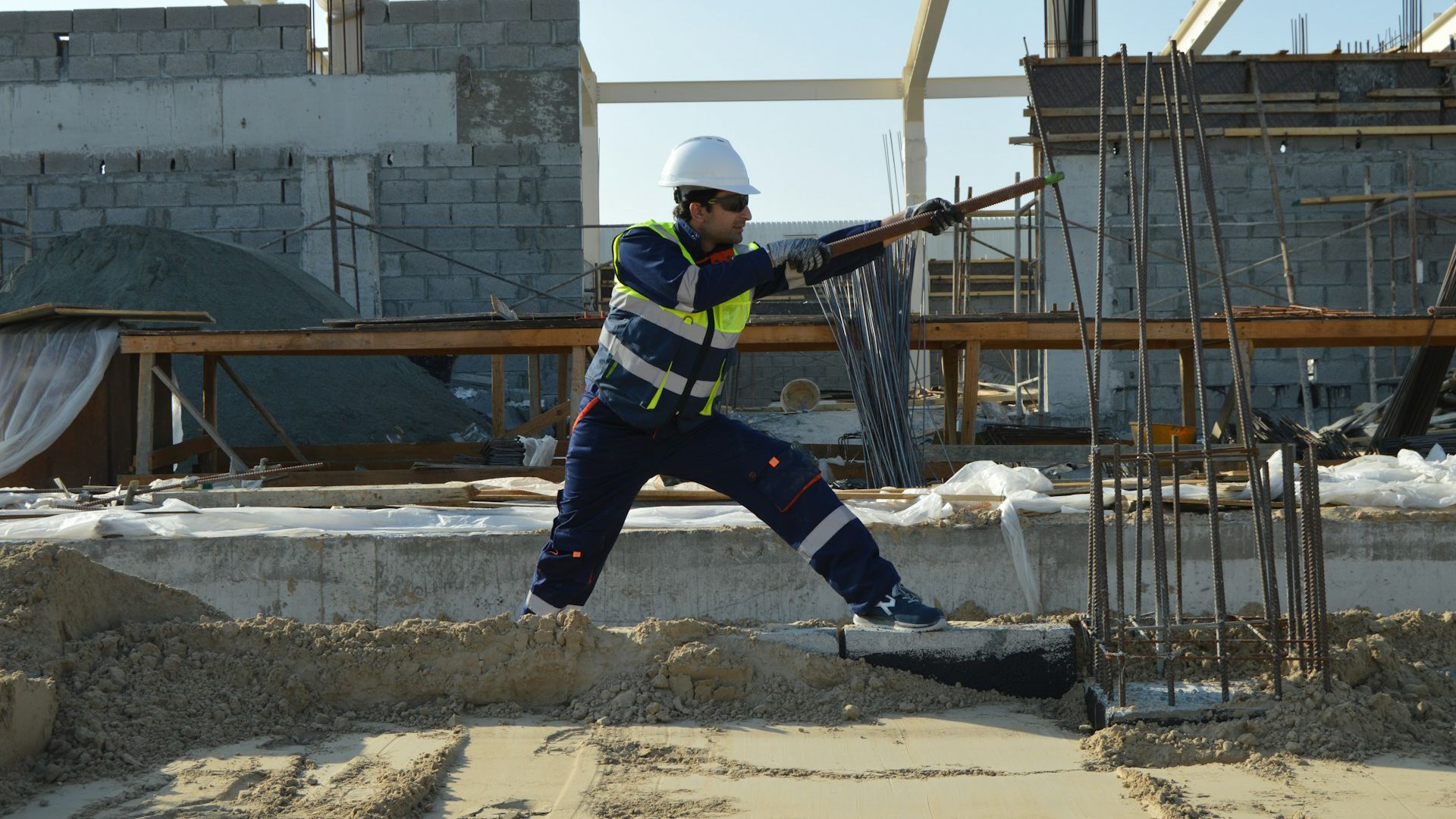
Back injuries are an all-too-common affliction in construction, often sidelining workers and impacting project timelines. From heavy lifting to awkward postures, the physical demands place undue strain on the body, making early intervention crucial to prevent chronic issues.
Addressing these problems promptly can mean the difference between a temporary setback and a career-ending condition. Workers and managers must implement practical strategies to create a healthier work environment.
WHY BACK PAIN INJURIES ARE COMMON IN CONSTRUCTION
Back injuries are a persistent issue in the construction industry due to the physically demanding nature of the work. In 2022, the Bureau of Labor Statistics reported 164,700 non-fatal work injuries in the construction sector. A significant portion of this number is related to back issues.
Construction work often involves manual handling of materials, with the CDC noting that 90% of these jobs require such tasks for approximately half of a worker’s time. This constant lifting, lowering and moving of heavy materials places significant stress on the body and back.
Approximately 1.7 billion people worldwide experience MSDs, or musculoskeletal disorders, and the CDC reports that overexertion from lifting and lowering materials is responsible for 30% of work-related MSDs. Moreover, strain from activities like pushing, pulling, catching, carrying and holding materials accounts for another 37% of work-related MSDs. While these activities are integral to daily operations on a construction site, they frequently lead to acute injuries that can develop into chronic conditions.
Age also influences the impact of these injuries. The CDC found that workers aged 35-44 have the highest claim rate for WMSDs, with 63 claims per 10,000 full–time employees. However, the severity and cost of claims are notably higher among older workers, particularly those aged 45-64. These older employees often face longer recovery times and higher medical expenses.
Additionally, the construction industry is one of the most dangerous sectors, with one-fifth of all workplace fatalities occurring in this field. Given these factors, the industry urgently needs better safety practices and early intervention strategies.
THE IMPORTANCE OF EARLY INTERVENTION
Addressing back issues early on is crucial for several reasons. Without timely action, minor back strains and discomforts can escalate into chronic conditions. Over time, chronic back pain severely impacts a worker’s quality of life and career longevity. Additionally, it can prevent MSDs from developing into more severe injuries that could necessitate long-term medical care.
While chronic back pain is a physical burden, it also has economic implications for workers and employers. Back injuries cause prolonged absences, leading to loss of income and increased medical expenses.
For employers, workers’ compensation costs and reduced productivity increases. Early intervention can mitigate these financial impacts by reducing the severity and duration of injuries. Plus, it enables workers to return to their jobs more quickly and safely.
PREVENTION STRATEGIES FOR WORKERS
Construction employees can ensure they remain in the best shape by utilizing these prevention strategies for back injuries.
Implement Proper Lifting Techniques—Laborers should always bend their knees and keep their backs straight, lifting with their legs rather than their backs. Simultaneously, it is important to position the feet shoulder-width apart. This allows for more stability and keeps the object close to the body to reduce strain.
Workers should also avoid twisting while lifting and turn their entire bodies with their feet to change directions. These tactics minimize the risk of strains and MSDs, ensuring a safer work environment.
Incorporate Self Care After Work—Self-care techniques after work shifts are essential to preventing back injuries. These include applying ice packs or heat wraps to sore muscles to reduce inflammation. Additionally, massages on the back and compression garments can alleviate tension and promote circulation. Prioritize these routines to support recovery, as they maintain long-term back health.
Exercise and Stretch—Exercising and stretching before work is vital to prepare bodies for the job’s physical demands. A short routine of stretches targeting the back, shoulders and legs can improve flexibility and reduce the risk of strains. Moreover, exercises like planks and bridges can strengthen the core and lower back and provide additional support and stability.
Take Regular Breaks and Rest Periods—Reduce muscle fatigue and strain by taking short, frequent breaks to rest and stretch. These pauses provide an opportunity to adjust posture and recover from repetitive motions. However, it is necessary to implement scheduled rest periods to maintain energy levels. Doing so minimizes the risk of accidents while preventing the development of chronic back-pain issues.
Use Protective Gear—Protective gear is key in preventing back injuries on construction sites. Workers can use back support belts and braces to maintain proper posture and provide additional support during heavy lifting.
Knee pads are also essential for reducing strain on the lower back by promoting proper kneeling. Additionally, workers should wear nonslip footwear to prevent falls and helmets or gloves to reduce the risk of other accidents.
MANAGEMENT CHANGES TO PREVENT BACK PROBLEMS
It is crucial for construction management to implement thoughtful changes on the jobsite to prevent back problems in the long run. These measures safeguard workers’ health and can enhance productivity and job satisfaction. Some strategies management can adopt include:
Implement comprehensive training—Provide teaching segments on safe lifting and proper body mechanics.
Purchase ergonomic equipment—Invest in adjustable scaffolding, mechanical lifts and ergonomically designed tools to minimize strain.
Assess health and safety—Conduct routine evaluations to find potential hazards and ensure compliance with safety protocols.
Encourage reporting—Create an environment where workers feel comfortable reporting back pain or safety concerns.
Implement break schedules—Enforce regular rest periods to prevent fatigue and reduce the risk of overexertion injuries.
Preventing back injuries through early intervention is essential for the health and safety of construction employees. Fortunately, several practices that workers and management can implement can reduce the risk and severity of chronic back issues. As the industry’s backbone, taking proactive steps to protect workers’ backs will enhance their wellbeing and prolong the success of construction projects.