D is for ‘damning.’ At least, it is in the context of the American Society of Civil Engineer’s widely cited report card on the state of American infrastructure; 2017’s D+ is the latest in a long line of similar verdicts. You have to go back to the inaugural report card in 1988 for the high watermark of C-.
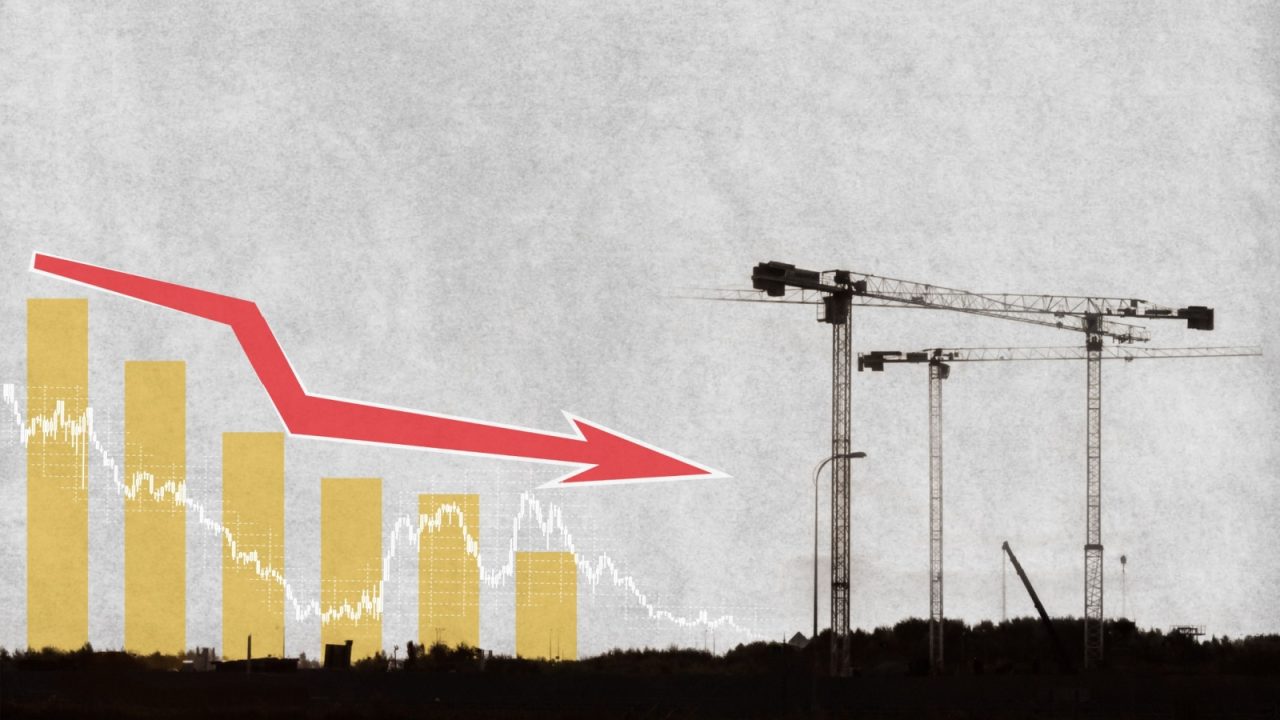
This persistent failure could cost the U.S. economy $3.9 trillion in lost GDP and 2.5 million jobs by 2025, or the loss of more than $3,400 in disposable income per family every year.
Something has to change, but it will take more than dollars and cents. The problem is, as investment has dwindled, the workforce has atrophied. Now, the United States faces a shortage of skilled labor, which places pressure on the projects needed to revitalize infrastructure and boost the economy.
State of the nation
There has been less public investment into infrastructure as successive administrations have reduced spending. Private money has been limited too; unless linked to tolls, public infrastructure typically yields a low steady income over several decades.
However, times are changing. Individual states, historically accustomed to federal dollars making up the bulk of infrastructure spending, are now stepping up to fill the gap.
This change comes just in time. Much of America’s infrastructure is showing acute signs of age and certain states are suffering from an increased incidence of natural disasters where damage overwhelms aging infrastructure.
At the same time, America is showing ambition on new infrastructure mega projects, such as those tied to the 2028 Olympics. Together, these factors will drive a lot of investment and labor demand.
Workforce worries
The good news is that, according to the Bureau of Labor Statistics, employment in heavy and civil engineering construction is increasing. Preliminary figures for Spring 2018 see total numbers hit one million for the first time since before the financial crisis, which is illustrative of a wider trend.
Yet there are two key workforce shortages that could still seriously hamper the drive to upgrade America’s infrastructure.
One is a gradual loss of senior leadership across the industry, owing to poor succession planning. The management layer immediately below the C-suite represents the crucial group of individuals that drive projects and grow companies. Many have deep and broad experience across the industry and truly understand the nuts and bolts. However, as more reach retirement age, that experience isn’t being replaced, leaving a shortfall.
This is partly driven by the second, arguably larger, workforce shortage affecting American infrastructure. Despite growing numbers overall, owing to market dips and underinvestment, the sector lacks enough people with the crucial five to 15 years of experience. To overcome this problem, the typical pattern for companies would be to tender for a large project, win it, then poach the necessary employees from the unsuccessful bidders. This isn’t ideal; it means last-minute rushes to fill talent benches and paying over the odds to tempt contractors into moves.
Now, though, it’s becoming a positively dangerous approach. The ramp-up in new projects means that even if Company A’s rivals lose out to them on one bid, they will probably win other lucrative contracts. As such, it’s much harder to lure away talent. The consequences are spiraling recruitment and relocation fees at best, failure to staff projects at worst. This could lead to anything from costly fees for delays to significant project derailment.
Actions required: immediate and long term
Labor shortages are bad news; bad for the companies involved, bad for America’s infrastructure and, as a result, bad for the economy as a whole.
What can the companies involved do to mitigate the issue?
First, rather than a ‘win it first, staff it later’ approach, firms must plan out potential talent needs and proactively build a readily mobilized workforce. It also means improving retention by engaging with current workers to ensure they see a clear path for career development without leaving the company.
This is facilitated by the second immediate action: recognize and treat human resources as the strategic function it is. Human resources is the single place in the organization where all the knowledge and data related to the workforce is pooled, but is too often siloed and decentralized. If the head office can collate knowledge, they may find a greater depth of talent across the company than they had realized.
In the long term, companies need to proactively engage the next generation of talent. Many firms are building sophisticated university outreach programs. The next step is to extend that approach into high schools, to encourage more students toward studying engineering/construction and entice non-college-bound students into a rewarding career in the sector.
America has been engineering a crisis. Rectifying the situation will take time, but more firms and projects will succeed with a more strategic, intelligent approach to workforce planning and management. By doing so, next-generation infrastructure is more likely to be built on-time and on-budget. Maybe the next report card will make for better reading.