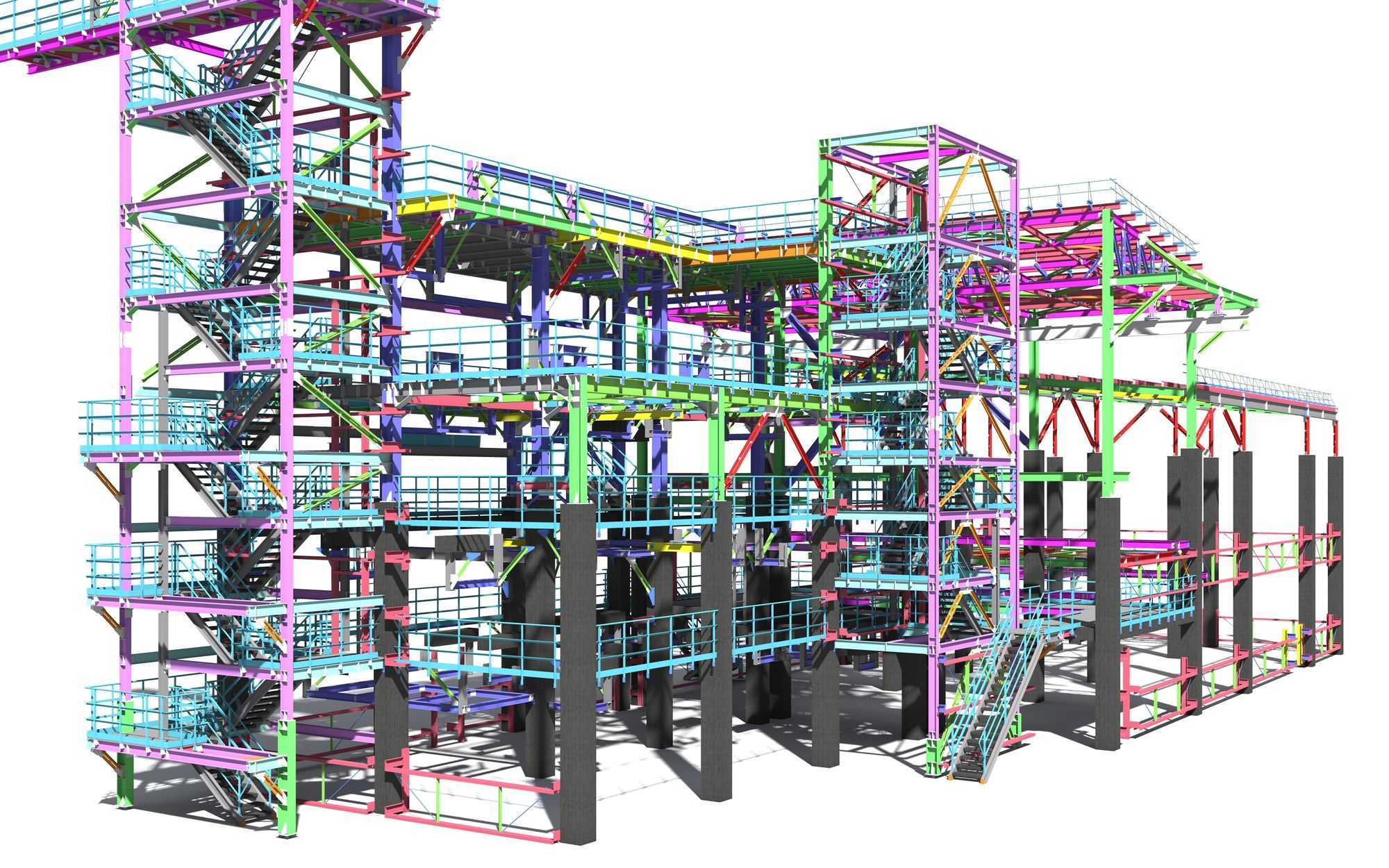
The end goal of building information modeling is to build a functional asset. Project managers facilitate this objective by putting rules and procedures in place at the start for setting up the BIM environment in such a way that all parties may equally benefit. The result is an accurate model ‘built’ the way it will be constructed in the future.
Setting aside other key components, the purpose of BIM, from a designer’s perspective, is to create a model for drawing production. For a cost consultant, the purpose is to produce accurate estimates. How can project managers ensure the output created will have the necessary qualities to be used by all parties as expected?
BIM – the Practical Versus Theoretical
Unfortunately, the BIM effort is not equally balanced – yet. The construction process is a combination of different entities with completely different skills working together to develop a single functional and operating asset. “BIM theory” outlines that ideal is for all parties work together under the same methodology and environment for the benefit of everyone. The reality, however, is that there will always be hesitations from certain parties. BIM, in practice, is not as simple as the theory outlines because some will need to put in more effort for the benefit of others.
Understanding how to overcome the differences between theoretical and practical BIM is possible by putting in place clear scopes and management plans along with a skilled supply chain. This will help create a clear indicator of a successful BIM implementation.
Setting up for Success: Achieving Increased Productivity
Project managers should be able to differentiate between actual BIM and the marketing side of BIM that’s usually promoted by consultants and contractors. It’s important to work with clients to set up clear expectations from the beginning in order to achieve the increase in productivity desired later on.
Project managers’ job is to always look after their clients’ interests. They spend a great deal of time educating clients (and sometimes consultants) on how to properly organize a project. There are endless BIM uses that could be implemented, but it’s up to the PMs to make the call on which will be the most beneficial. Advise clients on best practices as early on in the process as possible—before the project starts—and put in place plans to track and achieve the goals set.
For example, a common subject in BIM conversations is the Asset Information Model. These models can be extremely useful for clients as they can provide a true representation of a constructed asset at the end of the construction stage. Before advising a client, however, there are several questions the project manager should ask himself or herself first:
- What kind of asset it is?
- How does the client operate their assets?
- Do they have an internal facilities management team or do they use an outsourced vendor?
- What are the minimum requirements necessary for the operations and maintenance stage?
- Does the client have any existing systems in place to operate the asset?
- How skilled is the client’s operations team?
Assess all opportunities and risks as they relate to the above questions. A plan can then be put in place that aligns with the client’s skills and willingness to handle a large amount of data.
Embracing a BIM Environment
Things do become more complicated when BIM is utilized. It requires more skilled people, knowledge in specific software, and to be more process driven. While there isn’t an easy way to do complex things, there are now more user-friendly tools available to support project teams embracing digital.
From a systems tool perspective, it’s paramount that a system is intuitive. Extremely good systems fail simply because the user interface was not very user friendly. Simple systems, on the other hand, succeed because they are easy to use and much more user friendly, even if the features and capabilities are less. At the end of the day, users will dictate what’s good and what’s not.
When it comes to BIM in construction, project managers still have a long way to go. Other industries have employed the methodology for some time—and have experienced the rewards of working in the BIM environment firsthand. With BIM, many things are possible. For project managers, it can be an integral part of their working streams to improve the project life cycle process while opening up new doors for innovation.