Acquiring the big iron needed to dig earth, move materials and build structures—and keeping it operational—isn’t cheap. Equipment typically represents a construction company’s largest capital outlay. In today’s hyper-competitive environment, fleet managers are increasingly charged with containing equipment costs and even generating a return on investment. It’s no small feat.
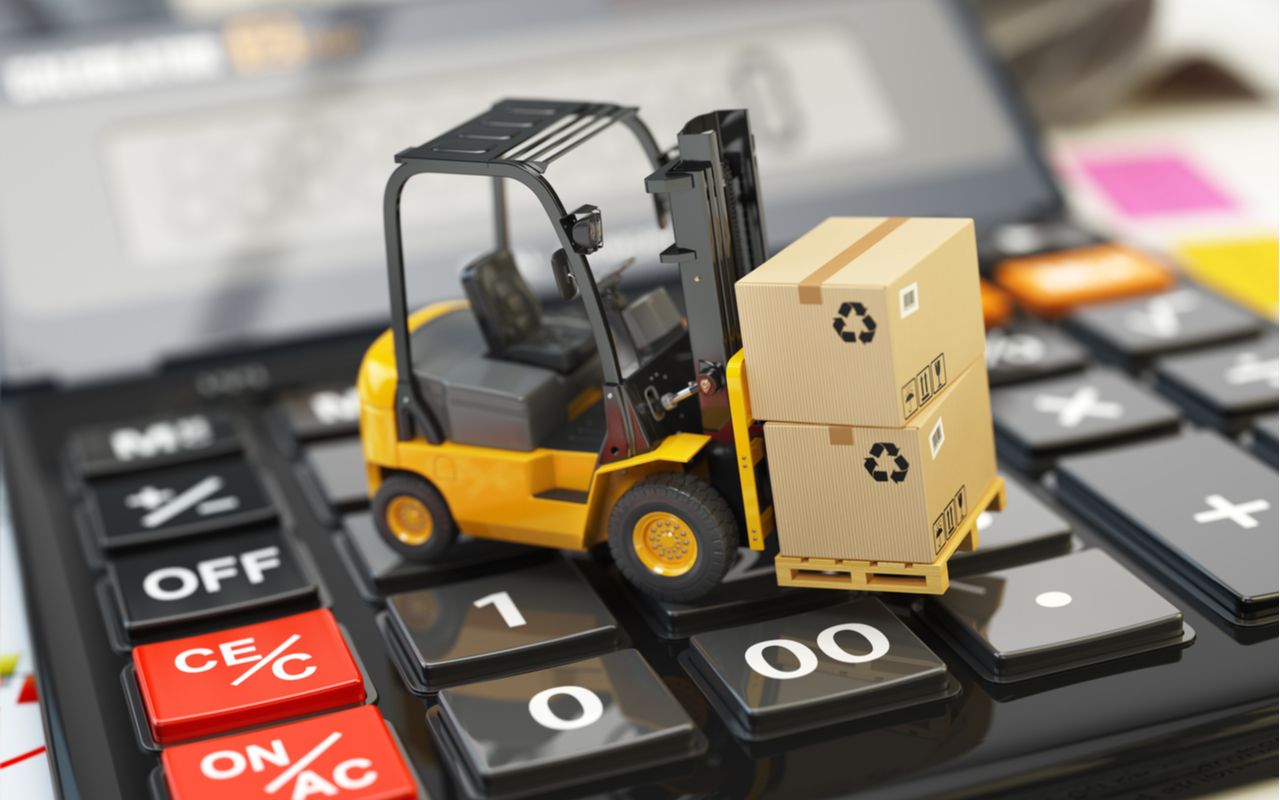
Knowing the total cost of ownership (TCO) for each asset or asset class is critical to making strategic, data-driven fleet decisions that impact the bottom line. Those decisions include which brand to purchase, whether to purchase new or used, when to dispose of an asset for maximum ROI and when to rent instead of own.
Fleet managers may assume that owning makes more financial sense than renting, but in many cases, those assumptions could be misguided. Visibility into TCO can pay off by helping companies see, quantitatively, when renting is the smarter decision. TCO can show how much money they could save by avoiding the capital expenditure of an equipment purchase as well as the costs of ongoing maintenance, transportation and storage. Of course, money that is subtracted from the capital expenditure budget can be invested elsewhere.
Understanding TCO is the first step in lowering it. But TCO isn’t always an easy number to calculate, in large part because it includes maintenance and operation costs. Since those costs vary with use and operating environment, they are different for each company. Knowing the true costs for a company requires historical data—preferably at least six to nine months’ worth. Without that data, a contractor is doing guesswork rather than math.
Cloud-based fleet management software, used in conjunction with equipment telematics, is essential to having the numbers to crunch. Most modern fleet management solutions allow a company to view the costs associated with owning, operating and maintaining a specific asset.
To calculate TCO, begin by adding up:
- The purchase price, including taxes;
- The cost of insurance and extended warranties;
- The cost of transporting the equipment from jobsite to jobsite;
- Maintenance and repair costs, including parts, supplies and labor;
- Fuel and oil costs;
- Storage costs;
- Interest on financing; and
- Depreciation.
For ongoing costs such as insurance, maintenance and fuel, a contractor needs to estimate how many years it plans to own the asset, then multiply the projected annual costs by that number.
Subtract any revenue expected from the sale of the unit at the end of its planned life cycle to arrive at the TCO. To annualize the TCO, a company needs to divide the TCO amount by the number of years it plans to own the equipment. (TCO, once a company knows it, can be used to refine life cycle planning.)
Of course, annual TCO is not static. The expense of depreciation slows over time; meanwhile, maintenance and repair costs change with usage hours and operating conditions and increase as a machine ages. For calculating maintenance costs, a preventive maintenance plan, administered through fleet management software, is critical. Contractors can use fleet management software to generate regular reports that reveal the cost curve for owning and operating the equipment to help pinpoint the best time to dispose of it.
Understanding whether a piece of equipment is profitable requires a second input, beyond TCO, and that is utilization. Fleet management software can provide visibility into utilization of each asset or asset type. Higher utilization means a lower cost per hour of use; the more a machine is used, the more profit it’s generating. On the flip side, underutilized assets may be good candidates for rental. While there are no hard and fast rules, it may be smart to assess units with a utilization of less than 50% as rental candidates since they spend much of the time idle (and meanwhile depreciate in value).
To make a buy versus rent comparison, look at the annualized TCO compared to the cost of renting the same unit for the number of days or weeks per year the equipment is used. Don’t look only at hours of usage per year; even if a company uses an asset for a meager number of hours per year, if the equipment is used almost daily, it’s essential and should probably be owned.
TCO isn’t just a number, it’s an important piece of data that can unlock value. Taken together, TCO and utilization are essential to developing a comprehensive fleet strategy, one that can help a contractor achieve annual budget goals and lower fleet costs by making smarter decisions around what equipment to purchase, when to sell assets and when to rent instead of own. In addition, seeking expert advice on servicing, maintaining and operating equipment is always best practice.