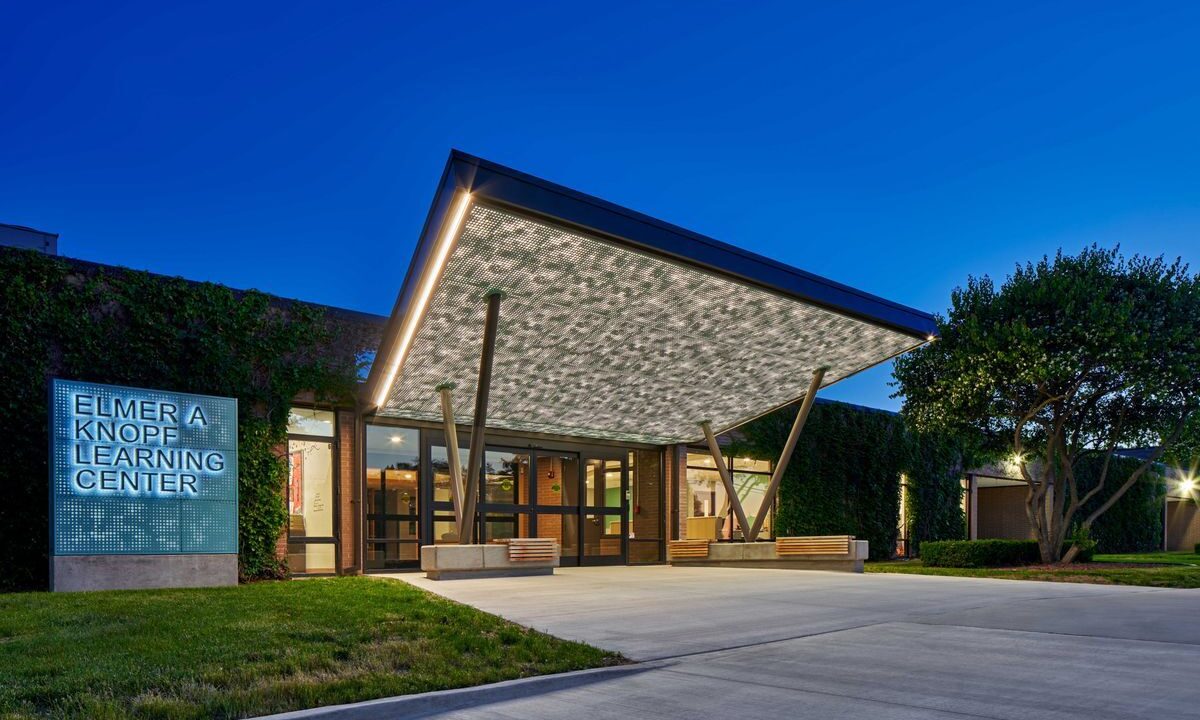
For builders looking for a modern, durable solution outside of traditional building materials, tensile architecture has become increasingly popular due to its adaptable nature and versatility for potential uses. This new building technology is a combination of lightweight construction and structural strength that not only simplifies the construction process, but also minimizes environmental impact. Taking the appropriate steps to evaluate the environment in which this project will exist, working within local safety codes and seamlessly collaborating with all professionals involved will result in a successful project that positively contributes to the surrounding community.
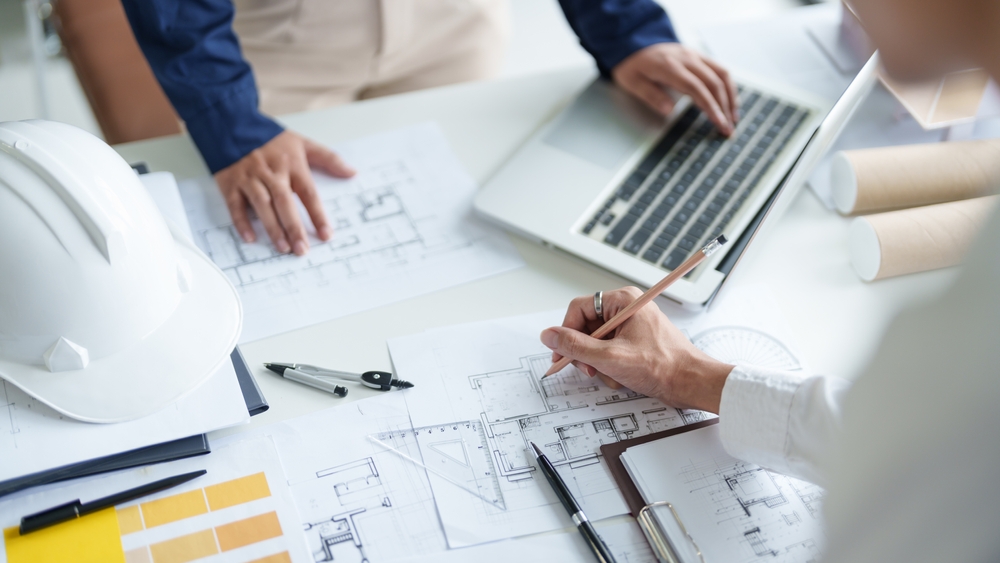
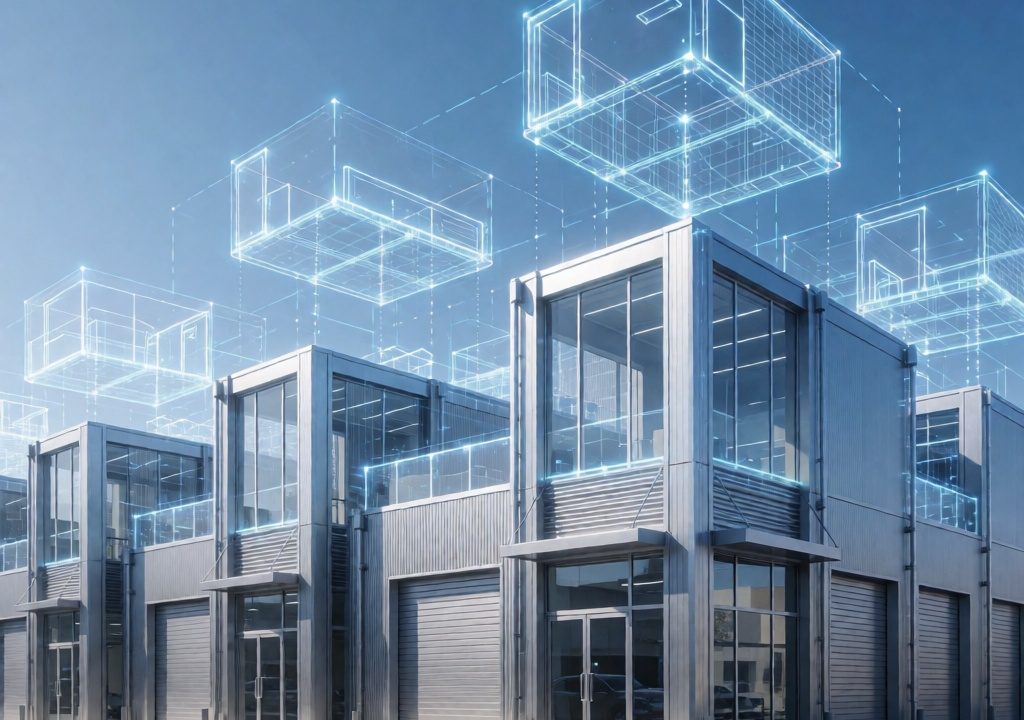
One of the key benefits of tensile architecture is its ability to integrate form and function. While essential to strike a balance between aesthetics and functional requirements, a visually striking structure should also meet the practical needs of the space it covers. Collaboration between architects, structural engineers and other specialists is essential to navigate the technical intricacies and bring forth enduring tensile structures. Skilled architects and planners will also consider how their project integrates with its surroundings. Thoughtfully designed tensile structures will complement the architectural context of their surroundings, taking into consideration how end users will interact with the structure. Due to the flexibility of tensile architecture, the intended use of the project may have various opportunities for use by the community. With this in mind, installers are able to explore opportunities for integrating smart technologies into the design, which could include sensors for environmental monitoring, automated shading systems or even dynamic lighting solutions. These additional features expand the possibilities of the structure, allowing for multiple uses and making a bigger impact on the people who will regularly come in contact with the finished project.
SAFETY AND ENVIRONMENTAL CONSIDERATIONS
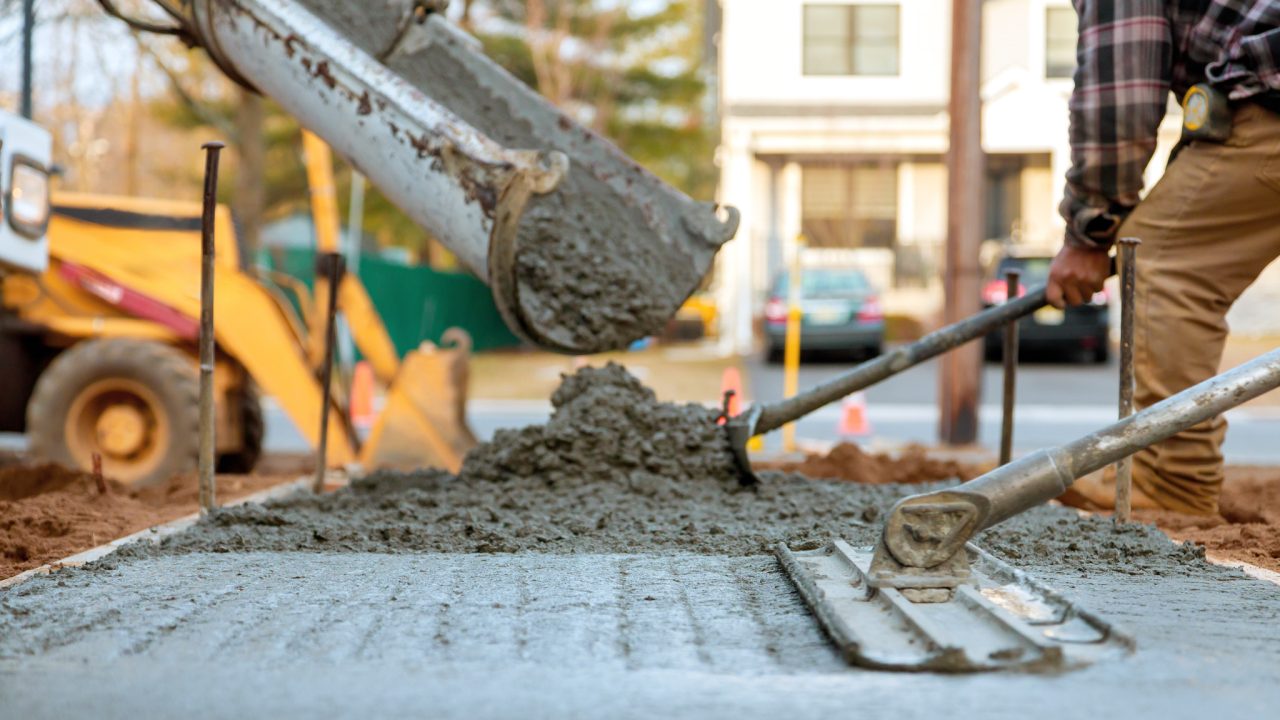
Understanding the projected environment surrounding the project will equip installers with vital information regarding material choice. Current advancements allow for a wide variety of membranes, cables and tension systems, which should be chosen based on their mechanical properties, durability and aesthetic characteristics, all corresponding to the specifications of the project parameters. They should also consider factors like translucency, color options and resistance to environmental degradation. Understanding the tensile strength, stiffness and corrosion resistance of these materials is vital for selecting the appropriate type and diameter. To meet durability requirements, select materials that withstand environmental conditions over time. UV resistance, corrosion resistance and resistance to wear and tear are crucial for ensuring the longevity of the tensile structure.
Another consideration that must be addressed during the project planning phase is code compliance and safety. Ensure that the design meets safety standards, fire codes and structural requirements by consulting with local authorities and experts. This phase may also include geotechnical studies to understand soil conditions and comprehensive climate assessments to anticipate any challenges from weather conditions. Different membranes will suit different regions and weather conditions, therefore it’s important to determine whether the selected material will withstand UV exposure, wind, rain, snow, as well as everyday wear. While tensile architecture provides an extremely durable solution, choosing the right material will maximize this quality. Planning for future maintenance and repairs will also extend the project’s longevity, lessening the chance of structural issues that could pose a risk.
IMPORTANCE OF COLLABORATION
During the installation process, the architecture, engineering and construction firms must closely collaborate to ensure the project is successfully and safely executed. Regular communication and coordination will aid in an installation that aligns with the design intent and engineering specifications. For quality-control purposes, it’s recommended to implement a system for continuous monitoring during installation. Regular checks on tension levels, alignment and other critical factors help identify and address issues promptly. Continuously conducting load testing to validate the structure’s performance under anticipated conditions is also a must. This includes testing the structure’s response to wind loads, snow loads and other environmental factors. Additionally, teams that take safety seriously will conduct regular training sessions for all personnel involved as well as strictly adhere to all safety regulations. Ultimately, safely working together to efficiently install the various components of the structure will yield a more sound and longer-lasting project that will require fewer repairs outside of the mandated inspections.
Conducting a thorough inspection after installation is complete will include visual inspections, structural assessments and performance evaluations under varying conditions. Identifying any defects or issues during the final inspection—and promptly rectifying them—is valuable for addressing potential problems early on, preventing long-term damage and ensuring the structure meets design specifications. Understanding that proactive maintenance enhances the longevity of the structure, architectural teams should provide training for maintenance personnel after installation to ensure they have the necessary skills to conduct routine inspections and address minor issues.
Tensile architecture stands as a testament to the evolution of design in the architectural landscape. Analyzing the project’s intended end user, exact installation specifications and complying with industry norms will provide architects and designers with the necessary tools and information needed to utilize the capabilities of tensile structures. By embracing the technical intricacies of this innovative method, experts can push the limits of modern construction, crafting visually stunning structures that will endure for several seasons.