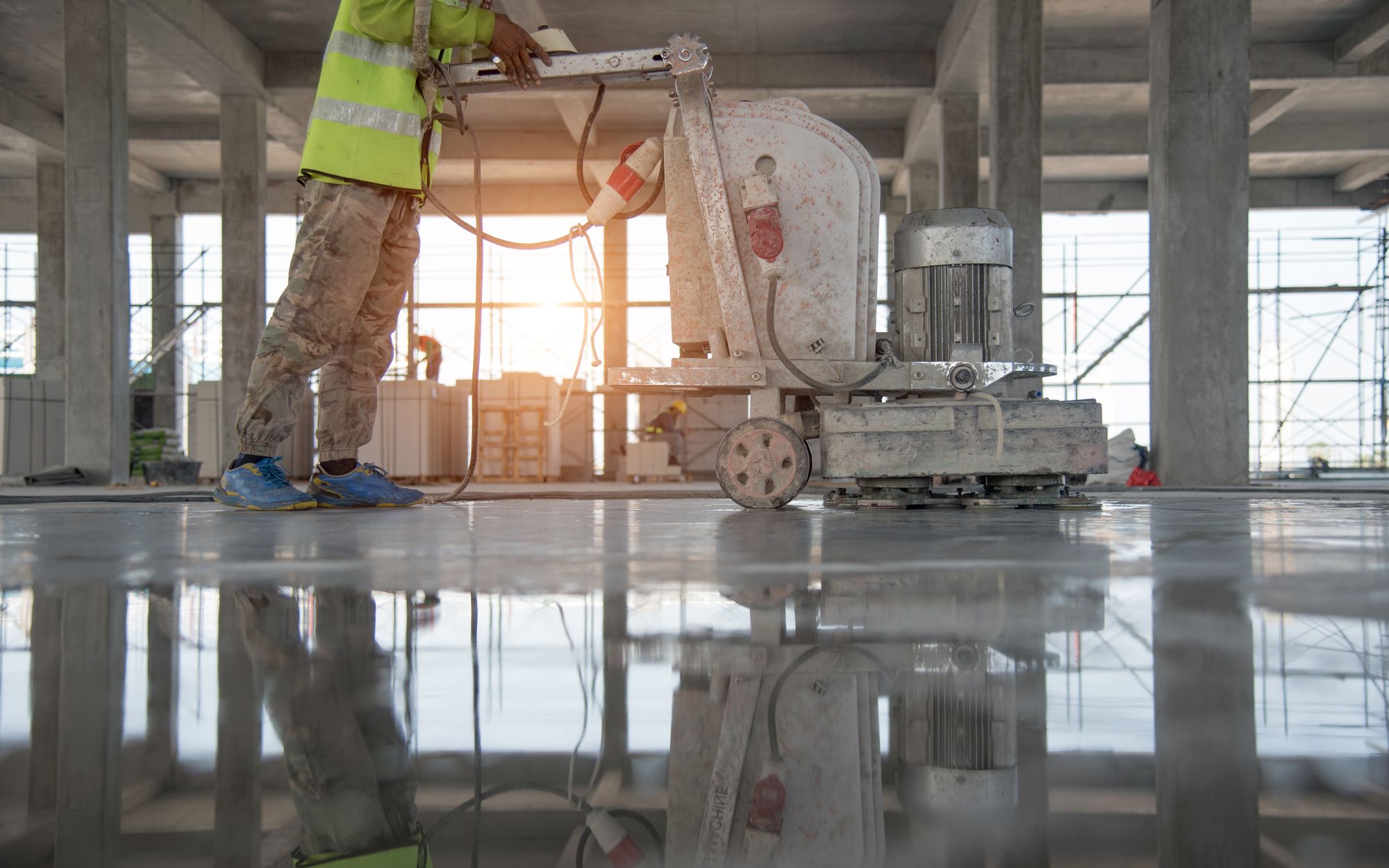
Proper surface preparation is essential for a flooring renovation project to be successful in the long term. Construction workers often think that once the existing coating has been removed, the new covering can be applied—but there must be an intermediate stage. Uneven floors, peeling, bubbling and cracks in floor coverings are signs that the surface was not prepared correctly before the new coating was installed.
There are certain facts that surface preparation contractors must be aware of during this intermediate stage to ensure their work is of high quality.
Keep facilities managers happy
The renovation of an industrial facility such as a manufacturing plant, chemical processing plant or warehouse involves input from many people, including architects, surface preparation contractors and facilities managers. All these people must communicate effectively to manage each other’s expectations and ensure the job is completed to a high standard.
The surface preparation contractor must provide the facilities manager with a timeline of their work. The facilities manager will use this timeline to plan how the facility will operate while the work is taking place. Bear in mind that deviations from the agreed timeline could force a facility into unplanned downtime, which can have highly damaging consequences for the company.
Industrial environments, as well as some commercial facilities such as laboratories, kitchens and leisure facilities, have expensive equipment that cannot be moved out of the room while surface preparation is underway. The best way to approach this situation is to first move all the obstacles possible. The remaining equipment can then be covered up to prevent damage during renovation.
Choose the right product
Floors in other commercial buildings, such as shops, restaurants and schools, pose an additional challenge—they must be aesthetically appealing to customers. Contractors must be aware of how proper surface preparation can impact the appearance and lifespan of floor coverings.
For example, a popular, low-cost flooring choice for kitchens is vinyl, which tends to stick to uneven surfaces and rip. Thorough grinding or shot blasting ensures vinyl flooring lasts longer.
Other popular flooring choices include high build epoxy with a non-skid factor; for kitchens on display to the public, tile may be a more aesthetically pleasing choice. Different floor coverings require different surface preparation, so it is important to understand the specific requirements of every flooring project.
Choose the right equipment
Polished surfaces are very popular in commercial buildings because they are durable, easy to clean and pleasing to the eye. Like with all surface preparation jobs, it’s essential that the most appropriate tooling and machinery is used to polish a concrete floor.
Preparing polished concrete floors involves multiple stages of using grinding and polishing pads. Contractors should start with the coarsest grit diamond sequence. Each successive diamond grit sequence should then be smoother than the last to remove the scratch pattern from the previous grit. This process ensures that the end result is a beautifully polished surface that does not show the scratch marks from the diamonds.
Contractors must also pay attention to the ability of machines to collect dust. All surface preparation jobs result in the production of silica dust, which increases the risk of damaging equipment that has remained in the facility during preparation. Silica dust can also cause serious respiratory health problems for anybody that is exposed to it. An important part of dust collection is pairing the chosen machine with the corresponding dust collector.
Another important consideration when choosing which machines to use is the scale of the job. Commercial spaces generally have a larger floor span and require larger equipment to efficiently complete the work. However, contractors should not assume that large spaces only require large equipment. Ease of accessibility, power sources and tight spaces can also determine the machines that contractors use during preparation.
For the difficult-to-reach areas, such as under built-in cabinets, handheld tools may be necessary. This should be assessed early on as they can be time consuming to use, particularly if there is a thick mil floor to remove.
The challenges facing surface preparation contractors depend largely on the types of site they work on. However, regardless of the site, transparency with facilities managers, awareness of the desired appearance of the floor and wise equipment choice will help surface preparation contractors to face challenges in their day-to-day work.