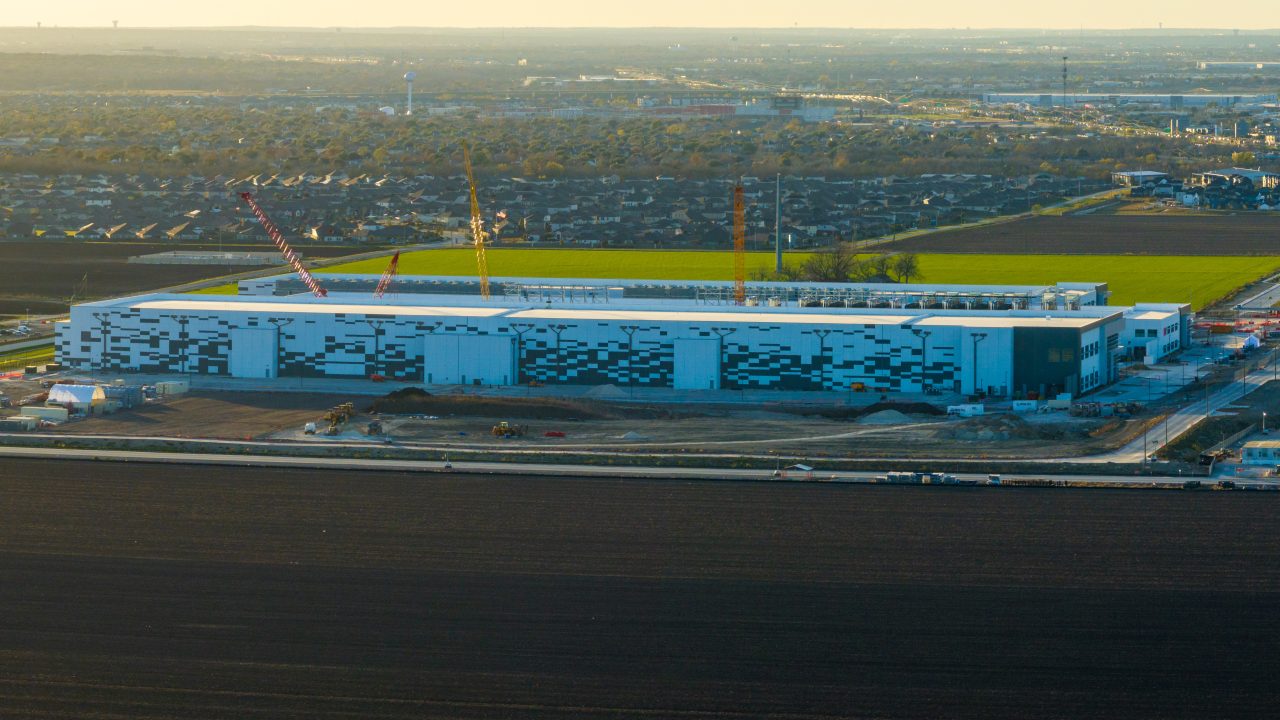
It is not uncommon for changes, defective designs, excessive weather conditions, unanswered RFI’s, unforeseen site conditions or acts of God to delay a job. To be prepared for a delay claim, prepare from the beginning of a project.
Consider the following tips before (and throughout) the project to help collect on a delay claim.
Prepare from the beginning: The Contract
Consider which types of delays are common. Are they owner- or contractor-caused delays? Negotiate and contractually allocate common owner-caused delays as specifically listed compensable delays in the contract. If possible, negotiate for delays which are more traditionally contractor-caused delays to be specifically listed as excusable delays. Having clear expectations (and protections) from the beginning will assist in setting clear expectations regarding responsibility and could assist in recovering on a delay claim.
Establish and Incorporate the Critical Path
Analysis of a delay claim involves comparing the original as-planned critical path to the current as-built critical path. As such, it is important to establish the critical path at the beginning of the project and to incorporate it into the contract. This establishes a clear baseline for the contractor to rely upon when presenting a delay claim to the owner.
Regularly Update the Critical Path
Even with the best estimators, it is not uncommon for projects to be off schedule. Regularly update the critical path as a result of any changes to the project’s schedule. These critical path updates are valuable for a number of reasons, including:
- they may highlight the evolution of the project over time;
- they keep all parties informed as to project’s progress;
- they may help pinpoint specific delays; and
- they may help establish that the project was on schedule before a specific delay and off schedule after a specific delay, etc.
All of this information may be helpful in assisting the contractor in establishing a delay claim.
Immediately Notify the Owner of Delays
Notify the owner of delays as required under the contract and in statute to ensure the company is protecting (or not inadvertently waiving) its right to bring a delay claim. Attach any updated critical path schedule or documentation of the delay to the notices. This contemporaneous project-related correspondence and documentation may be able to assist in proving the delay claim if it has to proceed to litigation. Alternatively, clear and well-organized documentation of the delay may convince the owner to sign a change order which saves the contractor from the time and financial impact of what is often costly litigation.
Keep Documentation to Prove Damages
Contractors need to be able to show the financial impact of an owner’s delay, making documenting damages critical to the delay claim. While it is not possible to make a case-specific list of documents, examples of documentation that should be kept include:
- baseline schedules (and updates);
- correspondence with the owner/ owner’s representatives;
- meeting minutes;
- internal correspondence with the home office;
- change orders;
- RFI’s;
- daily logs;
- transmittals;
- record of payments;
- payment records;
- permit records; and
- relevant photos/videos of the project.
Contractors should also keep documentation confirming the financial impact of their:
- extended general conditions costs;
- home office overhead;
- equipment (for both rented and owned equipment); and
- increased prices for labor or materials that result from the delay, lost productivity, lost profits, interest on the claim and any attorney’s fees involved in prosecuting the delay claim.