Excavators are essential tools for projects like demolition, dredging and mining. They can increase efficiency by speeding up the process of earthmoving or digging to make it more cost-effective in terms of time and money.
If contractors are starting any type of digging project, chances are they’ll require an excavator to complete the job.
Before hiring an excavation contractor, here’s what every foreperson should know.
There are different excavator sizes and attachments for different purposes
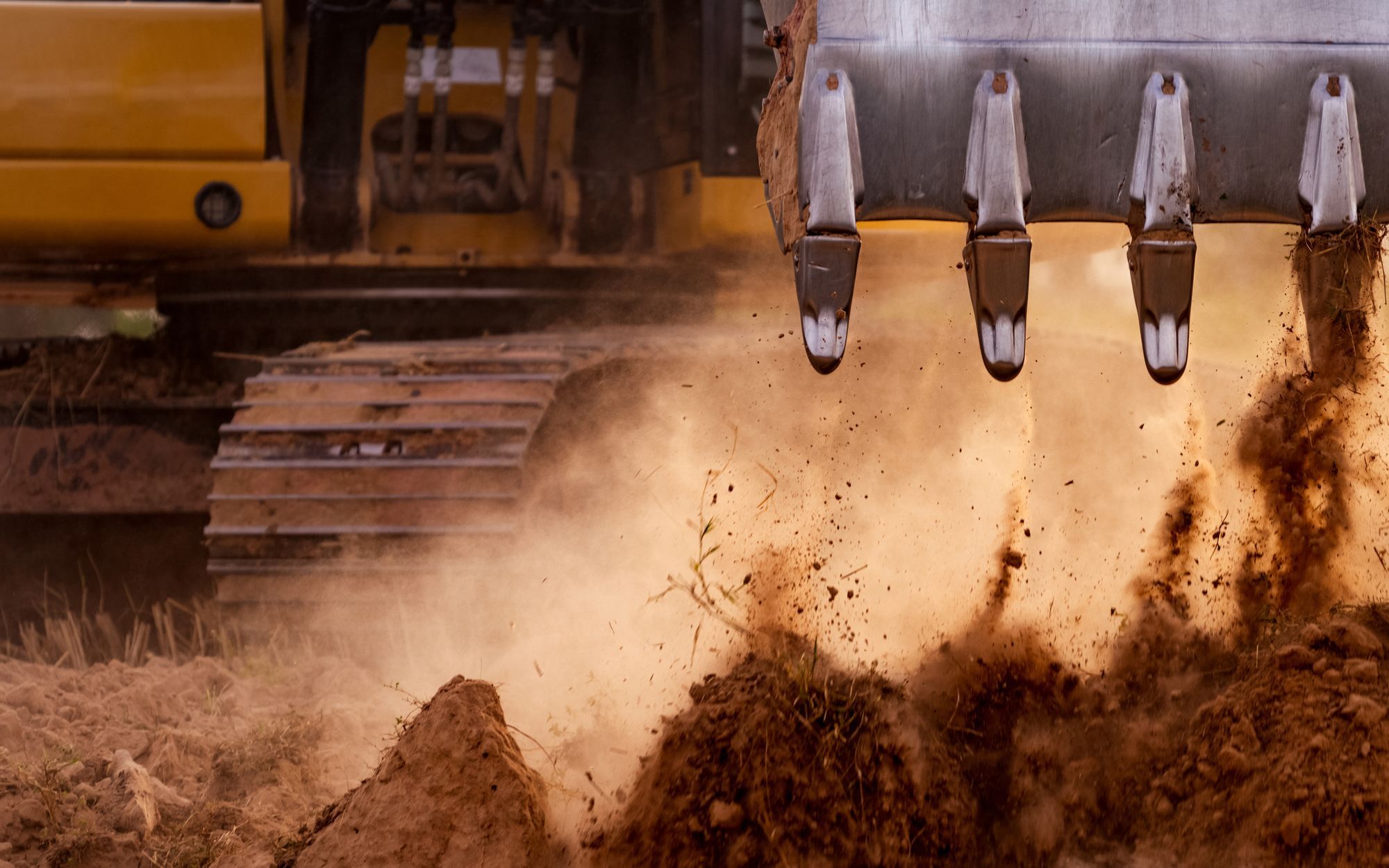
The basic anatomy of an excavator consists of a bucket, boom and stick connected to a cab that sits on top of a 360-degree rotating house.
Excavators with wheels are most often used to complete urban projects that require pavement and road travel. Excavators with tracks, on the other hand, are used for all other projects.
In the end, whether contractors need an excavator with tracks or wheels will depend on what the project requires and its geographic location. These factors, as well as the size and attachments needed, will be crucial to determine prior to beginning the quest for an excavation contractor.
These incredible machines come with various attachments (such as augers, rippers, drills or rakes) and can weigh up to 180,000 pounds. Getting the right size for the project is vital. Contractors should never attempt to make the same piece of equipment fit for different jobs. If contractors are unsure which size is right for the project, they should reach out to a professional.
There’s more than one style of excavator
There are two main categories of excavators: cable and hydraulic. The difference between the two boils down to the individual parts and how they operate.
Cable excavators are basically the original hydraulic excavators. These days, they’re only used in the mining industry because they’re fairly outdated and require a series of steel wires and cables to operate the main parts.
Hydraulic excavators use levers to maneuver hydraulic fluid, moving the cylinders that control the excavator’s boom and bucket. These types of excavators are typically used alongside bulldozers and loaders that transport minerals.
Amphibious excavators are a type of hydraulic excavator specially made for work in swampy areas and wetlands.