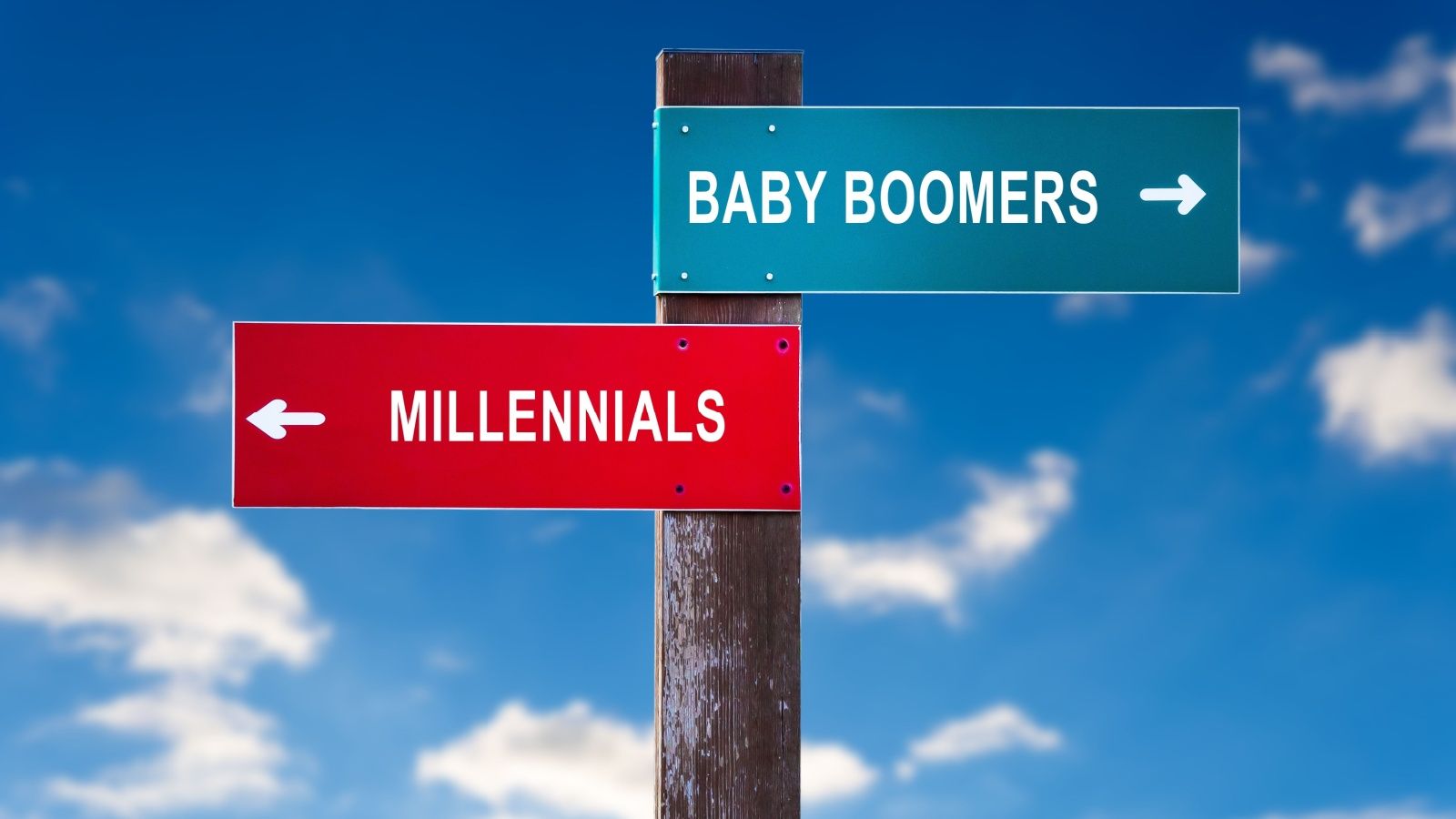
In 2024, as many as five generations could be working together. Defined by Pew Research Center, these are the Silent Generation (born before 1945), the Baby Boomers (1946 to 1964), Generation X (1965 to 1980), Millennials (1981 to 1996), and Generation Z (born after 1997). While some may feel uncertain about these groups working together, Boston Consulting Group’s research found that companies with above-average diversity on management teams experience a 9% increase in revenue and a 19% increase in innovation.
So, what are three things construction companies should be aware of when working with a multigenerational workforce?
COMMUNICATION STYLES/PREFERENCES
It is important to recognize that each generation has a different preference or style for communicating, and knowing these differences can be the key to building effective workplace interactions. For instance, Baby Boomers and Gen Xers often appreciate direct, face-to-face conversations, while Millennials and Gen Z may be more comfortable with digital conversations via email or direct messaging platforms.
To create an inclusive workplace that allows for real communication, tailoring your regular check-ins to generational preferences can enhance connection and productivity on the jobsite. While Millennials might prefer more frequent, informal touchpoints, like quick huddles or digital updates, Gen X might appreciate scheduled, agenda-driven meetings, particularly for project planning and progress reviews.
WORKPLACE VALUES AND MOTIVATIONS
Generational values can differ significantly, and understanding these differences while also finding commonalities is crucial in the construction industry. While Baby Boomers may place a high value on loyalty, job security and the tangible results of their labor, Millennials and Gen Z are often motivated by opportunities for growth, work-life balance, and alignment with the company’s sustainability and safety values. In this case, having common goals is vital to everyone being on the same page.
By rallying around these goals and recognizing what motivates each generation, you can better understand how to drive their work to be successful.
For example, Baby Boomers might be motivated by recognition of their experience, craftsmanship and contributions to long-term projects, while Gen Xers may seek autonomy, leadership opportunities and the chance to manage large-scale projects.
Millennials might value flexibility, purpose-driven work and the opportunity to work on innovative projects that impact communities. Gen Z often seeks continuous learning, skill development, and involvement in cutting-edge technology or sustainable building practices. These can all be incorporated into your company culture and communication.
COLLABORATION AND TEAM DYNAMICS
Generational diversity can greatly enhance collaboration when leveraged effectively. Baby Boomers and Gen Xers bring valuable experience, a deep understanding of construction practices and a long-term perspective to projects. In contrast, Millennials and Gen Z offer fresh ideas and are often more adept with technology, such as BIM, drones and project-management software. Encouraging cross-generational collaboration can lead to innovative solutions, improved safety practices and a stronger, more cohesive team dynamic.
The key is understanding and leveraging the strengths of each generation. Gen Xers often excel in independent work and strategic thinking, while Millennials might thrive in collaborative and team-based environments. Gen Zers are typically more comfortable with digital tools and have a knack for problem-solving in fast-paced scenarios. By finding ways to meet each generation where they are most comfortable, you can strategically drive project success.
It is also crucial to address conflicts that may arise from generational differences, which can occur due to differing work ethics, communication styles or expectations. Encouraging open dialog and fostering mutual respect can help bridge these gaps and ensure that conflicts are resolved constructively and quickly. One way to do that is through a mentoring program pairing experienced leaders with emerging talent to provide guidance, support and career development, fostering a culture of continuous learning and leadership growth across the organization.
A recent LiveCareer study found nine out of 10 respondents–89%—considered generational diversity in the workplace as something positive. What it all comes down to is that it is essential that construction leaders connect with each individual based on their unique needs and preferences, rather than relying solely on generational generalizations and stereotypes.
The time to address generational differences is now. Through awareness, understanding and action, companies have the opportunity to embrace commonalities and differences, allowing everyone to thrive. By engaging with your generationally diverse workforce and appreciating the value of each person’s unique strengths and preferences, you create a stronger environment for your workplace and dramatically increase your chances of success as a team.
SEE ALSO: WHAT IS THE VALUE OF CROSS-GENERATIONAL MENTORSHIP AND CAN IT BE DONE REMOTELY?