Transporting construction machinery can be a logistical nightmare, particularly if a construction company can’t find a reliable, professional and experienced contractor who can help move their equipment on time and on budget.
That’s why commercial and industrial construction business owners and other professionals must be aware of the basic best practices of transporting construction machinery—and finding a reputable construction equipment transportation partner with whom they can work.
This article will explore just a few of the things that are essential to know before attempting to hire a third-party contractor to transport expensive and mission-critical construction equipment.
1. Consider The Weight And If the Equipment Can Be Moved Without A Third Party
Often, contractors who have access to their own pickup trucks and trailers can haul a wide variety of light-weight construction equipment on their own. Most large, construction-grade pickup trucks can easily transport up to 15,000 pounds or more with the proper equipment. With a standard pickup truck and trailer, construction companies can transport equipment such as:
- Skid steers;
- Compact excavators;
- Compact track loaders; and
- Generators and lighting towers.
However, heavier-duty equipment should not be transported with a pickup truck and trailer. Once the combined gross vehicle weight rating exceeds 10,000 pounds, it’s more difficult to handle the process of loading and unloading. In addition, the equipment may require a special license or unique equipment, which most construction companies and contractors do not have.
Also, loads heavier than 26,000 pounds will require the driver to have both a CDL, a medical clearance certificate and meet Department of Transportation recordkeeping responsibilities. Failure to adhere to these guidelines can result in steep fines and penalties.
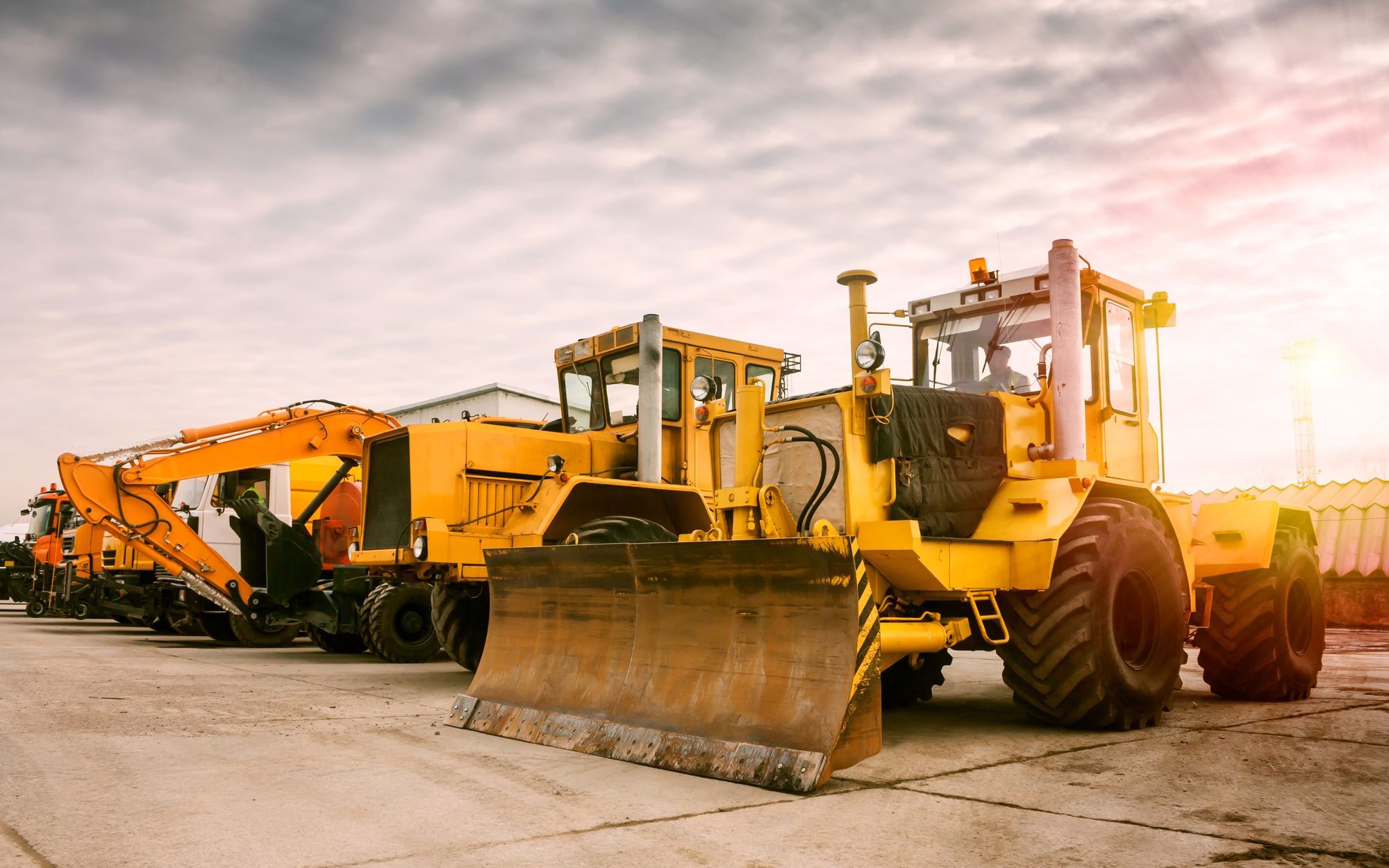
While hauling their own equipment is an option for some companies who use light-weight equipment, it won’t be an option for equipment such as cranes, large front-end loaders, bulldozers and more. For those, a third-party contractor will be needed.
2. Construction Companies Need To Hire The Right Contractors
Anyone who runs a construction company may be tempted to just look around for local construction equipment transportation services and pick the contractor who gives them the lowest quote. This is not a good idea.
Construction equipment is very valuable. Not only because it is specialized and expensive, but because the right equipment is necessary to keep large-scale projects on schedule and on budget.
Working with a low-quality hauling company means equipment could be damaged or even destroyed entirely. The risk of this is low, of course, but it is still a real danger, particularly when working with companies that have not been pre-vetted or recommended by other industry professionals.
Insurance coverage means construction companies that experience loss or damage to their equipment will be compensated. But they are not guaranteed to be compensated for lost productivity, project delays and other intangible issues that occur when a critical piece of equipment, such as a crane or an earth-mover, is damaged during transportation.
It’s always a good idea to start the process of looking for a contractor by asking other industry professionals in the area for their recommendations. Construction executives looking for a transportation partner should do their research about a company and make sure that they’re partnering with a high-quality contractor. Paying a bit extra for reliable, comprehensive service is always worth it.
3. Protect Equipment Before It’s Shipped
The same guidelines for protecting equipment during transit apply whether a construction company chooses to move smaller equipment via a pickup truck or trailer, or a piece of heavy machinery must be moved a long-distance and it makes more sense to hire an outsourced company. Following as four guidelines that should always be followed.
- Check the manual. Almost all equipment manuals recommend procedures and steps that should be taken before the equipment is moved, such as draining fluids or removing batteries.
- Make sure permits are worked out beforehand. Some equipment may need special permits from the DOT or FMCSA. These details must be worked out before transport to avoid fines or penalties for illegal transportation.
- Cover vulnerable components. All loose parts and vulnerable components should be tied down and protected with plastic sheeting.
- Plan for loading and unloading logistics. Responsibility for loading and unloading depends on the outsourced shipping contractor. Construction executives and foremen should make sure that they know who is responsible for the proper loading and unloading of equipment and have the tools in place at the destination, such as a crane or loading dock, to make the process simple and fast.
Know The Basics Of Construction Equipment Hauling And Be Prepared
Any construction executive, no matter the field, should have a baseline knowledge of the construction equipment hauling and shipment process. The tips above should be informative, helpful and shed some light on this often-overlooked aspect of construction logistics.