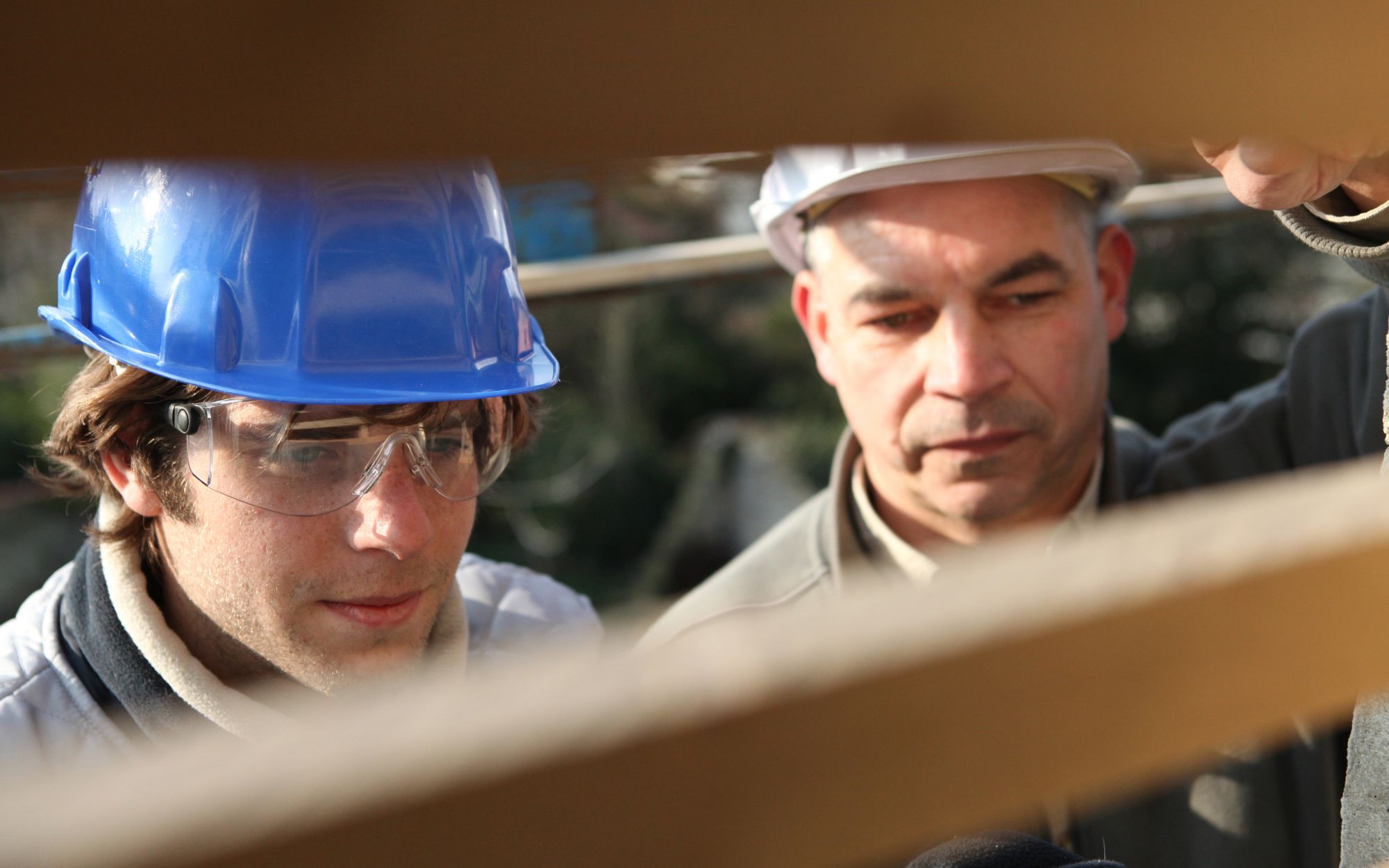
Many companies offer summer internship programs for college-level students and see a great return, but are the company and the intern getting the most out of the summer? One efficient way TDIndustries (TD) is taking a proactive step is by putting interns directly in the field—some even starting in high school. Instead of office responsibilities, interns are assigned to crews and spend their summer on the jobsite learning a trade. Below are three key benefits to having interns in the field for the intern, the company and the industry.
1. Training A Skilled Workforce
Internships can play a major part in helping solve the labor gap by placing the younger generation in the shoes of those before them. This gives interns a preview of the many available jobs in the industry and a better understanding of how strong the demand is for their services.
It also shows interns there’s far more to the construction industry than the television or mainstream media depicts. Compared to just seeing office work, placing interns on a jobsite allows the younger generations to explore and find their own skills and trades for the future. It is also profitable for the company because instead of hiring temporary workers, companies likely are training long-term hires. Nationally, the average intern-to-full-time-hire retention rate is more than 50 percent. Boosting manpower in the field immediately affects the labor gap, one intern at a time. Companies can’t expect the lack of skilled labor to be filled without providing the opportunity to learn the skill.
If TD’s high school intern program follows the national average, then TD could have licensed journeymen two to three years sooner by using interns. That’s a step worth taking to fill the labor gap of experienced employees.
2. Experience: A True Return on Investment
Looking beyond retention, some lessons and experiences can only be learned in the field. Just as an engineer building cars should have some background with motors, a future project manager or project engineer should spend some time with a crescent and level in his hands.
Starting with the basics lays a solid foundation in any trade, but is often overlooked during internships. Even the little things, such as fixing a leak on a hot water return pipe, should be background knowledge gained by future jobsite leaders. Working side by side with the experienced employees who build and fix the interior of a building for a living allows interns to gain knowledge and confidence in their abilities and problem-solving skills needed in the future. The company and the intern use this time to focus on areas required for the job.
3. Selling Company Culture Through Trust and Relationship Building
Companies that find and eventually hire new employees who have proven their ability to work, and more importantly their ability to learn, often save time and money. When the time comes to hire, the intern has built a trusting relationship and proven their work ethic and experience, all while earning a degree. It also teaches the intern just as much about the company. He or she understands the values and responsibilities that the company expects of their employees.
“Internships within the construction industry offer an opportunity for young trade professionals to not only gain knowledge and skills through on-the-job training but also immerse themselves in the culture and processes associated with a company,” said Doug Edrington, who spearheads the field internship programs at TD. “This preview into how a company operates and grows their employees is invaluable when the student returns for full-time employment. Imagine the value that is gained in knowledge as well as field relationships when a young engineer or project manager invests three months per trade versus a quick two- or three-week rotation.”
“In addition, internships offered to high school students are the most effective way to change negative paradigms and educate the younger generations on the career opportunities and daily sense of accomplishment within the construction industry.”
Every individual, no matter his or her place in the construction process, plays a part in helping the construction industry grow and adapt to challenges. From the intern to the CEO, everyone involved has the responsibly of passing the trade to the next generation. All contractors should follow TD’s lead and provide internships to keep the talent pipeline flowing while also receiving a strong return on their intern investment.