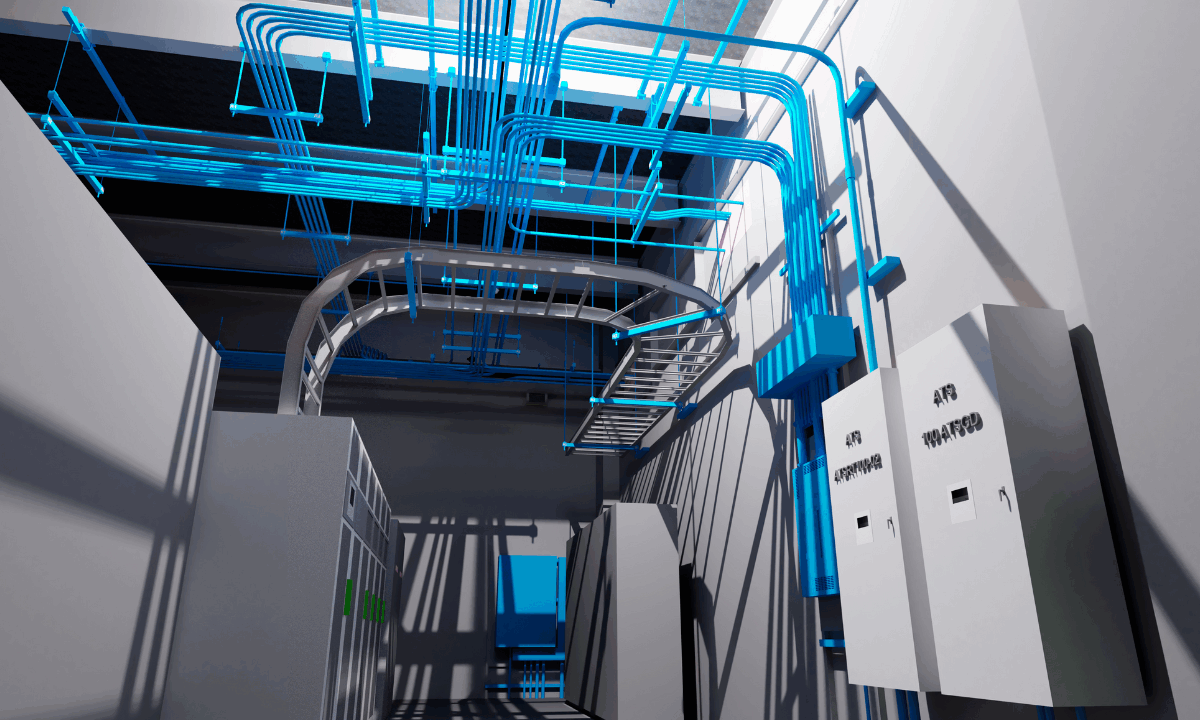
When I consider the trajectory of building information modeling technology, it’s clear that government involvement has helped fuel adoption to its status today as an industry standard. In 2011, when the U.K. required all government-funded construction projects to meet a certain level of BIM implementation by 2016, the country became one of BIM’s biggest champions and set an example for what policies could look like at scale.
With more widespread BIM legislation, the construction industry can continue to unlock both short- and long-term benefits of digitization.
Better with data: As of 2021, an estimated 41% of contractors globally use BIM for 50% or more of their projects. Among this group, a majority have experienced benefits such as increased stakeholder engagement, bid efficiency and reduced rework, benefits tied back to improved data practices such as cloud software to help collect, manage and disseminate information. This practice helps improve decision making and collaboration on a project.
Digital twins: Effective BIM processes also position construction firms well for the adoption of digital twins, which extend BIM technology further to create a “living” digital representation of an asset. This evolution toward real-time monitoring helps firms better understand and optimize their projects for profitability and performance, helping reduce the proliferation of RFIs and problems during construction and bridge handover gaps with clients.
Incentivizing U.S. digital construction: While the United States has yet to adopt national BIM legislation, it has launched other programs to help build construction’s digital future. In June, the Federal Highway Administration opened the application period for a new grant program designed to help state projects adopt digital-construction techniques, earmarking million toward projects that leverage computer modeling and 3D design.
While BIM legislation alone cannot transform construction into a digitally sophisticated industry, it can lay the groundwork for a more informed one.
The built environment of tomorrow will include tools such as 3D models, CDEs and digital twins—as long as the government appetite for better infrastructure persists.