Artificial intelligence is revolutionizing industries like construction by automating repetitive tasks and providing initial insights. Despite ongoing advancements in AI, however, the human element remains crucial in managing construction claims and disputes, as experienced advocates bring expertise and nuanced understanding to the table that is irreplaceable in getting to a preferred outcome.
While AI can enhance efficiency, it cannot independently consider—or provide critical advice and strategy on—all the factors that may come into play when navigating construction claims or managing disputes arising out of construction projects. Lawyers bring crucial skills such as knowledge of unwritten industry rules, issue spotting and extensive professional networks, which are important for effective negotiation and dispute resolution. However, AI tools can certainly complement a lawyer’s expertise, and construction professionals should utilize both AI tools and experienced legal professionals for comprehensive claims mitigation and dispute resolution.
USE OF AI IN CONSTRUCTION MANAGEMENT
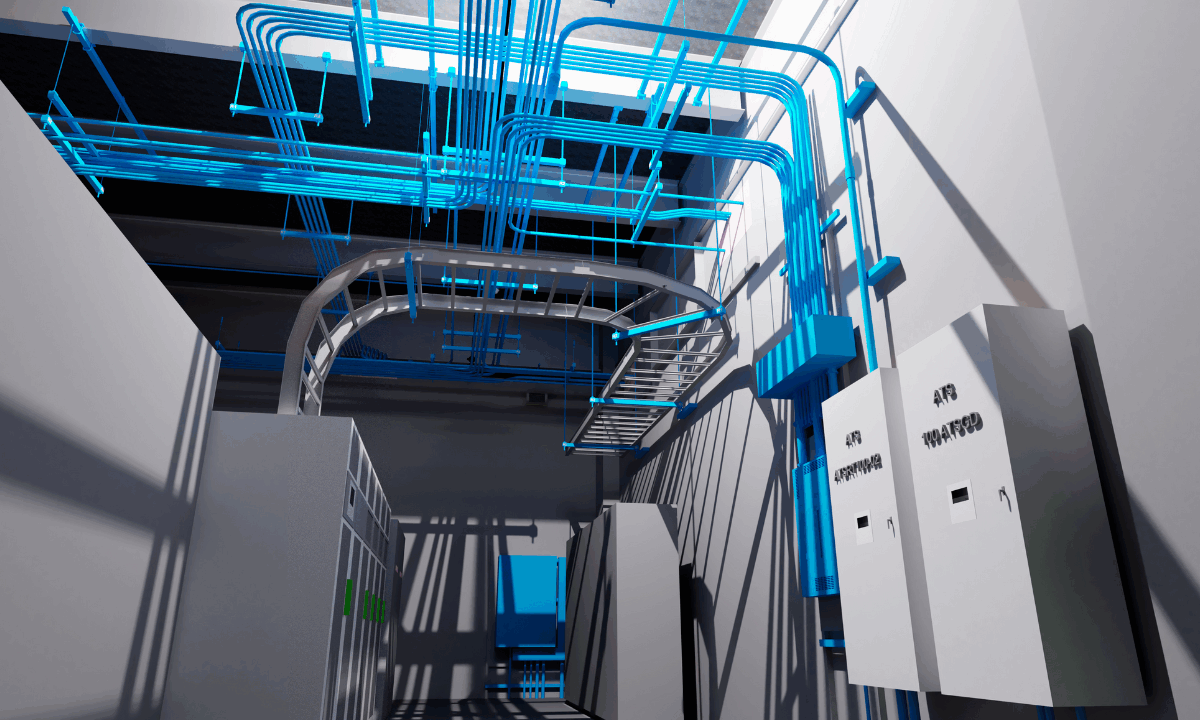
AI is enhancing construction design, planning and project-management processes. Through generative design and building information modeling, AI enables architects and engineers to explore a multitude of design options and optimize resource allocation. In project management, AI can predict project timelines, identify potential delays and suggest resource allocation, thereby reducing waste and costs. Additionally, AI-powered predictive analytics and real-time monitoring systems can enhance safety by identifying potential hazards and alerting supervisors to unsafe practices.
Moreover, AI is improving quality control, robotics and supply-chain optimization in construction. It can detect defects through image analysis, conduct automated inspections using drones and employ autonomous machinery for repetitive and dangerous tasks. AI can also optimize inventory management and logistics, ensuring timely material delivery and cost reduction. In terms of sustainability, AI provides a vehicle for maximizing energy efficiency and minimizing construction waste. Furthermore, AI-powered augmented and virtual reality systems provide immersive training experiences and facilitate better decision making by allowing stakeholders to visualize and interact with 3D models.
Although AI can assist with these and other aspects of design and project execution, including in ways that have the strong potential to reduce the sources of claims and disputes, it cannot independently manage them. The human element in pre-dispute and dispute proceedings is critical to effectively addressing claims and disputes and positioning a party for the best possible chance of achieving its preferred outcome.
ESSENTIAL ROLE OF LAWYERS IN CONSTRUCTION DISPUTES
Despite AI’s capabilities, experienced human lawyers are essential in the contract development and dispute resolution process for several reasons.
Knowledge of Unwritten Rules
Lawyers with experience in advocating and resolving construction disputes bring invaluable insights regarding unwritten rules and industry norms that AI cannot replicate. These unwritten rules encompass the nuanced practices and customary procedures that govern industry interactions and disputes proceedings but are not memorialized in legal texts. Experienced lawyers interpret and leverage the subtleties in these unspoken requirements to achieve favorable outcomes.
For instance, seasoned lawyers understand the importance of maintaining professional relationships, not only for ongoing projects but in industries where there are repeat players, and can navigate the complexities of negotiation, mediation, and even litigation and arbitration with a keen sense of diplomacy and strategic compromise. They often know which arguments resonate best with decisionmakers—especially the specialized arbitrators and adjudicators most commonly called upon to serve in this role in construction disputes—or how to present evidence in a manner that aligns with industry expectations. By drawing on their deep knowledge of industry-specific practices and the interpersonal dynamics at play, lawyers can craft compelling cases and negotiate settlements that AI, with its reliance on data—usually existing in public repositories—and formal rules, cannot match.
Issue Spotting
Human lawyers also excel at identifying potential issues in construction claims and disputes that may elude AI, which is crucial for effective legal strategy. Issue spotting involves the ability to foresee and recognize subtle, complex problems that could impact not only the basis of the claim and identification of applicable law, but also the outcome of a dispute—a skill that is based on experience, attention, intuition and a deep understanding of the law and industry practices. Construction disputes in particular can be exceptionally complex and endlessly unique, and lawyers are able to identify novel issues in a way that AI, which is limited to relying on existing historical data, cannot.
For example, in construction disputes, lawyers can detect underlying issues such as ambiguous contract terms, risky contract structures or the implications of regulatory changes that may not be immediately obvious to AI. They can also interpret the intentions and motivations of parties involved, assess the credibility of witnesses and understand the broader context of a dispute, including historical relationships and market conditions. Navigating complex and sometimes novel issues requires nuanced human judgment, ensuring that all potential risks and opportunities are considered and facts properly understood in crafting legal claims and strategy, something that AI, with its reliance on pattern recognition and data analysis, may not fully capture.
Professional Networks
Lawyers possess extensive networks, including within the expert and arbitration communities, which play a crucial role in the specialized world of resolving construction disputes. These professional networks provide access to a wealth of knowledge, resources and influential contacts that can be pivotal in navigating complex disputes. Moreover, in a world that contains seemingly endless sources of information, lawyers possess the experience and judgment to know which resources are reliable and appropriately suited to the issues at hand.
For instance, lawyers leverage their connections to enlist reputable expert witnesses who can provide research and testimony on technical and engineering, delay, construction and project management, quantum and other matters that are particular to the construction industry and therefore to construction disputes. Additionally, their knowledge of and experience with qualified arbitrators and mediators can facilitate appointment of decisionmakers who are the most competent for the disputes in question, leading to smoother and more effective dispute resolution processes. By being part of these networks, lawyers gather critical insights that they can deploy to test and validate their arguments and craft and execute their disputes strategy more effectively, ensuring that their clients’ interests are robustly represented and advanced.
AI is significantly transforming the construction industry by automating repetitive tasks, enhancing design and planning processes, and improving project safety and quality control. AI can and should assist with these discrete tasks—many of which may indeed reduce the causes of claims and disputes on construction projects—but AI alone cannot independently provide the nuanced understanding required for tailored claims development and management and dispute resolution. Human lawyers excel in interpreting subtle industry norms, identifying complex issues and leveraging their professional experience to achieve favorable outcomes, highlighting the essential complementary roles of AI tools and experienced legal professionals in the construction sector.
SEE ALSO: ALTERNATIVE DISPUTE RESOLUTION: THE DIFFERENCES AMONG MEDIATION, LITIGATION AND ARBITRATION