The idea of humanity visiting and eventually settling on Mars has gotten less and less hypothetical over the past decade—but for Robert Zubrin, it’s still too hypothetical. In “The New World on Mars,” Zubrin—an aerospace engineer, space-exploration advocate and founder of the Mars Society—lays out a detailed plan for not just establishing a scientific outpost on Mars but building a permanent, self-sustaining human society there. As he notes in an excerpt, this will be a feat of construction, engineering and manufacturing:
To reduce its logistics requirements, the first base will inevitably seek to develop techniques for extracting water from the soil, for conducting increasingly large-scale greenhouse agriculture, for making ceramics, metals, glasses and plastics out of local materials, and constructing ever larger pressurized structures for human habitation and industrial and agricultural activity.
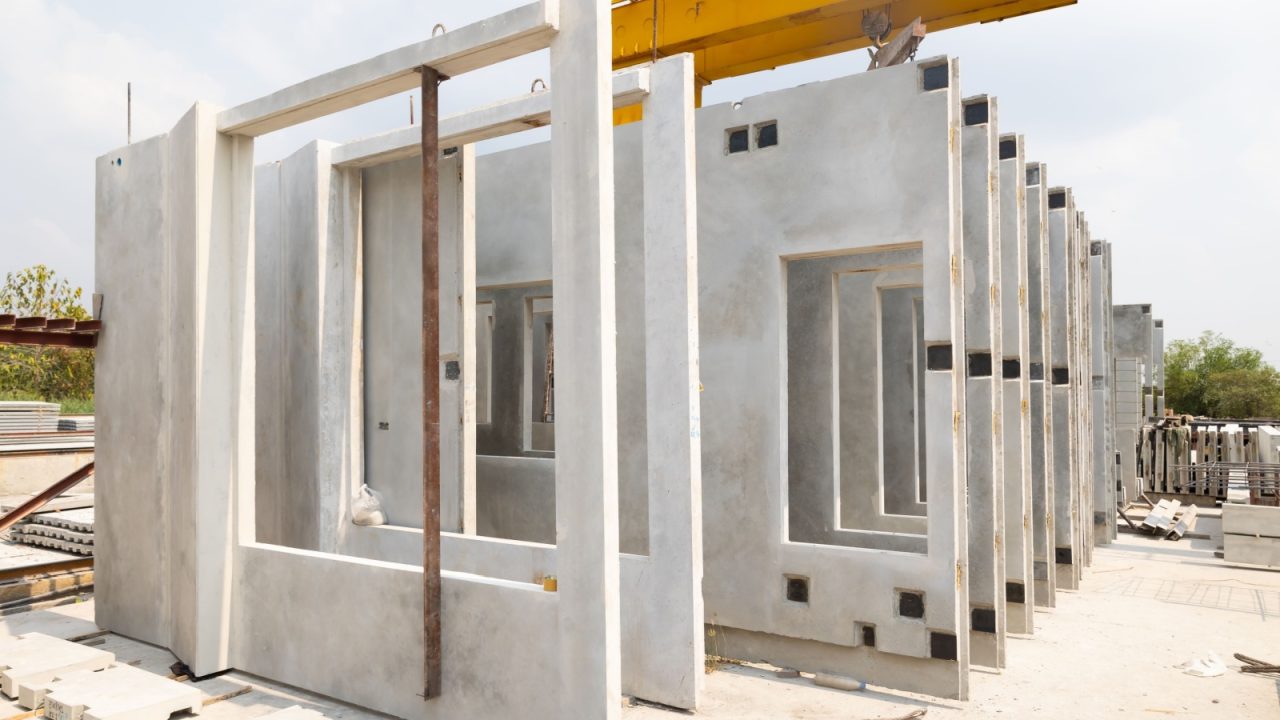
Over time, bases could transform themselves into small towns. The high cost of transportation between Earth and Mars will create a strong financial incentive to find astronauts willing to extend their surface stay beyond the basic 18-month tour of duty, to four years, six years and longer. Experiments have already been done showing that plants can be grown in greenhouses filled with carbon dioxide at Martian pressures—the Martian settlers can thus set up large inflatable greenhouses to provide the food required to feed an expanding population. Mobile units can be used to extract water from Mars’ abundant ice and permafrost, supporting such agriculture and making possible the manufacture of large amounts of brick and concrete, the key materials required for building large, pressurized structures. While the base could initially comprise an interconnected network of ships, “tuna can” habitats or other flight systems, by its second decade, the base’s settlers might live in pressurized, underground-vault domains the size of shopping malls. Not too long afterward, the expanding local industrial activity will make possible a vast expansion in living space by manufacturing large supplies of high-strength plastics like Kevlar and Spectra that could allow the creation of inflatable domes encompassing sunlit, pressurized areas up to hundreds of meters in diameter.