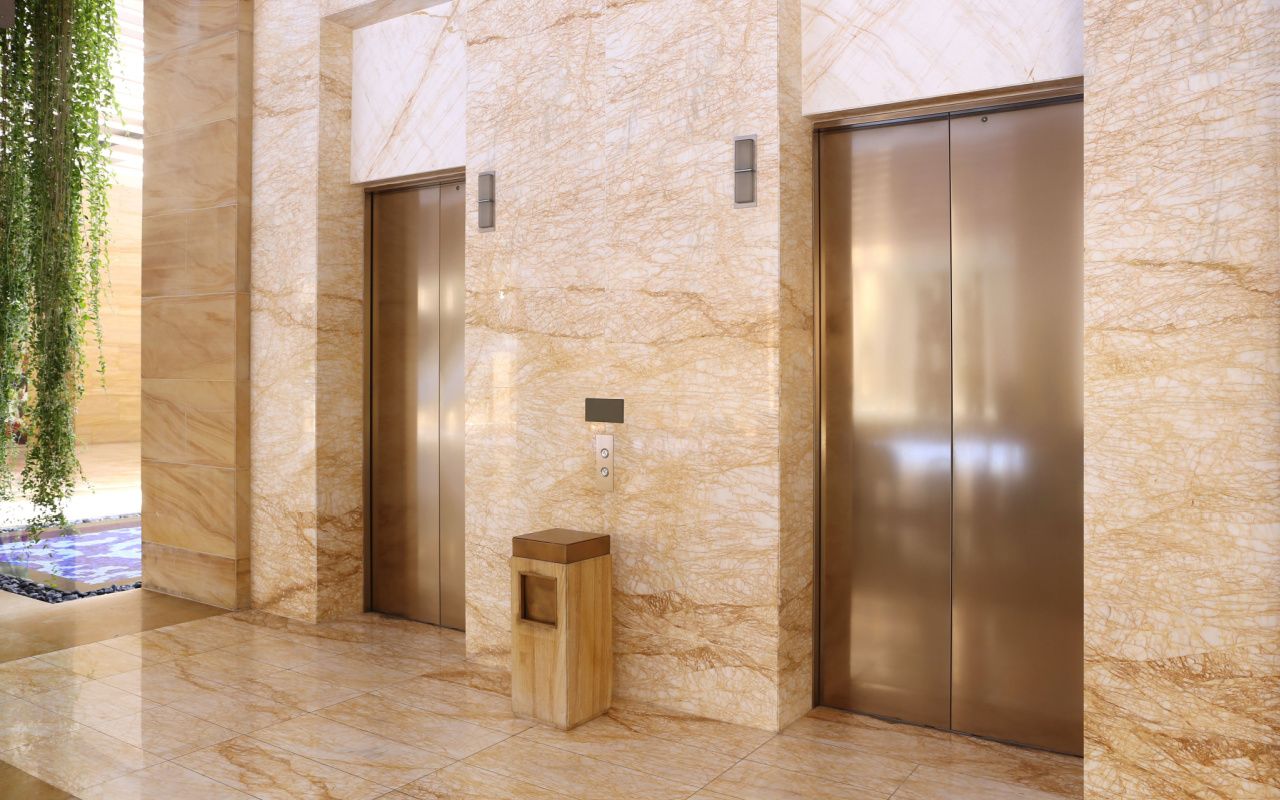
Elevators are an essential part of any building’s infrastructure, but in high-rise buildings they are crucial for tenant, staff and visitor accessibility. Servicing and replacement can become a major inconvenience when building occupants cannot realistically use stairwells, causing wait time, accessibility and safety challenges. One way to help ensure minimal disruptions to high-rise elevators is to include elevator life cycle criteria in the early stages of planning. This enables managers and staff to make appropriate plans for maintenance and repair, reducing the risk of being caught by surprise.
A key factor to keeping systems running safely and efficiently is to understand how long an elevator and its various components are expected to last. Having this knowledge provides the foundation to proactively build a strategic preventative maintenance plan, anticipate modernization timeframes and know when an elevator or its parts may need to be replaced.
Understanding the Life Cycles of Elevators
From the time of installation, most elevator systems are built for peak performance for an average of 20 to 30 years. There are many factors that can impact the life cycle of an elevator–including daily usage, the environment it operates in and the cadence of maintenance routines.
Cab interiors and call stations are typically the first areas to need upgrades and replacement, with wear and tear becoming evident by 10 to 15 years from initial installation. However, machinery and wiring systems can last much longer, on average more than 30 to 40 years, before needing to be replaced.
Real estate professionals should have a regular routine that includes parts review and preventative servicing, as parts may have varying timelines for modernization and replacement. These include controllers, hydraulic power units or hoist machines and many other critical components needed for a functioning elevator.
As an example, misleveled stops are often caused by using an old, obsolete traction system that relies on mechanical brakes to stop the car. These are typically found in older buildings and, as the traction system wears over time, an elevator’s stop accuracy decreases. To resolve this issue, brakes should be serviced immediately. A more proactive solution, however, would be to upgrade the elevator to a modern control system with electrical stops. This would come with built-in tolerance levels that consistently land the elevator in line with the floor.
The Importance of Maintenance
To avoid unexpected emergency repair costs down the road, and to elongate the lifespan of an elevator, ongoing maintenance is vital. The key to maximizing the investment, and boosting property value, is to plan ahead to make sure each unit is properly installed and consistently maintained. An elevator service company should be providing a properly managed Maintenance Control Program (MCP), which schedules and executes preventative maintenance at regular intervals. A qualified, expert service provider will log each visit, ensuring there are notes on individual components. This can help determine the need for modernizations or replacements while maximizing a system’s safe operation. In addition, regular logs can help forecast future equipment updates, making them a planned investment instead of a costly emergency repair.
When To Upgrade or Modernize an Elevator
If you are experiencing constant breakdowns which require repeated service call-backs to keep an elevator running, or if an elevator is more than 20 years old, a system upgrade or modernization should be considered. This will help prevent major elevator problems in the future and ensure the safety of all passengers.
A good elevator service partner is worth its weight in gold. As experts in the life cycle of elevators, they can work closely with building management to identify the best ways to manage the systems and keep everything operating smoothly. A quality service partner should have strong knowledge of elevator and component lifecycles, experience with creating and adhering to a maintenance schedule and offer solutions to any issues through open communication.