As 2018 progresses, the connected jobsite is moving from a hot topic to a call to action. Increased construction activity, a tight labor market, and much-deserved digital attention from technology companies and investors have resulted in increased awareness, acceptance and adoption of construction’s growing internet of things.
Construction companies are moving beyond site WiFi, project management and other function-specific software as benchmarks for their organization’s innovation and are actively incorporating sensor-based solutions, wearable devices and drones into their jobsites. These solutions automatically collect data from workers, equipment, tools and the environment, and then send it to the cloud, where it is combined with intelligent software and advanced data analytics to unlock new trends and insights.
The Details Are in the Data
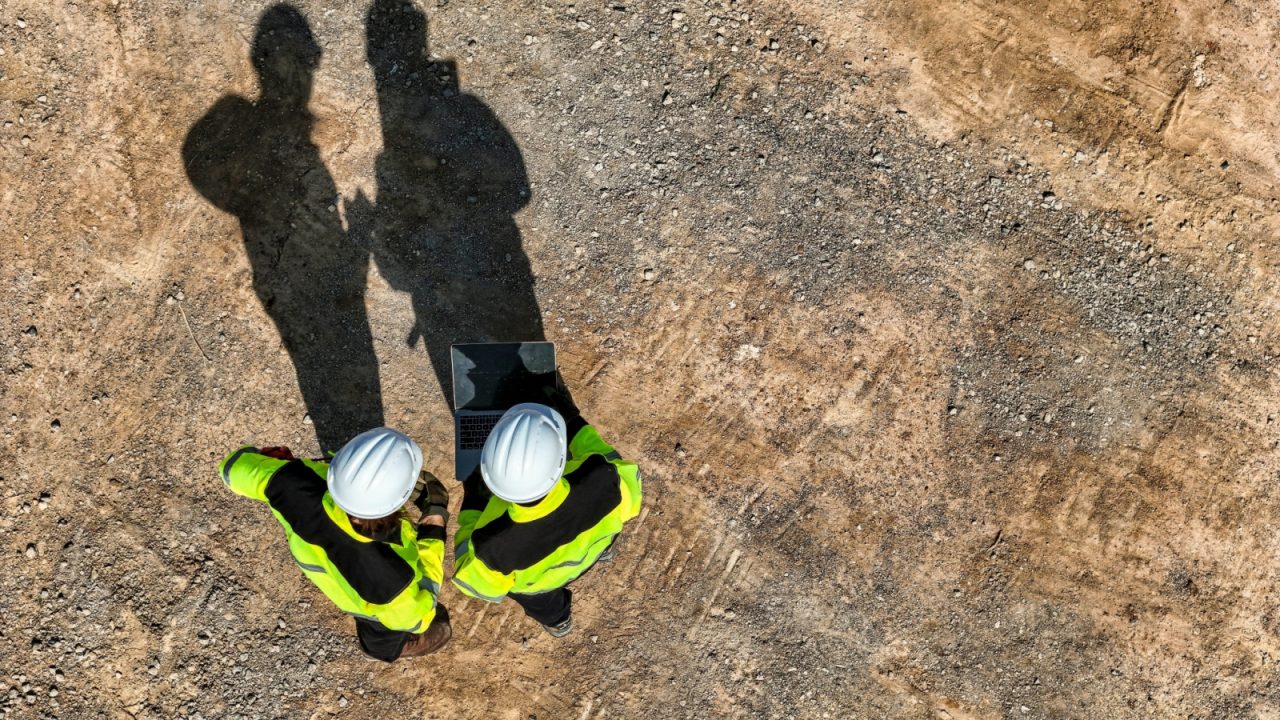
Consider the emerging role of drones in the construction industry. No longer a futuristic concept, drones equipped with cameras and infrared sensors are being used to record physical and environmental site conditions before, during and after breaking ground.
This visual and physical data—captured more affordably, efficiently and safely than previously available methods—can be turned into 2D and 3D models to create a rich digital representation of the jobsite, and shared among project participants to identify site challenges and safety hazards, as well as to measure project progress against timelines and other milestones. With less time spent manually collecting as much of this information as possible or working off incomplete, outdated information, project leaders and teams can respond to real-time conditions and proactively manage resources and projects.
Wearable devices are another IoT-enabled solution gaining traction onsite. Typically worn by individuals, these devices can automatically badge employees in and out of the worksite each day, streamlining time and attendance processes and providing supervisors with a comprehensive view of which workers are onsite and where they’re located at any point in time.
Not only do these technologies automate manual processes and free up wasted production time, but the data they capture can be analyzed to unlock new efficiencies and prevent cost overruns. A study from the Department of Construction Science and Management at Clemson University found that the average construction worker operates at about 40 percent efficiency. The remaining time is typically spent waiting for materials, equipment or information (20 percent); or wasted due to poor systems design or internal processes (20 percent); or to poor scheduling that puts workers in congested areas where sufficient space isn’t available to complete the task at hand (15 percent).
With new logs of worker movements onsite, construction companies can begin to see where subcontractors are actually spending the majority of their time. For example, if they’re scheduled to lay pipe on the seventh floor, but are spending a large percentage of time transporting materials from the ground floor, what changes can be made to streamline this process?
Embracing an Integration-first Mindset
Data and the insights that can be gleaned from it are becoming increasingly important in the industry. In a recent study, “Manual Processes in Construction and Engineering,” nearly 70 percent of the 500 executives surveyed said that they need reliable data to identify “potential issues before they become big problems,” and more than half believe that the challenges created by manual data collection—incomplete information, missed opportunities and lost production time—could be eliminated through digitization.
Integration is increasingly critical as more solutions become available and more data is collected. Maintaining multiple systems not only puts an increased strain on resources, but it also hinders the ability to glean insights and measure results. When each system has its own process for collecting, analyzing and reporting on information, there is no single, comprehensive source of truth across an organization or project.
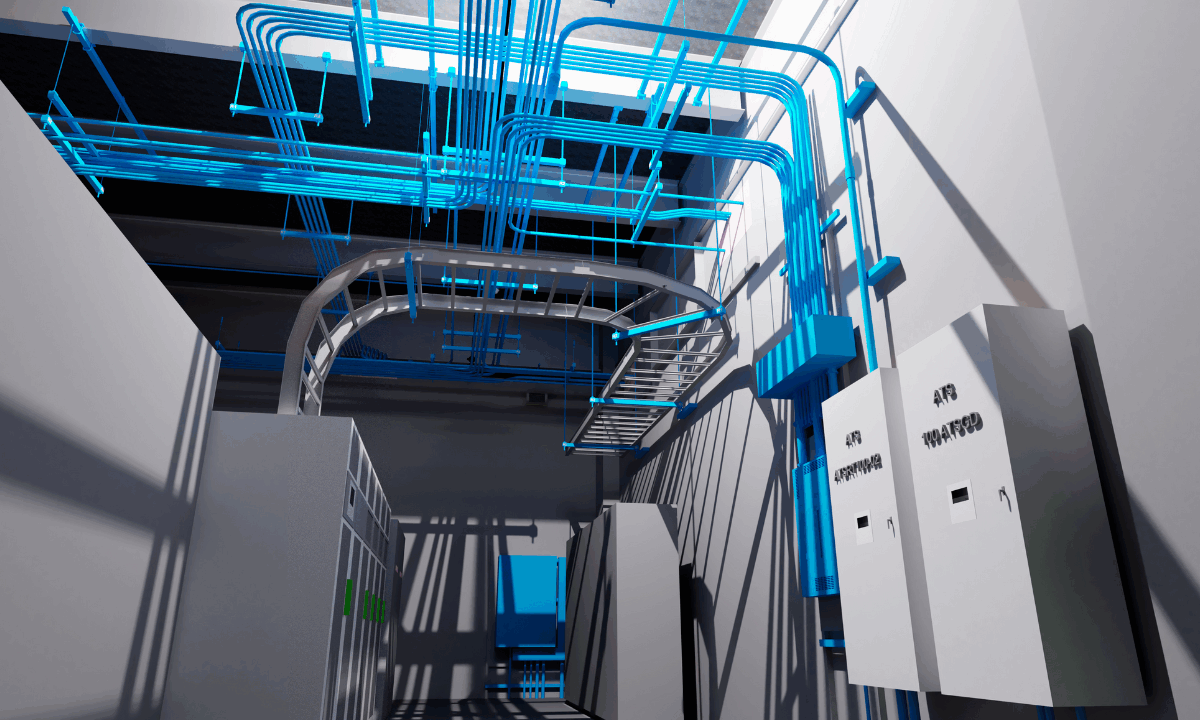
IoT-enabled solutions provide the greatest value when they integrate with existing systems—whether they are internal, proprietary or third-party applications. For example, when real-time worker location and fall data seamlessly syncs with BIM software platforms and can be displayed on existing 3D models (or equipment location, run time and utilization rates integrate with operator identity and safety data), disparate sources of valuable information and insights are combined to unlock enterprise-wide insights.
The Future Looks Bright
The industry continues to make great strides toward digitization. Compared to one year ago, construction organizations are more actively recognizing and exploring ways that technology can tackle pain points, eliminate redundancies and prevent cost overruns.
Creating—and committing to—a focused digital strategy is paramount. Establishing goals and determining gaps in current systems and processes is the first step, but keep in mind this is an ongoing initiative. It’s best to have an open mind when it comes to adopting new technologies, restructuring processes and integrating systems.
As more jobsites are connected, and more data is gathered, construction companies will see greater payout from the digital tools they implement, and adoption will increase. By embracing the connected jobsite of today, construction companies will not only work smarter right now, but they also will help shape the jobsite of the future and all the advantages that it will offer.