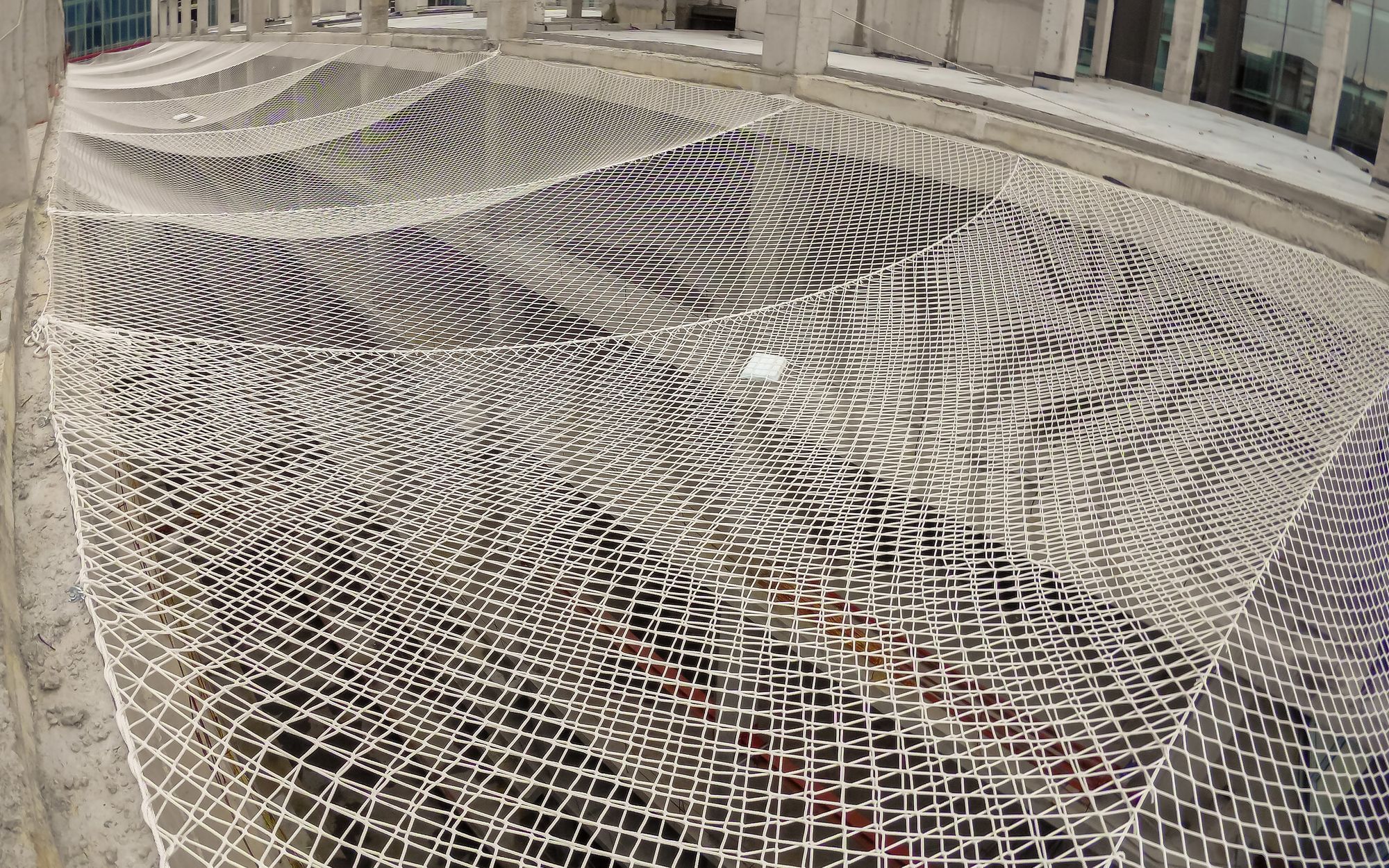
Construction executives, general contractors and building owners are certainly familiar with safety netting systems and the reasons to install them, which include protecting workers and debris from falling from structures, as well as façade and ceiling containment. These passive systems can also facilitate a safe work environment.
When it comes to specifying the appropriate solution for a construction project, however, all netting systems are not the same, so at the risk of potentially deadly failure and costly liability the netting needs to be properly vetted before installation.
To examine the benefits of implementing high-quality netting systems fully vetted for the construction project, John Rexford, an expert in the safety netting industry for more than 25 years, discusses the advantages and benefits of appropriate specification and selection.
CE: Aren’t construction netting systems basically all the same?
JR: No, this is a common assumption in the industry, but nothing could be further from the truth.
There is broad variability in the quality and construction of nets, suitability for the stated safety purpose, quality of testing and other factors that impact the ability to meet a broad range of national and state fall protection and debris control standards.
A construction professional cannot just put a netting system together that he or she feels is going to work, only to realize at the end of the day that it was not sufficient for the purpose. Netting is a vital part of safety on a project so contractors cannot take shortcuts. In the long run, installing netting that seems easier or requires a little less labor can be very risky.
CE: What netting safety regulation could apply to a construction project?
JR: In one jurisdiction or another, netting systems often may need to conform to ANSI, OSHA, Army Corps of Engineers and ASTM standards.
CE: With lives and liability potentially at risk from sub-par netting, who can help contractors properly specify the system required for their construction projects?
JR: Netting system selection should squarely rest in the domain of experts and engineers, and not be viewed as a mere commodity item. As such, contractors and building owners often rely on third parties with a wealth of netting-specific knowledge and expertise when devising safety plans or designing and installing rented or purchased nets and systems.
CE: Why would a well-manufactured and designed netting system make good business sense beyond safety during construction?
JR: Installing high-quality netting systems can also reduce insurance costs, improve safety ratings, speed productivity, boost worker morale and create a positive public image.
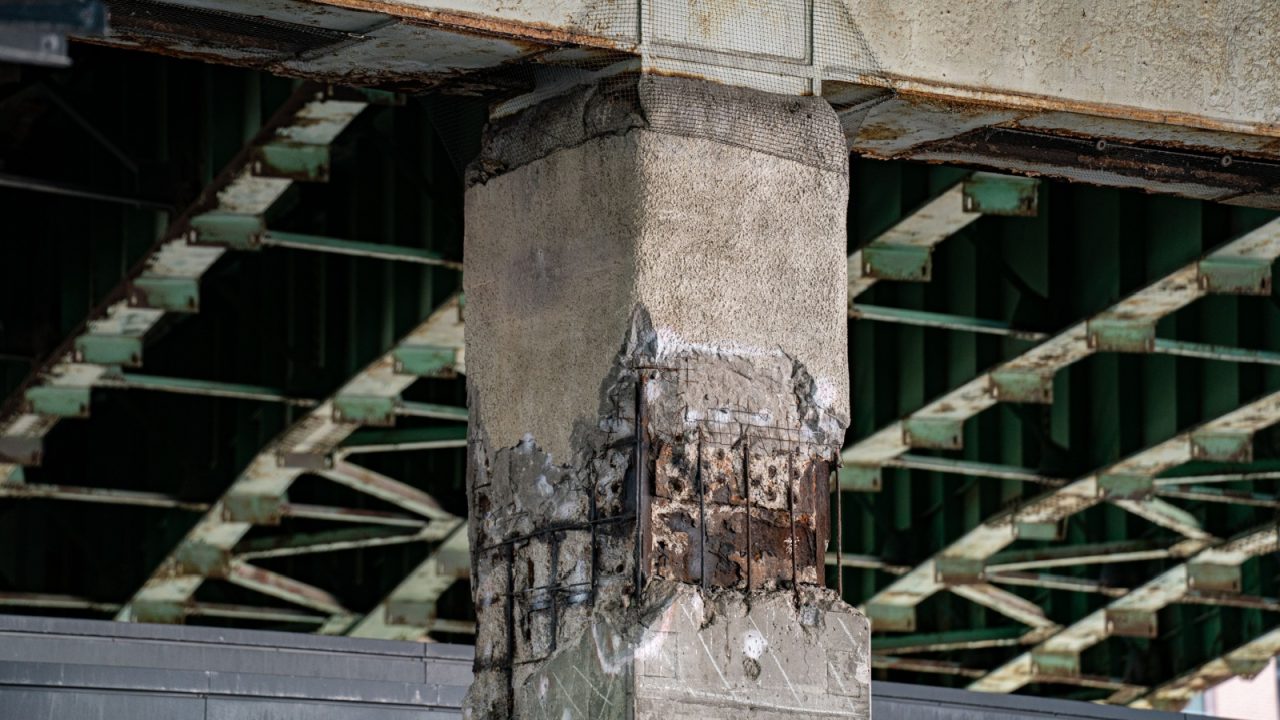
In addition, netting can be used for other purposes including as a scaffold and barrier netting and for façade containment to protect the public from falling debris from deteriorating buildings until permanent repairs can be undertaken.
CE: In terms of netting systems, what do contractors need to know about quality?
JR: Quality in the manufacturing and materials of netting is a major factor in the selection process. Many nets supplied by U.S.-based companies are imported from China or India where the manufacturing process is driven by supplying an inexpensive product in mass quantities.
Even nets that appear adequate may have quality issues lurking under the surface that are not easily identifiable by the untrained eye. One example is a deterioration condition caused when an overseas supplier manufactures a net with a linked polymer that begins to deteriorate almost immediately. The condition is referred to as “wooly bear” syndrome, due to its appearance. This can dramatically affect the longevity and safety of the products.
CE: What else do contractors need to know about quality netting systems for construction projects?
JR: With netting systems, the most well-designed and manufactured systems are those that go unnoticed and can be taken for granted. It is only when someone or something falls and causes damage or injury to people or property—and it makes the evening news—that netting systems take center stage.
With so much at stake, contractors and building owners would be well served to seek out expert advice from netting system experts to avoid installing defective products that fall below the safety standards.
It all comes down to safety. If something or someone happens to fall, construction professionals are going to want the best nets available.
In the end, construction executives feel much more comfortable with a higher quality product because the goal is keeping their people safe and the project on schedule without any potentially life-threatening fall incidents.