A safe project is a successful project. As technology changes how the industry approaches, manages and executes projects, it is also transforming how it detects, documents and responds to safety incidents. IoT solutions, including wearables, sensors and drones, serve as intelligent, intuitive additional eyes and hands on the jobsite—alerting supervisors to dangers or situations outside a normal range without having to expose workers to potentially unsafe conditions.
In addition to enabling better visibility and subsequently safer jobsites, IoT technology is capturing and storing vital data that previously was collected using manual, error-prone methods. This helps safety leaders make decisions and manage projects based on reliable information.
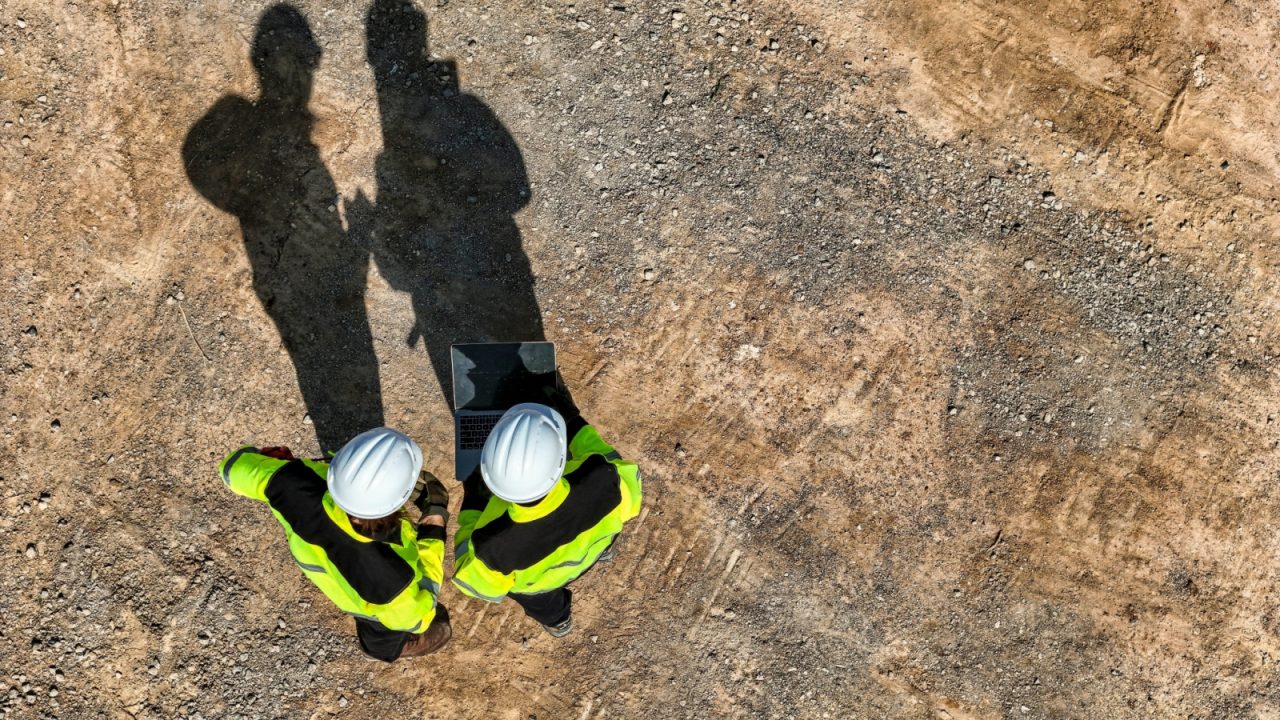
For example, drones can survey a worksite more efficiently and affordably than humanly possible, helping identify specific hazards or conditions such as loose roofing or other things that otherwise would be difficult to detect. While drones are good for initial hazard analysis and progress updates, it’s unlikely that UAVs are continually flying above the site and monitoring present conditions. This is the strength of wearable and sensor technology, which enables ongoing, real-time worker, equipment and even environmental monitoring.
Putting Data to Work
Across the industry, IoT is moving from a buzzword to a call to action for its ability to enhance visibility, streamline communication and improve safety. In particular, construction companies are focusing on wearable technology that taps into the industry’s most valuable and scarce resource: workers.
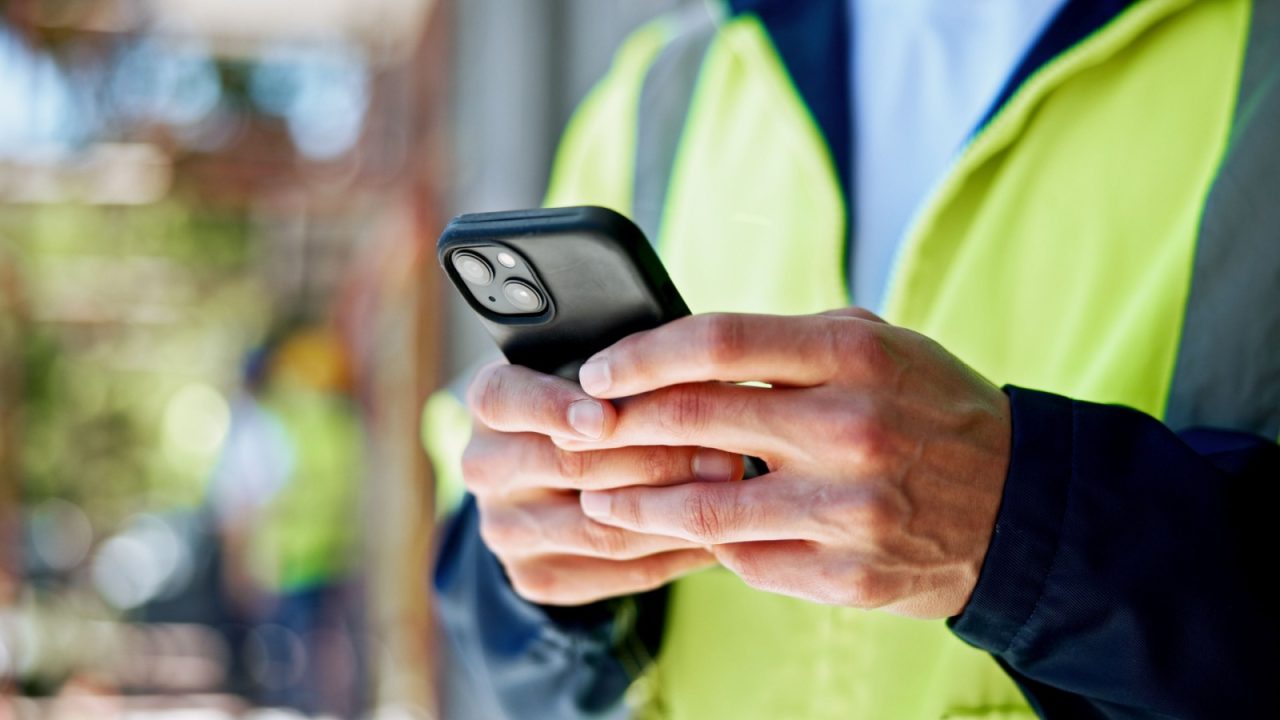
Similar to consumer wearables, such as fitness trackers or smart watches that monitor total steps or hours of sleep, these unobtrusive devices quantify activities onsite, replacing assumptions with objective data into where tradespeople are spending time and when (as well as where and how) safety incidents are occurring. As the saying goes, “if you can’t measure it, you can’t manage it,” and that is especially true when it comes to worker safety.
Advanced IoT-based solutions can detect falls via compact devices worn on a worker’s waist. When a fall occurs, the event is automatically recorded, and a notification is pushed to designated personnel, telling them where the incident occurred so help can be sent.
These technologies are enabling a shift in safety management and culture by powering:
- Real-time notification of safety incidents. More timely identification and notification means faster response and better care for a potentially injured worker, which can reduce the risk of compounding injuries. The ability to send and receive real-time alerts also reduces risk exposure by preventing nearby workers from entering unsafe areas or walking into unsafe conditions to help an injured colleague.
- Data to modify behaviors. Technology measures safety behaviors onsite in a way that was previously not possible, such as regular low-height activity that could come from workers jumping into an excavation pit—or off the bed of a truck—instead of using a ladder. Real-time feedback provides supervisors with an opportunity to understand and correct behaviors and reinforce best practices, helping minimize overall exposure and conduct safety training along the way.
- Better contractor-insurer relationships. Forward-thinking contractors are viewing technology as a way to boost communication and risk management with their insurance carriers. Research shows that the longer it takes to report an incident, the higher the cost of the associated claim. IoT technology helps streamline incident reporting and investigation by providing robust, objective incident data, such as time, location, height of fall, weather or location of nearby workers, which adds valuable context to an incident. Improved response times and safer behaviors will hopefully result in fewer or less severe safety incidents, which will mean reduced insurance claims and costs—a win for everyone involved. With a more accurate, data-driven picture of site safety, both contractors and their insurance partners can make smarter decisions about their safety, risk management and overall business strategy.
The role of technology in construction continues to evolve as more solutions hit the market and strapped contractors turn to technology to meet demand, optimize resources and, most importantly, ensure the safety of their workers.
Thanks to IoT technologies, construction firms can replace assumptions with data to limit exposure, modify behaviors and improve risk management practices.
With timely insights, contractors and insurance companies alike are staying on top of risks and ahead of potential safety incidents, better protecting workers and keeping projects moving forward.
A safer, smarter, data-driven construction jobsite is no longer a far-off possibility; it’s a reality today.