Construction work is fast-paced, and a contractor does not need to be a large, national firm to have simultaneous jobsites in multiple cities and towns—and even multiple states. To manage the scale and demands of today’s jobsite, almost every contractor has a mixed equipment fleet, owned and rented.
Successful projects require a variety of equipment types, from aerial work platforms and earthmoving equipment to generators and light towers. If a critical piece of equipment is not at a jobsite or readily available for use on demand, managers are faced with costly idle personnel, and the project budget and schedule are at risk.
To fill gaps, contractors usually turn to rental companies, which have a broader inventory of equipment than a single construction company could possibly own. Rental inventories also often have specialized equipment—items outside a typical contractor’s stock because they are not necessary for all projects. Temporary power and climate control, pumps and trench safety solutions fall into that category. They’re critical when you need them, but they may not be a line item on every project.
Keeping track of all types of equipment—owned, rented, specialized and traditional—adds another layer of complexity to projects. Equipment is an essential piece to the puzzle but if there isn’t a strategic and convenient way to monitor utilization or equipment need then a company could be challenging the bottom line.
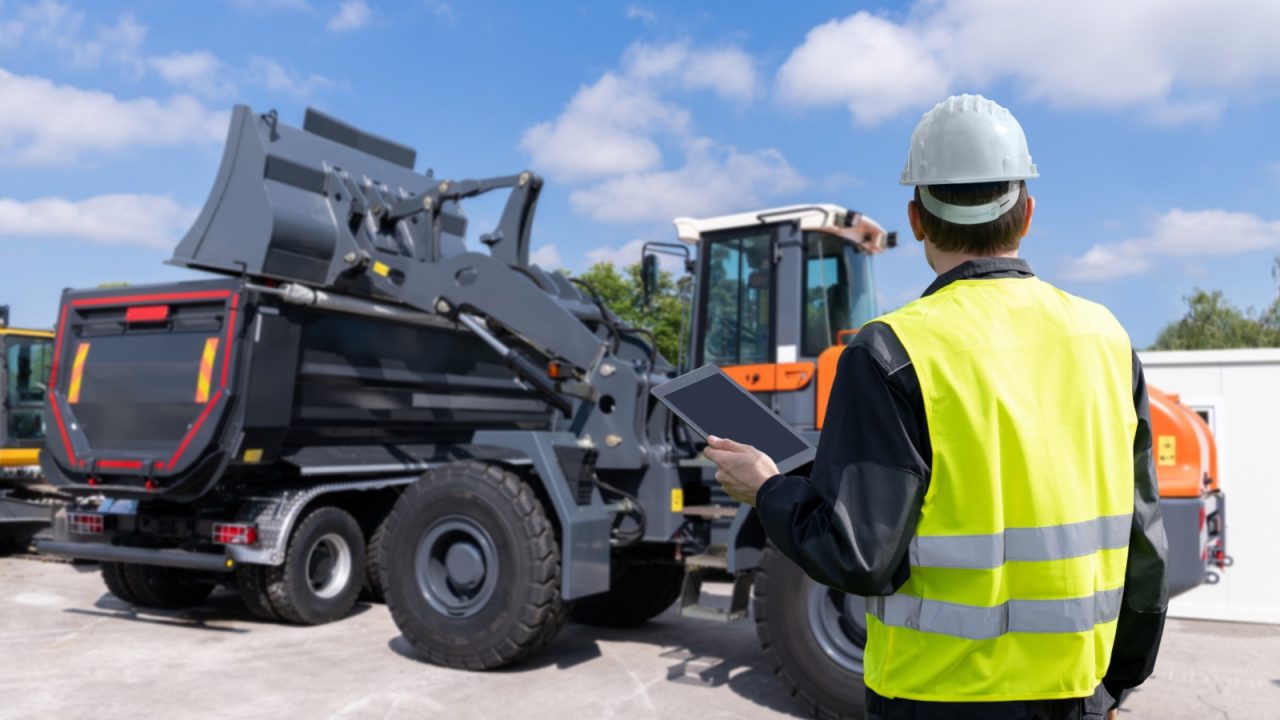
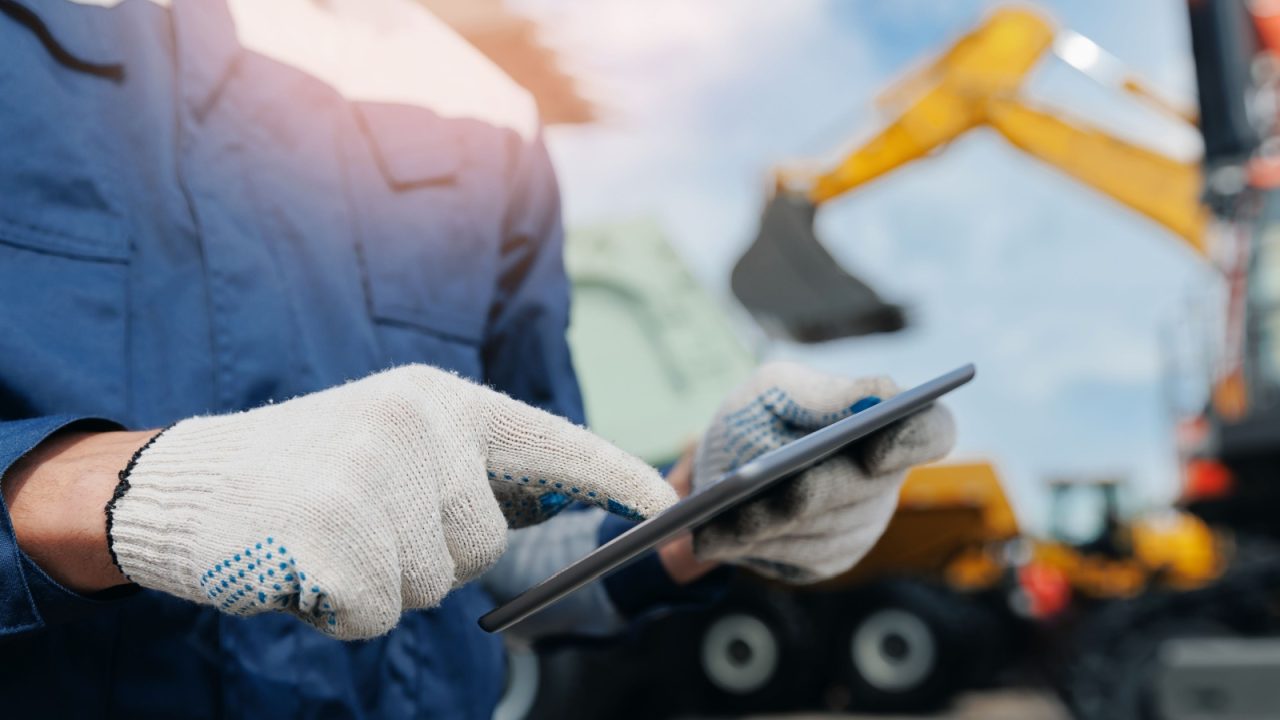
For contractors operating in the digital age, equipment fleet management systems address these challenges by managing owned and rental equipment. They enable companies to take control of their equipment fleets by creating a single system of record that delivers visibility and digital tools to manage all equipment across multiple jobsites. These systems allow companies to get a handle on what equipment they have, where it is located, how much they are paying for it, how often it is being used and when they need to return it.
Fleet management injects more accountability into equipment rental activities. The system can prioritize the use of owned equipment over renting additional items to save money. It hardwires a requester/approver process to ensure the commitment of funds is transparent at all levels and equipment is either off-rented at the designated return date or extended with an approver’s support.
With a fleet management system, information that requires action or can influence decisions on equipment is placed in front of decision makers when reviewing equipment. By tapping capabilities such as alerts, push reports and equipment utilization data, contractors can be actively prompted to save money.
Optimize the Fleet
Having a fleet management system in place positions a contractor to improve how its organization consumes rental equipment. These changes can deliver real savings to the business. But if the company does not take the time to measure and quantify the savings, it could lose the chance to optimize its fleet and run an efficient, profitable project.
Here are a few examples of widely accepted savings metrics.
Usage efficiencies
Renting longer than planned disrupts budgets. For instance, a piece of equipment may have a one-month rental charge of $1,800, with a daily past due rate of $200 and weekly rate of $600. One day past due adds 11 percent ($200) to equipment costs while going three days past due boosts expenses by 33 percent ($600). Past due charges eat away at project profitability. Using fleet management to provide equipment visibility and proactive notifications can empower contractors to reduce costs.
Leniency
Being able to share equipment among departments or jobsites saves costs and eliminates waste. Take, for example, three jobsites where each of them needs the same piece of rental equipment for timeframes that range from a few days to just a little more than one week. Rather than each jobsite renting the equipment, fleet management can facilitate the company renting one piece of equipment to be shared among the three sites over a month and portion the cost among each of the projects.
Utilization
Contractors need visibility into how much they are using the equipment they have onsite. Fleet management can provide alerts for low equipment utilization to notify contractors when items are not being used close to their maximum availability. For instance, say a construction firm is renting three generators but each of the generators has a utilization rate of 40 percent or less. A utilization report can help the company identify the opportunity to boost usage of two generators and take the other one off-rent to save costs.
Improve Performance Through Benchmarking
While the insights gained from digital equipment fleet management are extremely beneficial, they are principally inward looking. Benchmarking performance allows the improvements created by fleet management efficiencies to be taken to the next level. Any rental supplier that a contractor uses should be able to provide how its equipment is used and consumed by market segment, job type and equipment specification. Benchmarking uncovers opportunities to comprehend where utilization issues are and can lead to corrective actions which change operational behavior and drive a stronger financial result.
Gain Control and Drive More Value
Equipment fleet management helps companies rise to the challenges of today’s construction environments where teams are required to maximize uptime and productivity. They provide a platform for companies to gain control and drive more value from their fleets by measuring equipment utilization and identifying ways to improve. In doing so, these systems deliver the resources that allow contractors to more productive and get the job done, on time and on budget.