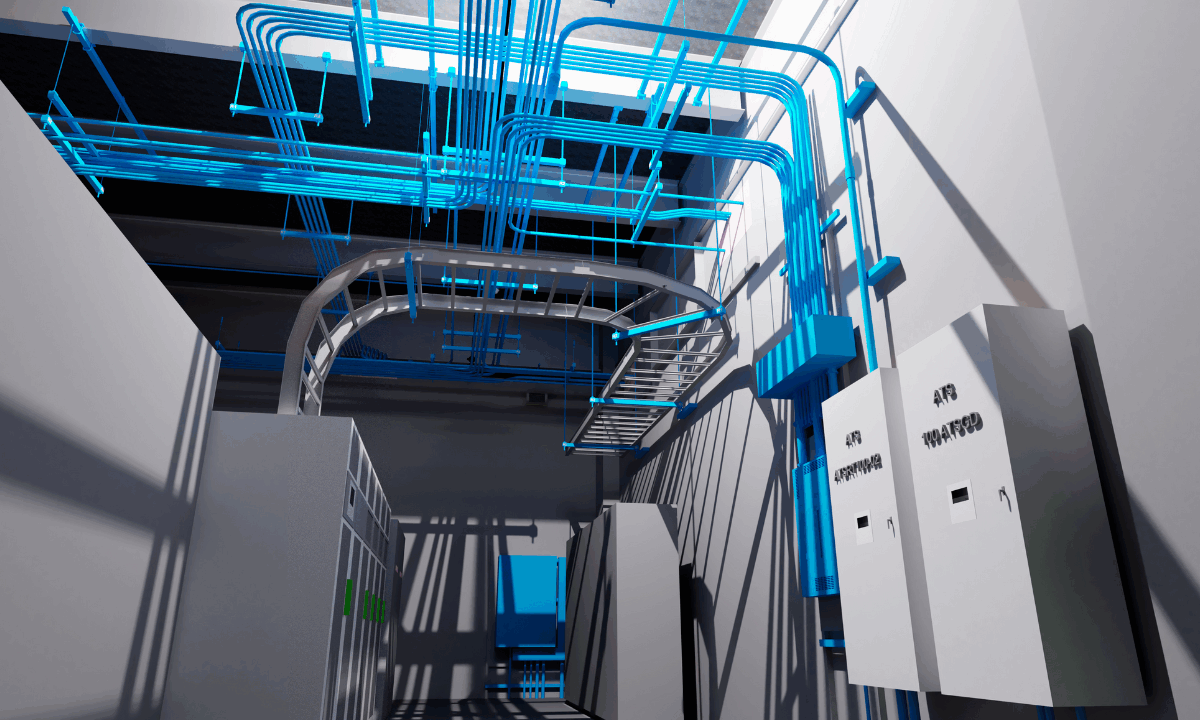
Building information modeling has been steadily gaining wide acceptance in the construction sector as a central platform for integrated design, modeling, planning and collaboration.
BIM provides stakeholders a digital representation of all aspects and elements of a construction project throughout its entire lifecycle. BIM encourages collaboration between different teams and among all stakeholders—a work model that promises a world of efficiency gains. In this collaborative way of working, all project contributors and stakeholders can give and take information from the central model. Because BIM supplies a continuous and lasting outlook of construction projects, it extends benefits along the value chain across all construction phases and facilitates new business thinking and models. The flawless flow of data from the stakeholders and across all phases creates a perpetual wealth of construction and project knowledge.
Why standardize?
To realize the full benefits of BIM and to implement it on a large scale, there are a few things to consider and get under control:
- BIM implementation within a company would require expertise growth within teams where employees need training and IT needs to be upgraded. Smaller companies might find the upfront investments discouraging.
- Standards must be put in place especially with technological strategies and tools to allow interoperability and ensure that stakeholders and project teams can share information and collaborate.
- Project owners must be educated about the benefits of BIM for them to invest in and adopt the technology. Understanding what project owners can gain from implementing BIM is key to adoption.
- Since data is created, generated and shared collaboratively in BIM, issues regarding data ownership and liability must be taken into consideration.
- The full potential of BIM is totally realized when it is implemented on a large scale—everyone along the value chain must get involved because it’s the interlinking effect that benefits even the first movers.
Standardizing would allow a common framework for project management; this common framework is the core of how BIM works. Each construction project is unique but the processes and lessons learned from one project can apply to the next one. The concept is to establish standards so that construction collaboration and project management can live through continuous improvement project to project. To establish this common framework or set of standards, consider these steps:
- Collect, consolidate and analyze project data. From previous projects, identify what data are crucial for future decision making. Continuous collection and monitoring of the captured feedback is needed to give an idea what processes to focus on.
- Identify best practices and standardize them. Evaluate the performance of individual projects and develop a checklist and portfolio of best-practice processes that apply to a myriad of projects:
- standardize software systems, communication tools and interfaces that will automate or digitize standardized processes;
- standardize measurements, processes, classifications and cost definitions for compatibility and comparability among different projects; and
- standardize legal arrangements, contracts and other documentation to mitigate legal risks and costs.
- Apply best-practice standards at the project level. Making best practices mandatory is important for implementation.
Standardization paves the way for digitalization. The development of data-driven processes is what will eventually lead to an open collaborative work model facilitating the success of ambitious BIM initiatives.
Standardizing: the gateway to digitalization
After identifying, standardizing and applying best practices, focus on what digital technologies, strategies and processes can be used to execute a full-scale digitalization plan that will allow collection and analysis of vast amounts of data.
Having the ability to collect and analyze big data open new opportunities along the value chain from early design to planning to the end of a project’s life cycle. Data pools created from construction projects and even from the operations phase of existing buildings will generate new valuable insights.
Mobile technology and augmented reality will enable a company to share real-time information and provide on-site workers vital feedback at the right time and place. Furthermore, digital tools can feed that real-time information back to the central model and database for the benefit of all stakeholders.
Simulation technologies and virtual reality will allow clash detection and interdependencies during the design phase and prevent them before the mistakes are made. Drones and sensors can be integrated for real-time tracking of machines, people and the construction process in general. 3D scans can be used to build digital building models that can discern discrepancies early in the construction process.
Standardization facilitates the easy integration of BIM and any other initiative towards the digitalization of the construction industry. That is expected to be a substantial turning point for the sector in terms of planning and project management.
BIM’s full potential: unlocked
BIM will ultimately realize its full potential if and only if it is widely adopted as an industry norm. The current transformation of the construction industry is increasingly relying on BIM and BIM-related tools:
- BIM’s potential is there—mainly for coordinating the stakeholders of a construction project and for simplifying the on-site construction processes. To unlock these two, suppliers of digital tech and tools have to cater and customize relevant products to the construction sector, and contractors have to revise construction processes, strategies and operations to make them compatible with BIM.
- BIM can help consolidate the supply chain more closely. By bridging separate systems and presenting end-to-end transparency and visibility into the supply chain, BIM could reduce costs, improve service quality and even precipitate new business models that could further disrupt construction.
- BIM can also greatly improve the use and management of product and project knowledge through more integrated and comprehensive object libraries and real-time access to additional information.
- BIM also provides an objective perspective; it facilitates a level playing field for everyone on and off the construction site, especially when it comes to dispute resolution.
The many benefits of BIM will only materialize if the entire construction ecosystem is ready. However, investments need to be made on an individual company level. The first BIM adopters may be at risk, but if nobody starts moving, the whole industry that will stagnate and suffer. The entire construction sector has to somehow agree on a collective goal with shared targets when it comes to utilizing BIM.
A combined effort based on joint commitments and standardization is the key to reducing the risks for individual construction companies and creating an opportunity boost for the entire construction industry.