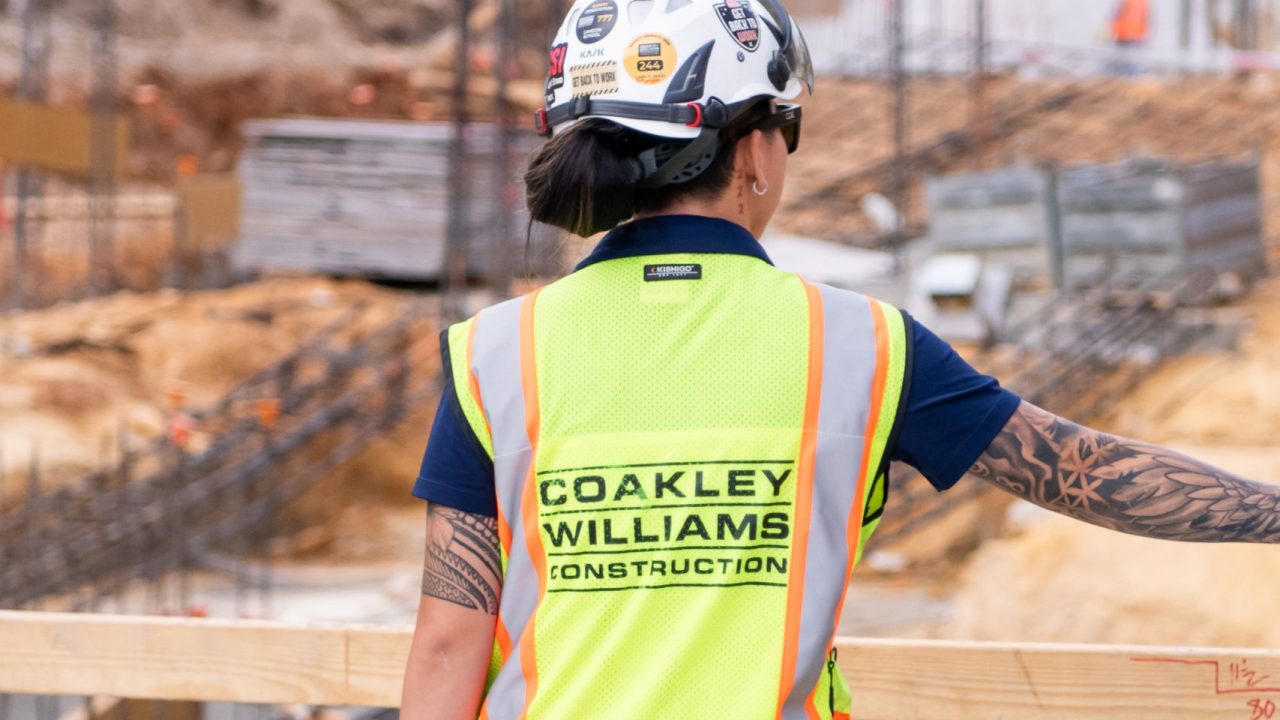
Imagine a carpenter you know whose custom work has earned a stellar reputation. Attention to detail is extraordinary and clients marvel at the craftsmanship and constantly refer the carpenter to others.
Perhaps he likes the idea of expanding from an individual operation into a bigger company, or she would love to teach and mentor others and create something larger than herself. Their skills could indeed be the foundation of a successful company.
But they know what admirers don’t see: Their current workflow relies entirely on their personal expertise. Project plans exist mainly in ideas. Material lists are scribbled on random notepads. Critical measurements and techniques remain unwritten, stored only in muscle memory and years of experience.
Scaling up would require far more than technical expertise. If he or she builds a team, he must tackle project management, crew scheduling, safety protocols, quality control, client communications, supplier relationships and dozens of other processes. Without these systems, even the most talented people can struggle to transition from personal craft to sustainable business.
Do you relate to these craft workers? Do you have a talent, but you’re unsure how to amplify it? Perhaps you’re searching for a framework of thought, a way to go from vision to reality.
Here are a few tips:
BUILDING YOUR FOUNDATION
Your first building block is simple: a clear understanding of why your company exists and what it stands for. What are your values? Why do you hold them dear? What do you want employees to understand about the principles they must share with you? Core values aren’t just wall decorations. They’re the blueprints that guide every decision and action in your organization. Write them out. Make them clear. Talk about them all the time.
Many businesses struggle with employee engagement and consistent decision-making. The root cause often traces back to a disconnect between daily operations and the company’s deeper purpose. Everything changes when employees understand why their tasks matter in the bigger picture. They’re motivated to be problem solvers instead of just instruction followers.
Don’t settle for generic statements about excellence or integrity. What truly drives your organization? What makes you different than competitors? Your values should be clear enough that team members can use them to make independent decisions aligned with the company’s mission.
For example, a clear value might be to build as if it were your own home. This guides countless daily decisions, from material selection to finishing details to cleanup procedures. It becomes a framework for allowing team members to make judgment calls that serve the mission.
WHAT ARE YOUR PROBLEMS?
A business solves a problem for customers or clients, but your employees solve problems for you. Before you can document procedures, you need clarity about your problems and then you need to identify which positions will solve which problems.
For example, a materials manager solves the critical problem of having the right supplies at the right time, preventing work stoppages and rush orders that eat into profits. A project manager solves the problem of keeping multiple jobs coordinated and on track, preventing the chaos that could damage client relationships.
Once you understand your problems, you can document how you want them solved. What decisions will this person need to make? What information do they need? What authority should they have? What results are you looking for? These answers become your standard operating procedures—not rigid scripts, but frameworks for consistent problem-solving.
Test these procedures against real scenarios. Have your team identify situations where the documented approach worked and where it needed adjustment. This tweaking transforms theoretical procedures into tools that solve the problems your business faces.
PLANNING AHEAD FOR GROWTH
A common pitfall for new or growing businesses is reactive hiring—waiting until you’re overwhelmed with projects before bringing on help. This creates a perpetual cycle of stress, rushed training and subpar performance. Instead, always anticipate staffing needs three to six months in advance.
It typically takes six months for a new team member to fully understand your culture and processes. By hiring proactively, you create space for proper onboarding and training. This investment in preparation pays dividends through increased retention and performance.
THE ART OF SMART DELEGATION
Many owners confuse task assignment with true delegation, but real delegation means transferring ownership of outcomes, not just actions. It means empowering employees to think, decide and solve problems.
This requires a fundamental mindset shift. You must move from “How can I oversee every project?” to “Who can own this job?”. Instead of training people to follow instructions, you develop their judgment. Instead of monitoring tasks, you review results. This transition feels risky, but it’s essential for quality growth.
When it comes to delegation, you might also take out a sheet of paper, create two columns and put tasks that must be handled on the jobsite on the left and duties that could be handled from anywhere on the right. A number of cumbersome administrative duties can be delegated beyond your geographic area to full-time online employees, lowering your overhead and allowing you to pay your most valuable employees more to retain them.
EMPOWERING THROUGH RECOGNITION
One often overlooked aspect of building strong teams is celebrating wins—big and small. This isn’t about superficial praise but building a work environment where contributions are genuinely valued. In construction, this might mean recognizing a crew that completed a complex installation ahead of schedule or highlighting a team member who spotted a potential issue before it became a problem.
Your team’s motivational health should be on your mind regularly. So, you might consider implementing performance-based incentives that align with individual motivations. And while competitive compensation matters, many employees are equally driven by factors like professional development, work-life balance or opportunities to mentor apprentices. Understanding these different currencies allows you to create reward systems that truly resonate.
BUILDING IN BACKUP SYSTEMS
Think of your backup systems as the internal insurance you pay against operational disruption. Expenses for backup systems are essentially premium payments made to benefit your future stressed self.
And true redundancy goes beyond basic backup plans. Every critical function needs at least two people who can perform it competently. Every important process needs clear documentation accessible to all. Every key client relationship needs multiple points of contact. Always look for potential problems and provide reinforcements.
CREATING SUSTAINABLE SUCCESS
The most resilient businesses don’t rely on superhuman effort or constant firefighting. They build systematic approaches to every challenge. They invest in their people through clear communication, proper training and genuine appreciation.
With the right systems in place, that great carpenter could indeed create a thriving company—one that maintains the quality of his or her original craftsmanship while operating smoothly across multiple jobs, even when they’re not present. But those scribbled notes must become detailed project documentation. The techniques stored in muscle memory must be transferred to the team, both in direct training and in materials or videos that can be accessed when a leader is not around.
Leaders must see the value in connecting their passion with practical systems that endure the inevitable bumps. Part of the fun in business is running into challenges with your team, then overcoming them—with all of you becoming stronger in the process.
SEE ALSO: HOW TO TRANSITION FROM A SOLE SERVICE PROVIDER TO A SMALL BUSINESS OWNER