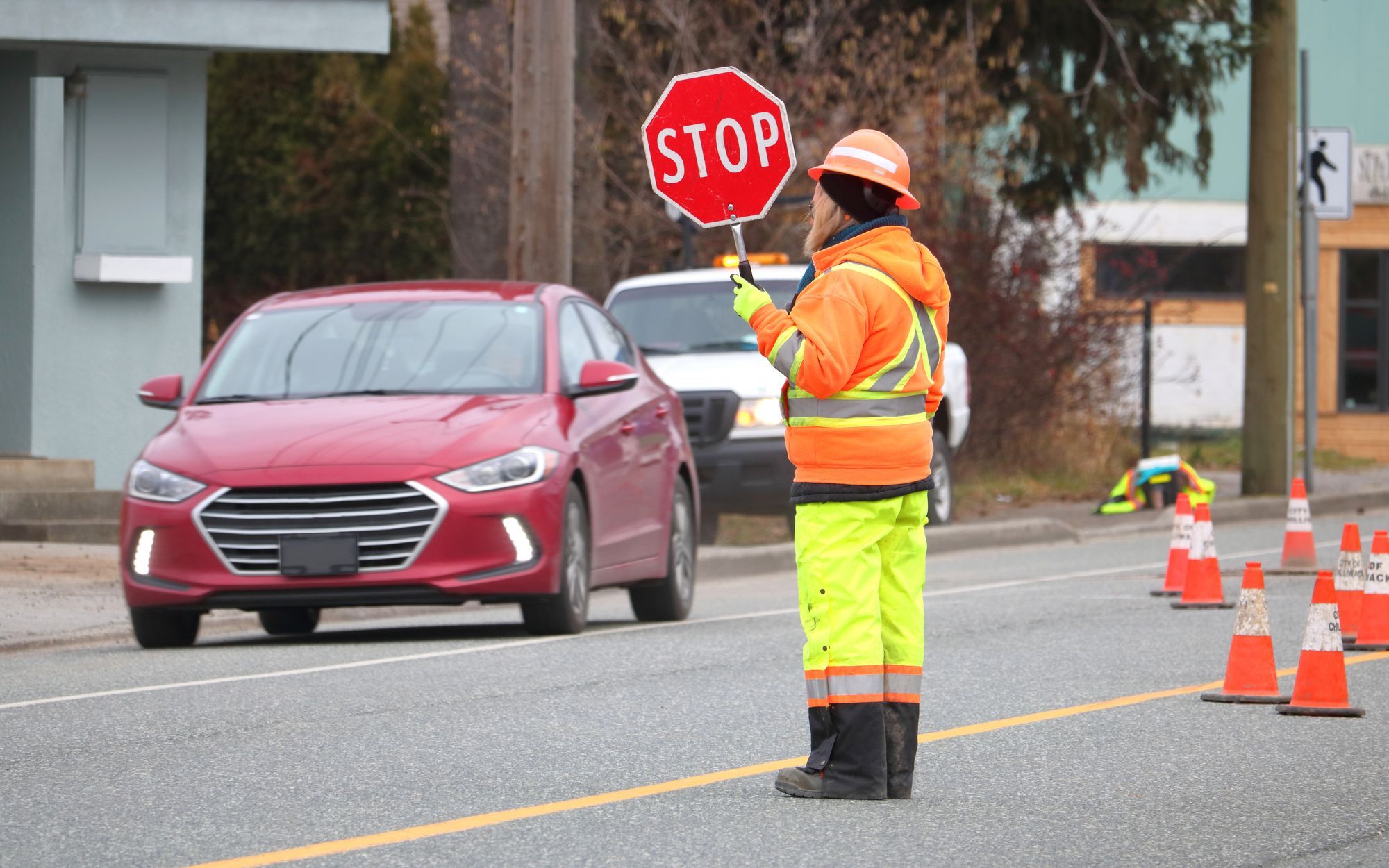
Traffic management is key to ensure the health and safety of staff on construction sites. With heavy equipment, delivery vans and pedestrians all sharing sites, organization is vital.
In fact, 799 work zone fatalities occurred in 2017 (including road construction sites), with 132 workers and 126 pedestrians dying from traffic accidents on construction sites in the United States.
Safer separated
On non-highway construction sites, a major consideration is how to keep vehicles and pedestrians out of each other’s way without making it difficult for either to get around. Designate traffic lanes for vehicles and pedestrians when mapping out a site. Ensure lanes are clearly labelled and consider other factors such as making shorter pedestrian paths to save time and ensure vehicle paths lead to all required areas like delivery drop-off points.
It’s not just enough to signpost traffic lanes; physical barriers need to be in place in case of accidents and for new visitors entering the site for the first time. Use barricades, separators and fences to border traffic lanes and prevent collisions. Many traffic separators can be filled with water or sand to provide a solid wall that withstands knocks or bumps but can also be emptied and moved around the site to create temporary diversions.
The safest way to organize traffic is in one-way lanes, avoiding the possibility of head-on collisions and accidents caused by vehicles moving across lanes. One-way lanes may mean longer trips around the site if there are no spaces to turn around. However, this can be managed by implementing turning circles along each route, with enough room for standard vehicles to turn.
Maintaining visibility
Visibility can be challenging on sites, especially in the winter. It’s vital the site is well-lit and organized to avoid obstruction. Overhead lighting should be used on walkways and traffic lanes to illuminate all pedestrians, vehicles and objects that could be blocking the path. Smaller, agile lights can be fixed to scaffolding tubes or masts to provide more flexible lighting for use around the site.
All on-site lighting should be durable and hard-wearing, to withstand potential knocks from equipment and workers. To maximize visibility, ensure everyone on site is kitted out with reflective or hi-vis safety gear. The material reflects headlights and hanging safety lights to highlight pedestrians to oncoming vehicles.
Visibility is about highlighting significant dangers on site. Use clear and appropriate signage. Safety signs should be hung for hazards, including speed limit signs, high pedestrian traffic areas and potential falling object hazards.
However, cluttering the site with too many signs can lead to sign blindness, where employees or visitors fail to pay proper attention to any one sign. Place signs around the site for the greatest hazards and address the common sense dangers in meetings instead.
Finally, consider where drivers’ blind spots are and how to overcome them. Construction sites often have tight corners and narrow lanes which makes it difficult to view all surroundings, especially for large delivery vans. Placing mirrors on and around blind spots can prevent accidents with crossing pedestrians or any moving vehicles in areas of poor visibility.
Expecting the unexpected
Unexpected events can throw all planning off and reignite risks, such as periods of heavy traffic or sudden adverse weather conditions like snow or heavy rain. So, it’s important to keep each site agile to adapt to disruption. This means using a combination of permanent fixtures such as heavy traffic barriers, plus lightweight temporary fencing or traffic cones that can be moved around to divert traffic to different areas when needed.
During busy periods, businesses can’t afford to keep delivery drivers or visitors waiting, so consider how to minimize their route to drop-off while encountering as little traffic as possible. Larger trucks will need room to turn around safely too, so cordoning off a generous area of the site is recommended.
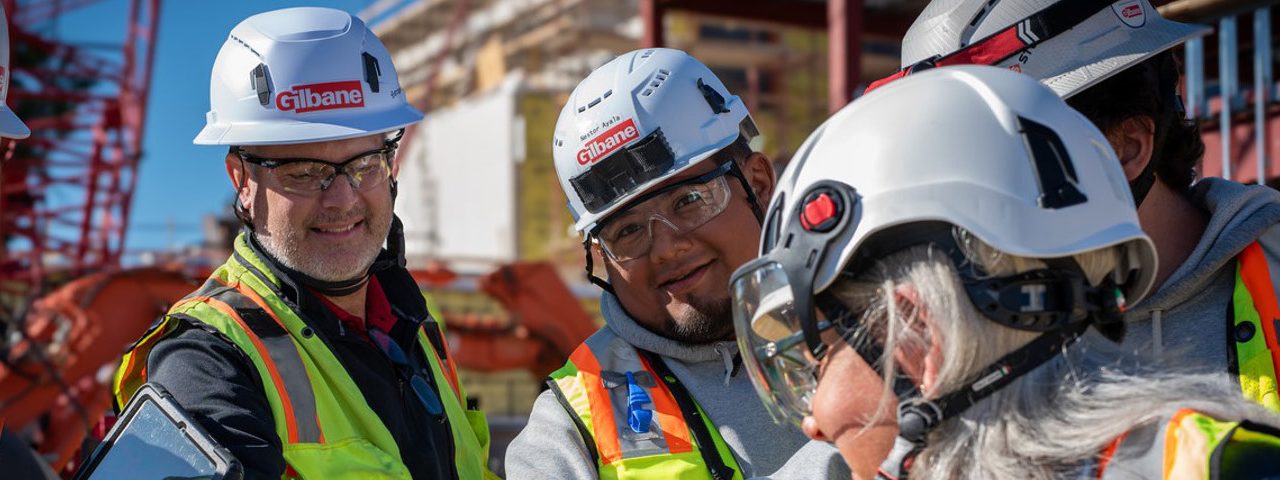
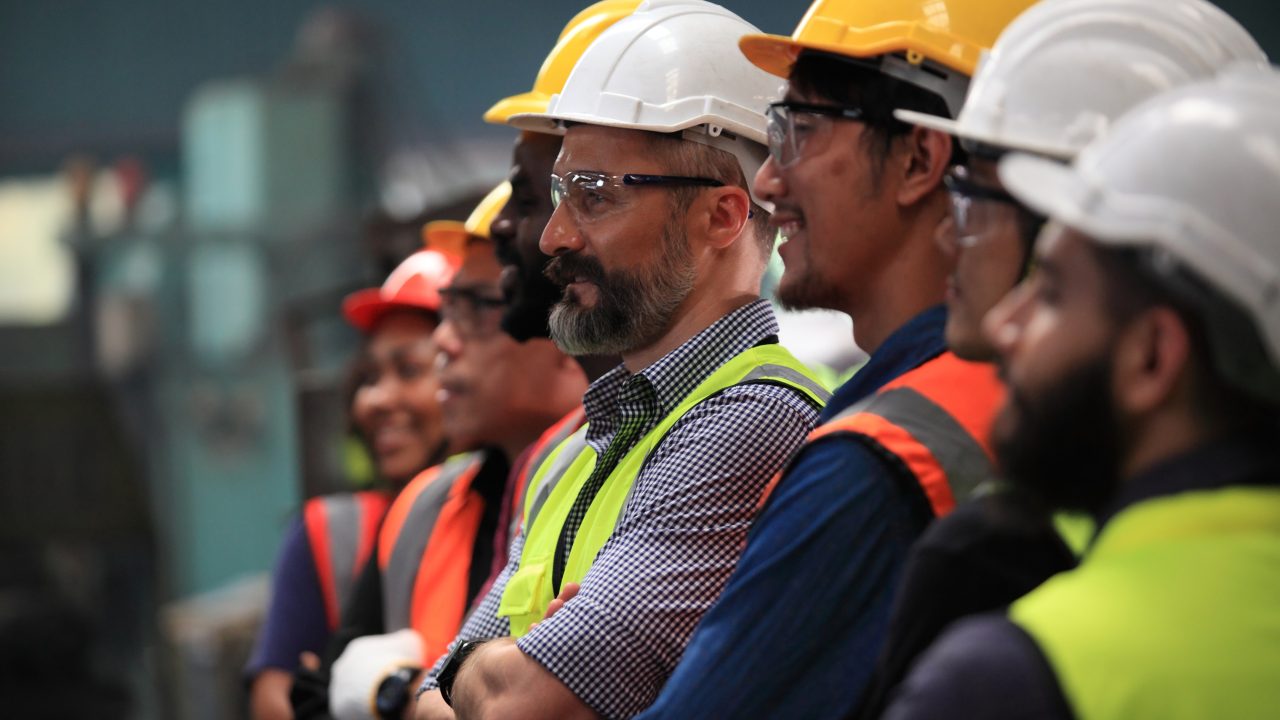
Full health and safety gear should be a permanent fixture for all staff and is one of the simplest ways to ensure safety, even when the unexpected happens. Anyone working on site should be required to wear a hard hat and steel toe-capped boots as a precaution in case of an accident.