Nearly 30 years ago the Magellan Corporation developed the first hand-held navigation device. It has been 20 years since the U.S. Department of Defense discontinued GPS accuracy degradation, triggering a significant upsurge in the use of location coordinates for commercial and personal use.
Field service organizations began to tap into vehicle location coordinates to track resources, improve scheduling and routing, and offer point-to-point navigation. With better availability of GPS-enabled intelligent handheld devices, location coordinates were further involved in day-to-day field operations.
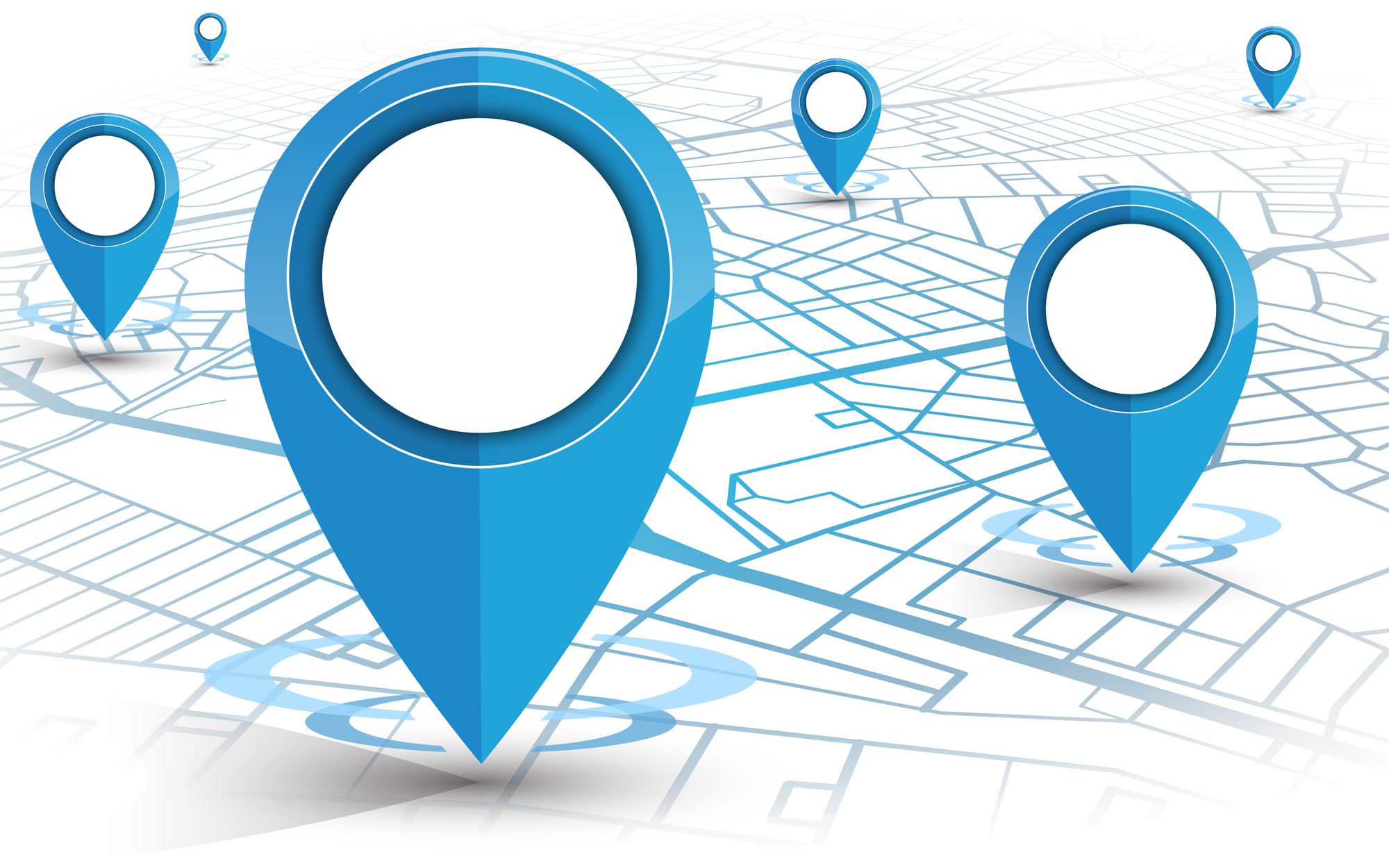
Now, geofences—virtual geographical fences created around a specific location—allow field organizations to trigger business rules or generate notifications as and when these virtual fences are crossed by technicians. These fences can be used to create greater operational efficiencies, promote technician safety and improve the customer experience.
Benefits inside and outside the service organization
Geofences can be inward-facing or outward-facing. Inward-facing fences are designed to keep people outside an area, such as restricted work zones, while outward-facing fences keep people inside—as in the case of designated service locations.
The greatest benefit geofences offer is the automated alerts and triggers that can be set when a field service technician crosses a fence. As most scheduling depends on technician location, the difference between where a technician should be and where they actually are can help the service organization make schedule adjustments.
If a technician has not crossed into a specific service area for a scheduled visit, the dispatch organization can assess the situation and act accordingly. This is particularly helpful if the service technician is required to be on a customer site in accordance with service level agreements or contract commitments.
In a more positive setting, the breach of a geofence by a field service technician can trigger related actions. For instance, if a technician enters a parts or supplies stocking location, agents on site can ensure the parts are available and ready for pickup. The parts pickup is confirmed and the customer is alerted that the field service event is taking place as arranged.
Focus on customer experience
Customer satisfaction cannot be underestimated. Research by McKinsey shows that brands that invest in the improvement of their customer’s journey can reap revenue increases as much as 10-15%, while lowering the cost to serve by 15-20%. A better customer experience drives customer loyalty and advocacy, both of which influence business revenue. It also creates the opportunity to build the business relationship with the customer.
While customers appreciate the convenience associated with these investments, they continue to expect a greater level of control over the field service experience. Therefore, the next influx of customer experience-focused enhancements must be designed around increased visibility and access across the lifecycle of a field service event, from pre-event cost estimates and travel to post-event work order closure and billing.
Field service leaders are beginning to see these benefits and take action. Until now, these organizations have generally prioritized improving the ease of scheduling field service appointments and reducing the time window in which such an appointment could be arranged. Other experience-focused enhancements have revolved around shorter and more accurate appointment windows.
No more waiting around
Field service leaders must improve their communications around a service event to proactively engage their customers and allow them to make necessary preparations—and geofencing plays an important role here. As a field service technician enters a designated customer site, the estimated time of arrival, event status update and technician identity can be instantly transmitted to the customer.
As a result, this allows the customer to undertake the necessary steps to prepare the site or piece of equipment for technician inspection. This eliminates the need for the customer to wait around for a technician and reduces the time a technician must wait to receive access to the equipment.
If a technician is delayed, customers are notified of this and any changes to arrangements the servicing organization makes. When the service is complete, the technician’s departure through the customer-focused geofence can automatically trigger post-event processes related to customer surveying, invoicing or ticket closure which can have further consequences on the experience delivered.
Constant improvement: Getting to know customer requirements
Not every customer will appreciate the value of these geofence-enabled enhancements, so customer feedback must be obtained to understand the ideal field service experience. To augment customer feedback, organizations need to be aware of the pain points of their customers at each stage of the service lifecycle and understand how the interactions with the service organization influence their operations.
Limiting the service-related impact on customer operations and minimizing the effort it takes to locate important service-related details can improve the customer experience and the service relationship. Easy and direct internet access to create service requests and check on coverage, current status or billing inquiries tends to be a good place to start, as it gives the service organization the appropriate platform to deliver additional value-generating services.
Expanding the realms of customer experience
Alerts triggered by geofences offer advantages to field service organizations that want to enhance operations and provide the best possible service to their customer base. Dispatchers, supervisors and field service leaders are all beneficiaries of the additional tools that geofence-based processes offer.
A better insight into a service event for both the service provider and customer means less waiting, confusion and disruption—and an overall more positive experience.