More women are entering the construction trades—but why? What—or who—is drawing them in? Construction Executive sat down with BELL Construction’s Director of Human Resources Alexzondra Fleetwood and BELL’s Senior Recruiter Melissa Higginbotham to discuss not only what is attracting more women into this industry, but BELL’s specific recruitment and retention efforts and Fleetwood and Higginbotham’s own journeys within this industry.
Fleetwood’s career began over 20 years ago working as a hostess and server at a restaurant in Southern California. She worked her way through college and eventually found herself in human resources in the healthcare sector. Then, when she saw a job opportunity arise in middle Tennessee, “I was really excited because the core values aligned with my beliefs and the way that I like to operate: safety, integrity, commitment, work-life balance.”
The daughter of a construction worker, Fleetwood felt no hesitation in joining BELL—a company with, she says, “a really good mission: building better one relationship at a time.”
Relationships were also a key player in Higginbotham’s career path development. While she began in human resources administration in the banking industry, “I always knew I wanted to work with people,” she says. After receiving a degree in human resource management from Trevecca Nazarene University, Higginbotham found herself at home at an engineering firm for the next 19 years and a variety of roles and exposure. But when it was time to make a change, “I knew it would be into construction,” she says, “and I’m so glad that I did.” She says she learns something new every single day at BELL; that the people are kind and professional and that there are so many opportunities to get involved within the company. “I love being a connector for people in the industry,” she says, “and helping them to determine what could be their next career pathway.”
While both Fleetwood and Higginbotham considered entering construction long before they actually did, what was it about this industry that enticed them? What finally drew them in and what is keeping them here today? Did they ever experience any discrimination or moments of doubt due to their gender? As more women are entering the industry, does gender actually give them an advantage? And, finally, how is BELL leading the way to welcome more women into this industry?
Is there a moment that stands out in your mind that has kept you at this company?
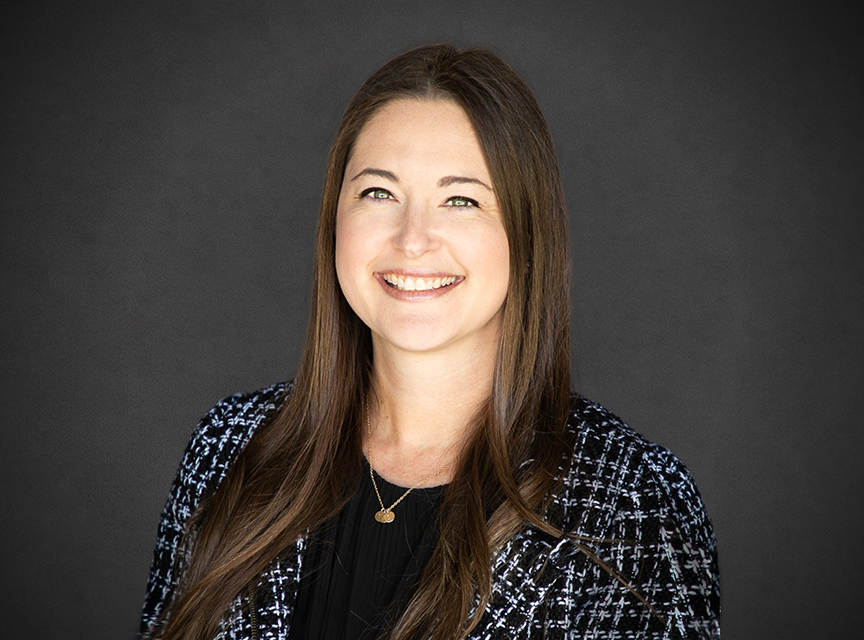
FLEETWOOD: If I had to choose one thing that keeps me at BELL, it’s the culture. I love (and hate) when people say a company is like a big family, but we do have a really close-knit culture. What I appreciate more, though, is that BELL understands that I also have a family. Work-life balance is really important to me, and they understand, promote and protect that time for all employees.
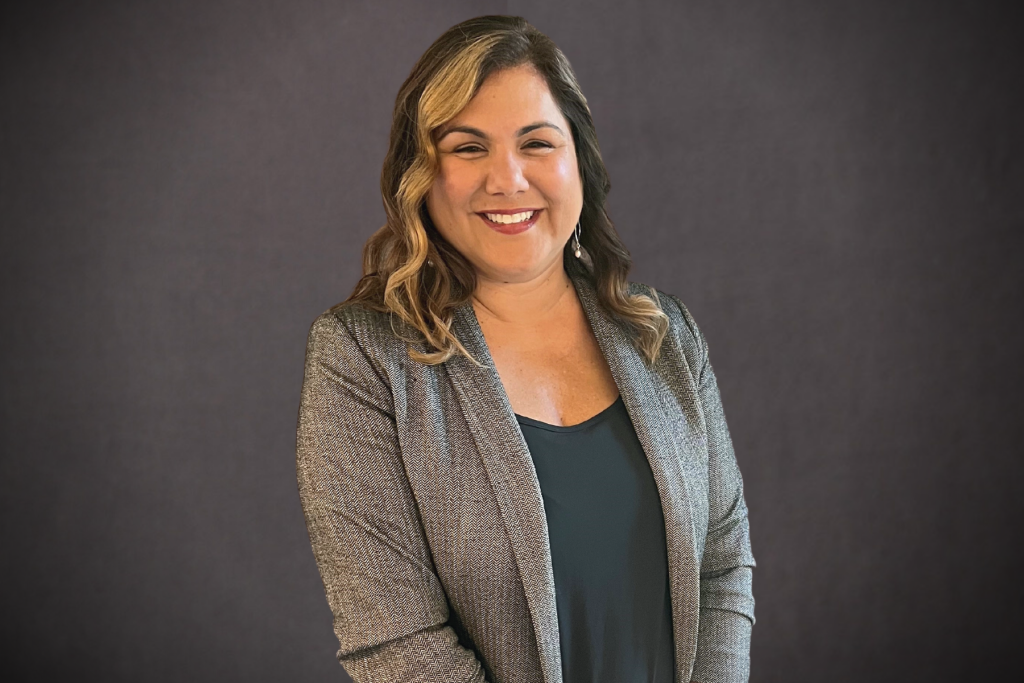
HIGGINBOTHAM: My favorite part is having conversations with candidates. I always tell people about how BELL is a learning organization: They invest in their people and everybody has skin in the game, which makes it equitable. If you’re willing to put in the hard work, BELL will invest in you as well. They’ll lay the foundation and guidance to support your growth, and how far you go is only limited by your willingness to learn and seize new opportunities.
Do you feel like you’ve ever been treated differently because you’re a woman?
FLEETWOOD: My recruitment process was thorough, and BELL was transparent about each step. At the time, I lived in California, but they made my transition as smooth as possible. Knowing that I didn’t have experience in construction, BELL made sure I met with a female leader when I first started. She took me to breakfast and shared more about her experience, potential challenges and what this role should look like. It was beneficial for me to hear her perspective on the company. She was positive, excited and energized. Most of all, she gave me the confidence to step into a new role in an industry where women are still underrepresented.
Transparency was woven throughout my entire interview process. I know that some people may think the construction industry is traditionally gender-biased, but I found that BELL’s approach is based on merit. They were looking for somebody who was committed to long-term growth and was people-first. From the very first conversation I had until the day that I actually started, the most prominent value I saw was authenticity.
HIGGINBOTHAM: I had a great experience during my interview process. They had a panel interview with both men and women, and it was clear that they wanted to ensure candidates felt good throughout the process. As a native Tennessean, I know BELL as a hometown contractor, which made me immediately feel at home. Here I am, almost four and a half years later. In turn, I strive to provide a good experience when other people are interviewing for opportunities here.
Do you feel there are instances where women in the industry would benefit from different support?
FLEETWOOD: I actually don’t. I have children and I have a husband who shares those children. He wants to spend time with them just as much as I do; he wants to be around when they need him. Having a baby is physically more demanding for the woman, but it is imperative for every party to have parental leave. The more we normalize that, the better it will be for everyone. I don’t expect to be treated differently. I expect understanding, flexibility and work-life harmony.
HIGGINBOTHAM: Everybody has a purpose for working. I work for my family. The cherry on top is that I get to work for an amazing firm that supports that mission. I’m a boy-mom first and that’s very involved—I’ve got one who’s competitive in sports. BELL helps me serve as a wife, mother and senior recruiter in human resources. I truly appreciate that.
What do you think the workplace would look like if men were offered these same types of benefits?
FLEETWOOD: I think most companies are realizing now, especially with new statistics coming out that indicate more than half the workforce is women, that they have to offer equal benefits. And if they truly want top talent, regardless of gender, they need to offer the same benefits. It’s been really great to see the changes in our industry. For example, BELL instituted new parental leave terms for all employees.
HIGGINBOTHAM: I think that companies are getting smarter about retaining their talent. It’s a competitive landscape right now, and you have to be creative to recruit and to retain people. The companies that are doing that are going to be on top.
Construction companies are if not recruiting then at least engaging students earlier and earlier. Is it ever too early to introduce a student to a potential opportunity in construction?
FLEETWOOD: I don’t think there is a ‘too early.’ As soon as someone realizes they are interested, they should get involved right away.
HIGGINBOTHAM: Getting started early is key. Teachers are just as hungry to find opportunities for their students as recruiters are to connect talent with businesses. We have elementary schools reach out to us for early career exploration, which is encouraging because it gives students a broader view of the careers available to them. Our field leadership is just as passionate about creating those opportunities. They will join me at speaking engagements and the students truly listen. It inspires the students—and me—and it’s helping us recruit young talent into the industry.
We recently started hosting signing days, similar to what you would see in sports recruitment. Now, others construction firms are doing the same. A young man we signed at an event last year has been with us for over a year, and we’re planning to do that again this year. Our workforce development program is absolutely paving the way to recruit young talent into the industry.
Learn more about BELL Construction and how the firm is creating new pathways into construction, including through the BELL Future Builders Academy, here.
SEE ALSO: NO HARD HAT REQUIRED: TRANSFERABLE SKILLS THAT OPEN DOORS FOR WOMEN