This is the first in a series of sit-down interviews with Matt Abeles, ABC’s Vice President of Construction Technology and Innovation. Discover where the industry stands on a variety of technologically focused topics at the height of current events.
Construction Executive: I got the sense that you like wearable tech. Why is that?
Matt Abeles: The reason I love my role at ABC is that it’s about creating impact in the industry. And that means bringing adoption of technology to construction that is going to help people do their jobs better, more efficiently, safer and, ultimately, assist all of them with winning more work.
So, I like wearables because unlike some other areas of construction tech, the adoption rate of wearables is significantly higher than some of the other things out there, like robotics or 3D printing.
CE: Is there a reason you think more contractors are adopting wearable technology?
MA: The wearable technology that’s being used is at a nominal cost with real, actionable items. To give you an example one of the wearables, Triax has developed a wearable called Spot-r that goes on your belt to track workers and improve safety. It can also track equipment so that wearable is tracking people as an asset, and it’s also tracking safety.
One of the other wearables that you’ll see out there is Guardhat. Everyone needs a hardhat, but this allows for a safer environment because it’s a wearable, so it can notify someone if there is an injury.
CE: Do you see contractors adopting more modern, everyday wearables, like smartwatches and Fitbits, etc.? Do you think that those are useful in the industry in any way?
MA: Let’s be perfectly honest. Could we do a better job of using wearables to track health? Absolutely. But some of those devices are costly. If you look at an Apple watch, for example you’re looking at a minimum spend of $300 to $400, each.
It’s an expensive piece of equipment that is not going to be supplied to individuals by companies. That’s not to say there aren’t a couple of cases of companies making that purchase, but I don’t see it happening industry-wide, especially on the jobsite.
CE: What kinds of trends might be practical for the jobsite instead?
MA: Given what’s going on with the pandemic, there are a couple of things that have happened that companies have reacted to. One is a watch that informed the wearer if they are not socially distanced properly. If the whole jobsite is fitted with the wearable, you’ll be notified if you’re too close to someone and it will generate a data report that will be sent to management.
The other thing that is getting more traction is virtual reality.
CE: Do you count VR as “wearable tech,” or do you view that as a league of its own?
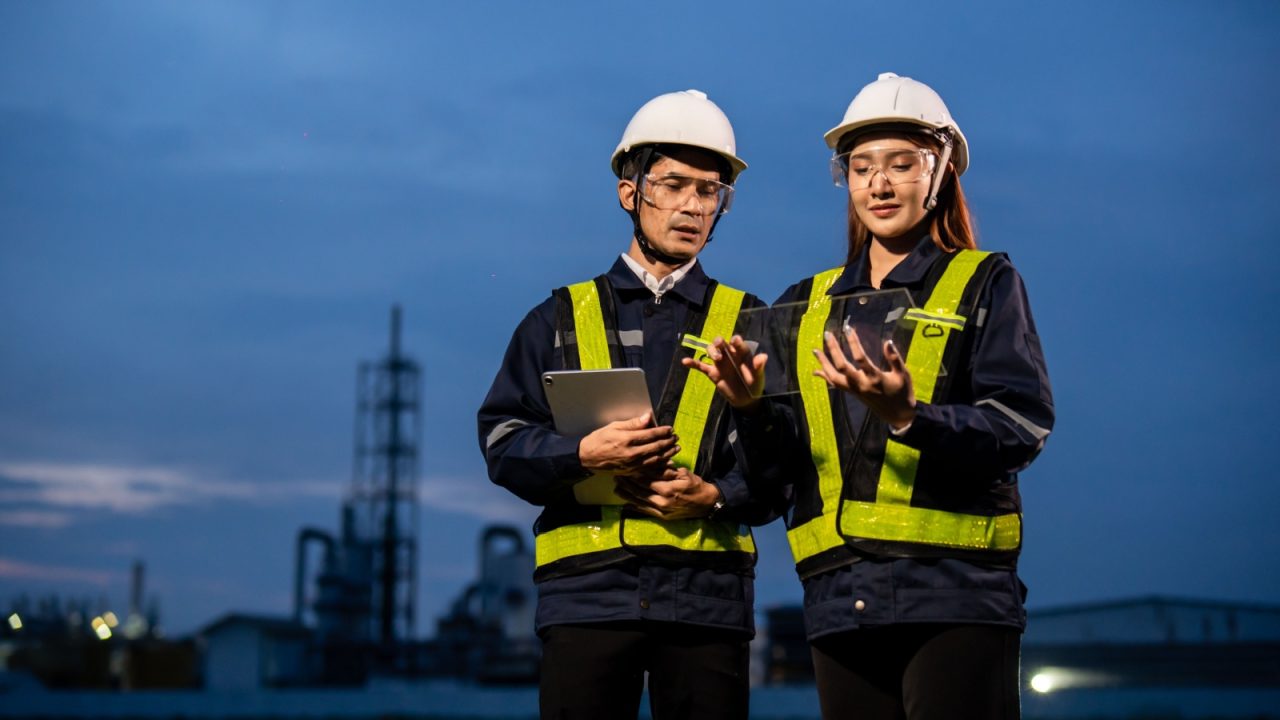
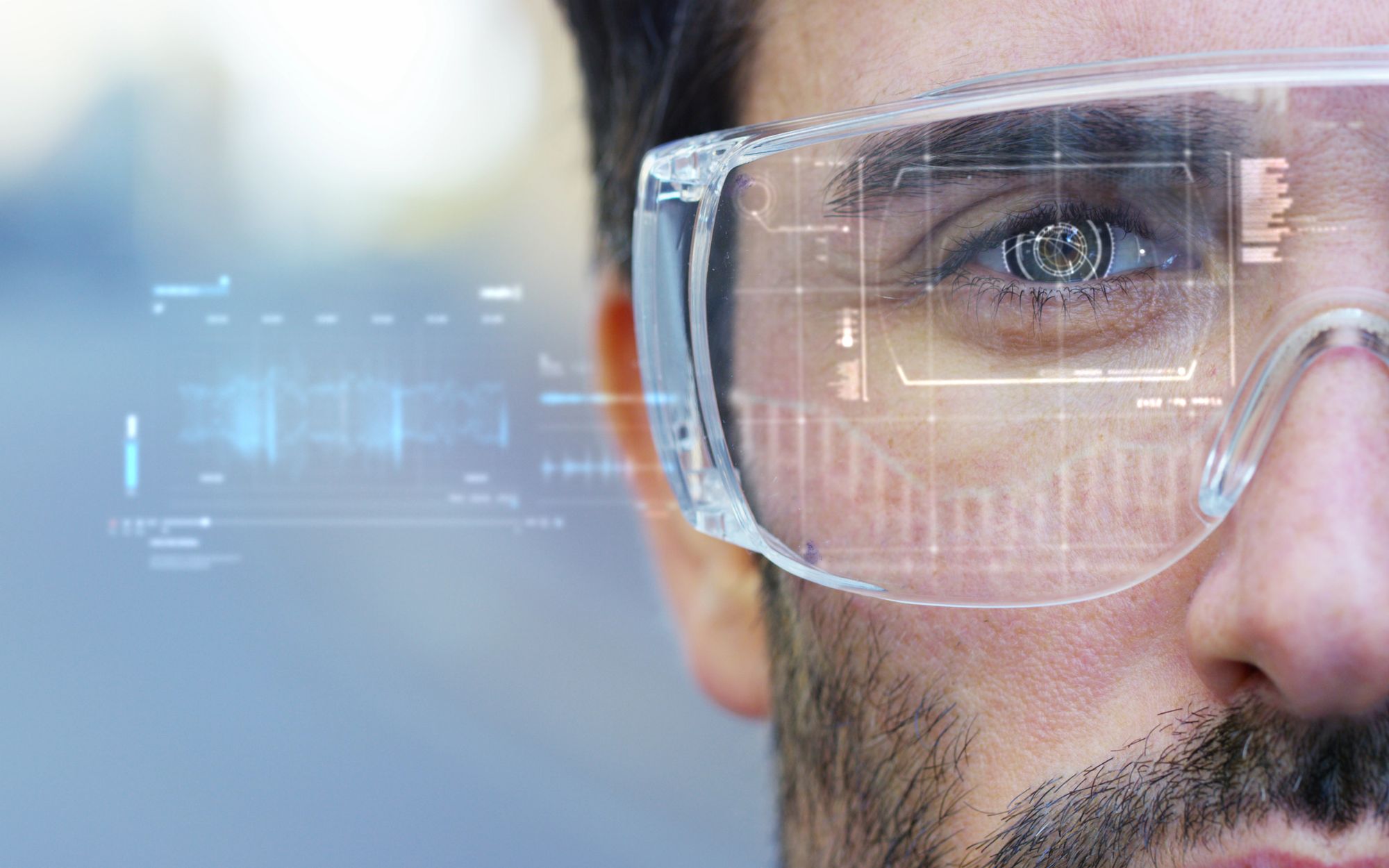
MA: I would define it as wearable tech because a person has a device physically on themselves. Virtual reality is being embraced a little more right now because you can have people from six different parts of the world put on their glasses and walk a jobsite together.
CE: Do you have the same opinion of augmented reality or do you think that’s on the futuristic side?
MA: I think that while the virtual reality usage I just mentioned is very useful during the pandemic, the world will be headed for augmented reality in the long-term. There are some downfalls to VR, like people who get headaches or that the headsets can be bulky.
CE: Is this something you think every contractor should have for the purposes of mapping a project? Is it vital technology?
MA: Not yet. AR is still newer, but that’s where I feel like that’s where we’re ultimately going to end up.
CE: So contractors may as well hop on the bandwagon?
MA: There’s a reason that AR and VR companies exist. There are a lot of companies that are focused specifically on construction and providing virtual reality and augmented reality services. It’s not something that is being deployed by the masses, but is something that is happening. And with the pandemic going on now, and having less people on the jobsite, companies providing what I would call a “visual command center” allow contractors to document the jobsite in a new way.
CE: What do you think the drawbacks are of wearable tech and virtual reality? Are there any for you?
MA: I think the drawback for VR is that it’s not as scalable as AR. AR is more realistic just because it’s lighter.
CE: What are the biggest draws of wearable tech?
MA: The wearable tech today, at a high level, can help you with tracking worker locations. It can provide you with information on a job, including health monitoring. In addition, it allows for offsite training. In a time where you have a changing workforce that is used to remote working, I think augmented reality will play a role on the training side of things.
They essentially make the jobsite safer, with less risk, while allowing for more productivity.