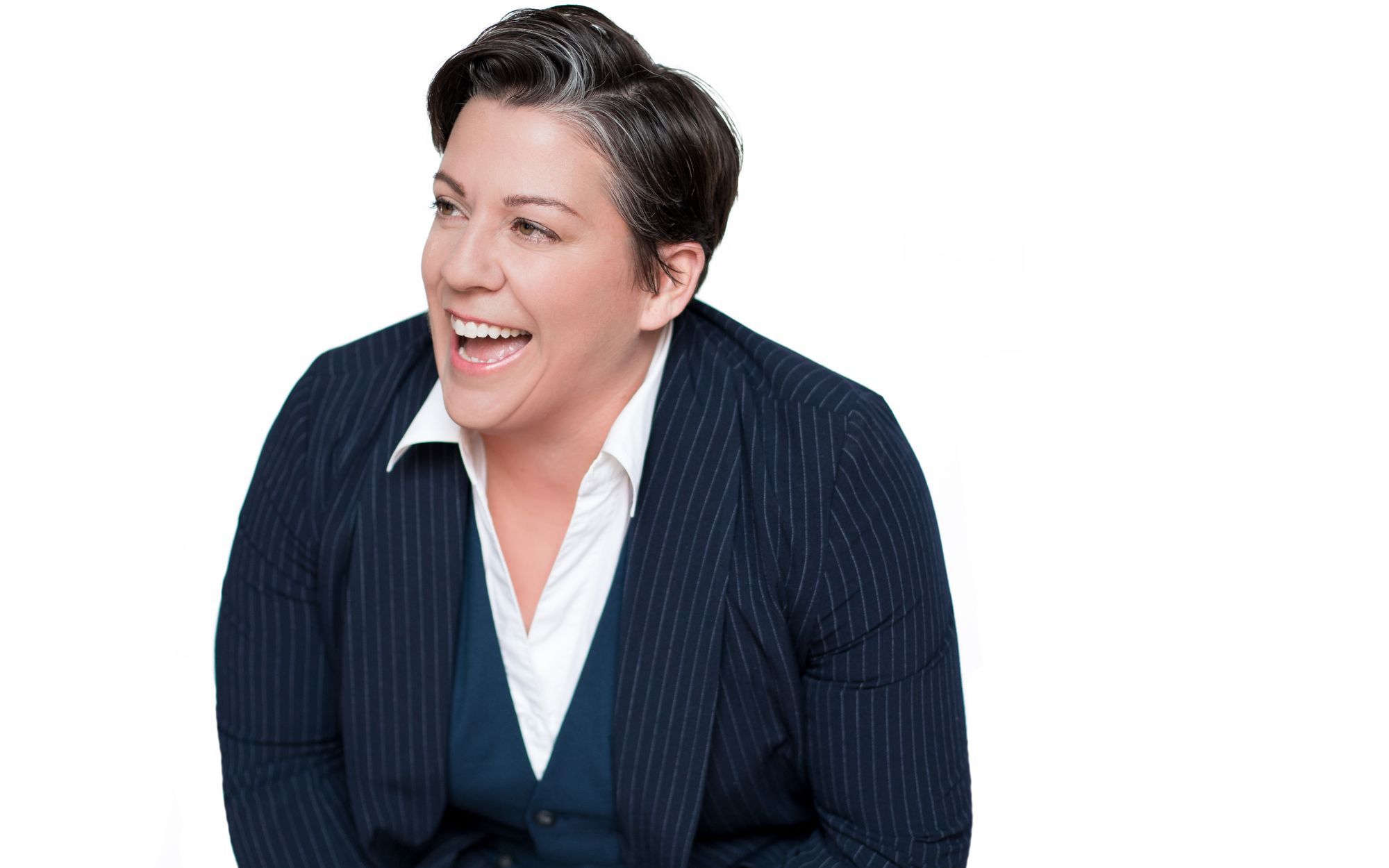
“There’s nothing about me that’s scripted,” says Mandy Rennehan, chief executive officer and founder of Freshco.ca, a full-service reconstruction and retail maintenance provider that operates across Canada and the eastern United States. Indeed, while Rennehan has numerous awards to her name—such as one of Waterstone Human Capital’s “Canada’s Most Admired CEOs 2018,” Atlantic Business Magazine’s CEO of the Year and one of Women Executive Network’s Top 100 Most Powerful Women – Hall of Fame—and an upcoming HGTV show called “Trading Up” in the works, her gig as a speaker, motivator and construction executive wasn’t exactly written in the stars.
Rennehan comes from a family of six in Yarmouth, Nova Scotia. Her father was a lobster fisherman and, as a result, money and food were often seasonal luxuries. Anxious to assist her family, Rennehan developed an early entrepreneurial spirit, foraging for bait and selling it to local fishermen at just age 10.
Then, at 18, Rennehan took things a step further. “I’ve got a pretty good personality, a lot of ambition and I know I love construction,” she remembers thinking at the time. So, she packed a dirty hockey bag full of her belongings and spent the next two years working for different trade companies in the area. From plumbing to tile to wood flooring to electrical and carpentry, Rennehan did it all. “I didn’t have the time or the money to go to school,” she says. “Even between doing jobs, I worked at night, as well as during the day when I could.”
Eventually, with the experience and knowledge she gained from working construction, Rennehan established Freshco. Now, 27 years later, Rennehan calls herself a “pilot project that went really right.” She’ll discuss her life, experiences and how to bring people into the industry during the opening general session at Associated Builders and Contractors’ Convention 2022 in San Antonio, Texas, this month. Prior to the conference, Construction Executive sat down with the self-described “Blue-Collar CEO” for an exclusive interview.
Q: You have noted several attributes that make you stand out: You’re a gay woman with dyslexia and depression, and you come from a poor family. Why do you think it’s important to talk about these issues so openly?
A: I really try not to leave anything out from my story, because I think it’s like a puzzle. If you bought a puzzle and there were a thousand pieces but, when you got it done, you figured out there were five missing, you’re going to be pissed off, right? I put all the pieces of the puzzle of my life together for people because, at the end of the day—whether it’s weight, depression, sexuality, gender—I’m not ashamed of anything.
Q: Why do you think you have been successful, despite these hardships?
A: I’ve always been known for being very authentic, despite everything. I don’t know any other way to be. Everything that I was—all of those characteristics—completely made me into who I am today. I think it’s important that people should know that anybody looking at my resume 27 years ago would’ve told me that I was an absolute, useless, going-nowhere human being.
I’ve never been a box. I don’t even know how to check the box. People find a lot of comfort in that, because society has told us that women need to be this and men need to be that. So, whoever is in the middle doesn’t know which way to go.
In my history, it never mattered that I was female or gay. I just literally related to people with who I was as a person. I would say that being poor, dyslexic and even gay worked to my advantage, because I worked harder than anybody—nothing was given to me, which is one of the biggest trademarks of my success, as well as that I was never trying to live within somebody else’s version of what they thought I should be.
Q: Do you think there is internal support from the industry for women?
A: The guys that are in the industry are awesome. A lot of times, when I’m at an event, they’ll come up to me and say, “Hey, Mandy, how do we get more women in my class/business/etc.?” I usually end up saying, “Dude, I believe that you want to bring women and diversity into your business, but you’re not set up for it. You need to invest in internal departments, equipment and tools that support what you’re saying.”
A lot of the men have no issue with women being in the industry, they just don’t know how to get them in there. They don’t understand that women need their own washroom, are primary caregivers, require different equipment and PPE.
That’s why I consult for different companies that I feel can make a difference—to help them realize that the reason my company has always been successful is because I am inclusive and diversified. Eighty percent of my company is female because I believe in talent and because I’m set up for them to feel comfortable.
Q: When you discuss leadership, philanthropy and mentorship, it becomes clear that you have your fingers in a lot of pies. What do you believe is the key takeaway from being so involved?
A: Being an entrepreneur is not as easy as swimming in one lane. You get good at operations, finance, relating to people—you have to be good at everything.
I didn’t pick entrepreneurialism, it picked me from a very young age. It’s almost like being an athlete; I’ve trained myself physically and mentally not only to lift other people but to lift myself up. I want to help everybody, and one of the ways that I fight depression is through realizing that giving to those who are willing to give to themselves fills my gas tank.
Q: Why are hugs important to you personally? Why have you chosen to integrate them into your speaking engagements professionally?
A: I can tell you that 98% of the population wants to feel an authentic hug from somebody who they respect (there are people out there who do not want to be hugged, and that’s their own thing). Maybe it’s because of where I grew up in Canada—our livers were pickled before we were born, so having fun and giving whatever we have to give is part of the culture. It’s about the intimacy behind human connection.
Q: What do you think is the biggest challenge facing construction and the trades into the next few years?
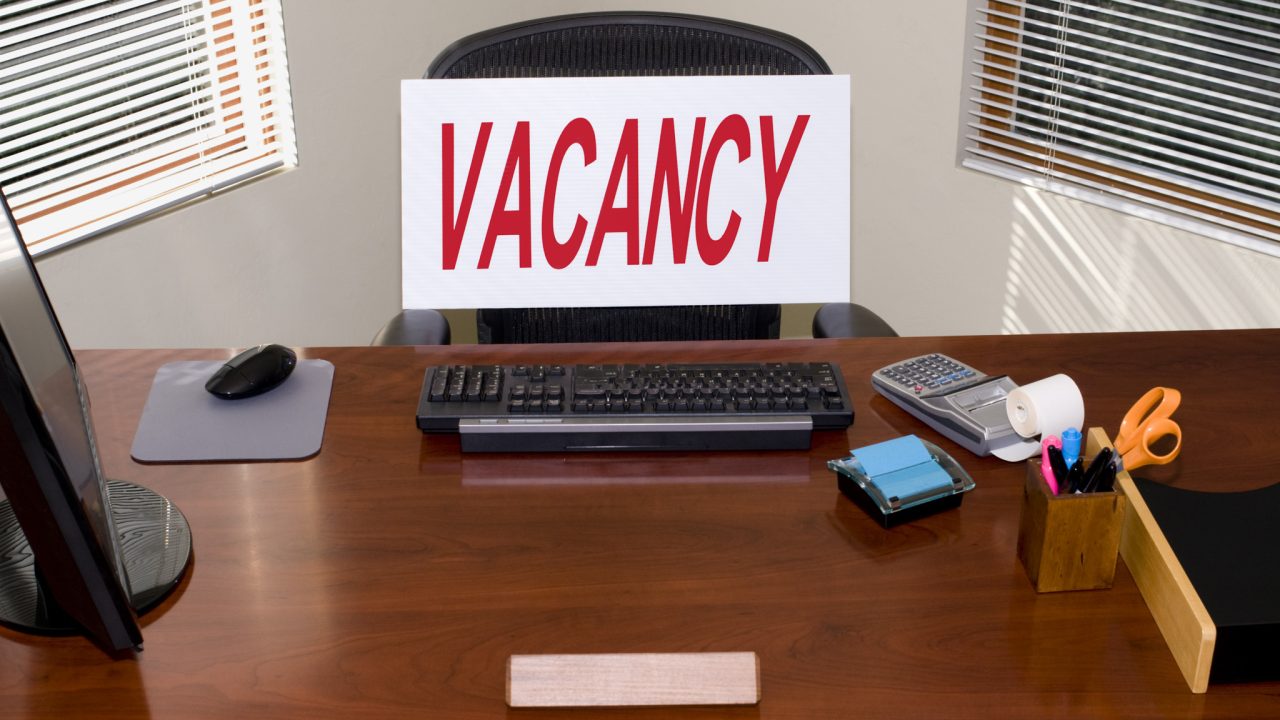
A: Being able to pivot is something our industry has never had, and the worker shortage was foreseen 20 years ago. It’s bad enough that there is peer pressure on young people not to go into the blue-collar industry. Why would they when it’s frowned upon?
Everybody wants to pinpoint the fact that white-collar workers are stylish whereas blue-collar workers wear overalls and have dirty boots. I don’t wear a $3,000 suit because I’m blue collar, I wear it because I’m stylish and I’m trendy. Right now, it’s about changing the narrative around the industry, because I believe that if you fix it fundamentally, the rest will follow. That’s why I’m out here going, “Hey, come over to the blue side of the track.”
Q: What is the solution to the workforce shortage?
A: I’ll tell you what the solution is. It’s me getting on a plane, talking in front of [the construction community]. I think that that’s where I’ve earned my stripes. Sitting in front of groups like you folks allows me to share all the things that made me what I am today, and also to share the secret sauce: I can’t do it alone. We have to look at it as an industry and say, nobody’s done anything wrong here, but it’s high time that we do something big together.
That’s what I want to talk about. It’s not just about marketing; that’s not good enough anymore. We need to solve the issue. We need to understand how we change the industry so that people feel comfortable and want to beat down our door to be in our industry.