When LEED was introduced in 1993 by the U.S. Green Building Council (USGBC), it was universally viewed as a turning point in sustainable design and environmental building performance. And considering the numbers 25 years after its introduction, there’s no denying it has made a significant impact.
According to the USGBC, more than 2.2 million square feet is LEED certified every day with more than 92,000 commercial projects achieving some level of LEED (Certified, Silver, Gold or Platinum).
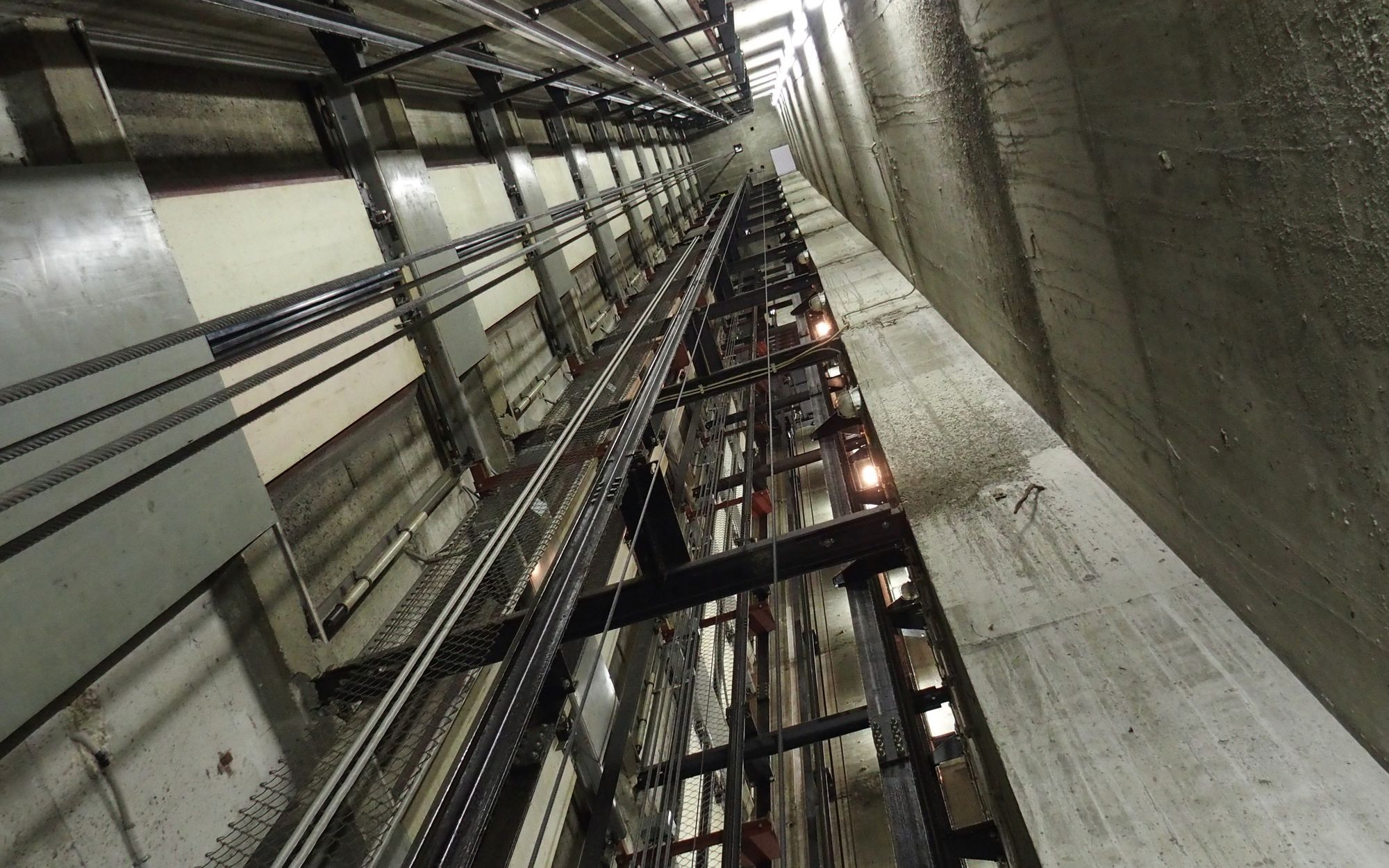
So how do elevators fit with LEED certification? Prior to LEEDv4, they didn’t. Elevators were excluded from LEED up until version 2009. Prior to LEEDv4, elevators were grouped as specialty equipment and lumped in with components such as HVAC plumbing. Credits were based on cost, and LEED viewed elevators and similarly constructed equipment as too complex and expensive and would skew the building’s low thresholds for credits. But the reality is that LEED could no longer exclude major key components if they wanted to truly change the way buildings are made, and that was reflected in the release of LEED v4.
As a result, elevators have become a key component to any green building, but as building owners and developers have pursued those LEED credits, they continue to miss the mark on creating sustainable buildings that look holistically at every product. To do this and ensure a long, healthy future for all generations, there has to be a universal commitment to prioritizing the material health of elevator systems in the same way the energy efficiency of these systems is prioritized.
Full Transparency
Material transparency is critical to achieving truly healthy products and buildings. To ensure the safety and health of products, suppliers must become fully transparent with their material health information in the same way they provide the same transparency to customers, affording them a choice in products. Transparency sounds easy, but it is very difficult for those pioneering the efforts.
This movement is comparable to the food industry transparency efforts of the 1970s. The Fair Packaging and Labeling Act required all consumer products in interstate commerce to be honestly and informatively labeled. Passed in 1966, that labeling wasn’t standardized until 1990. Think of how far food has come to allow consumers to make individual choices in the supermarket that suit their individual health standards. Labeling food was tough for the early adopters of packaged food, and there are similar challenges today, but the building industry can find hope by looking back at the food industry’s progress. With enough market demand, those same challenges can be overcome, and transparent products will become the norm, changing the entire supply chain.
So how can this be achieved?
It starts with the inclusion of Declare labels, which is a transparency platform and nutrition label created by the International Living Future Institute that shares where a product comes from, what it’s made of and where it goes at the end of its life. Vertical transportation suppliers should also pursue Cradle to Cradle Material Health Certificates as well as Health Product Declarations down to 1,000 parts per million disclosure for all cabs, doors and entrances.
Moving forward, it’s important for building owners, developers and architects to think of complex products including elevators in the same way they think of simple products such as furniture and carpet. The industry needs to rethink LEED point chasing via these simple products and focus more on how vertical transportation systems are truly making an environmental impact. Without an industry-wide commitment to healthier materials, there will never be a truly sustainable future for the next generation.