An executive for a well-known national general contractor walks into his lawyer’s office. They have a serious discussion about a power plant job running months behind.
“This job is snake-bit, Barry! We’ve had a fire, a chemical contamination, major foul-ups with a delivery of long-lead equipment, and the steel fabricator dumped so much steel at once that the delivery trucks were backed up for two miles from the site. But that’s not even my main problem.”
“It isn’t?”
“No. We manage through stuff like this all the time, even if it feels like there’s been more than usual on this job. My biggest problem … I can’t find the craft to get the work done. I am going to have to find a way to get a time extension here because the liquidated damages are going to kill me on this job.”
After scratching their heads for a while, they come up with a solution: a “labor force majeure” claim (i.e., the contractor claims there has been the equivalent of a 100-year drought in the labor market). The contractor cites a barrage of statistical data and an expert report from a labor economist, buttressing his conclusion that the failure to supply labor wasn’t its fault. That claim becomes the centerpiece in a hotly contested lawsuit between two industry giants.
This example actually happened in 2002. When the attorney first studied the claim, he scoffed at it. In the construction manager model, what does a general contractor offer except the ability to find and mobilize labor? But the attorney worked as and largely represented the general contractor, and found himself sympathizing with the contractor’s plight.
While researching the claim, the attorney came across a speech from the early 1980’s by BE&K founder Ted Kennedy called the “Seed Corn speech.” Farmers hold back seed corn from the harvest to seed the next year’s planting; if wasted, there is no future crop. Kennedy argued the construction industry was ‘eating its seed corn’ by not raising up the next generation of craft laborers.
If contractors were already dipping into their seed corn then, what about now, given the shifts that have occurred in the decades since? Following are just a few of those shifts:
- Overall decline in population;
- Major geographical dislocations of skilled labor due to weather events and industry shifts, such as Hurricane Katrina pulling traveling labor out of the deep south and oil shale and fracking work in the big sky states;
- Variability in immigration law and enforcement; and
- An overall growing construction market and economy.
Fast forward to today. A simple online search of “construction craft labor shortage” produces more than five million results. Statistically speaking, the industry is beyond full employment in most areas.
What is the industry doing and what is likely to happen?
Market pressure on wages will drive up prices. Americans are seeing some of the first real wage growth in decades and that will slow overall construction growth. Like it or not, the overall hot economy will eventually cool down some, and it likely will soon. While any downturn is hoped to be short-lived, it will ease labor pressures somewhat.
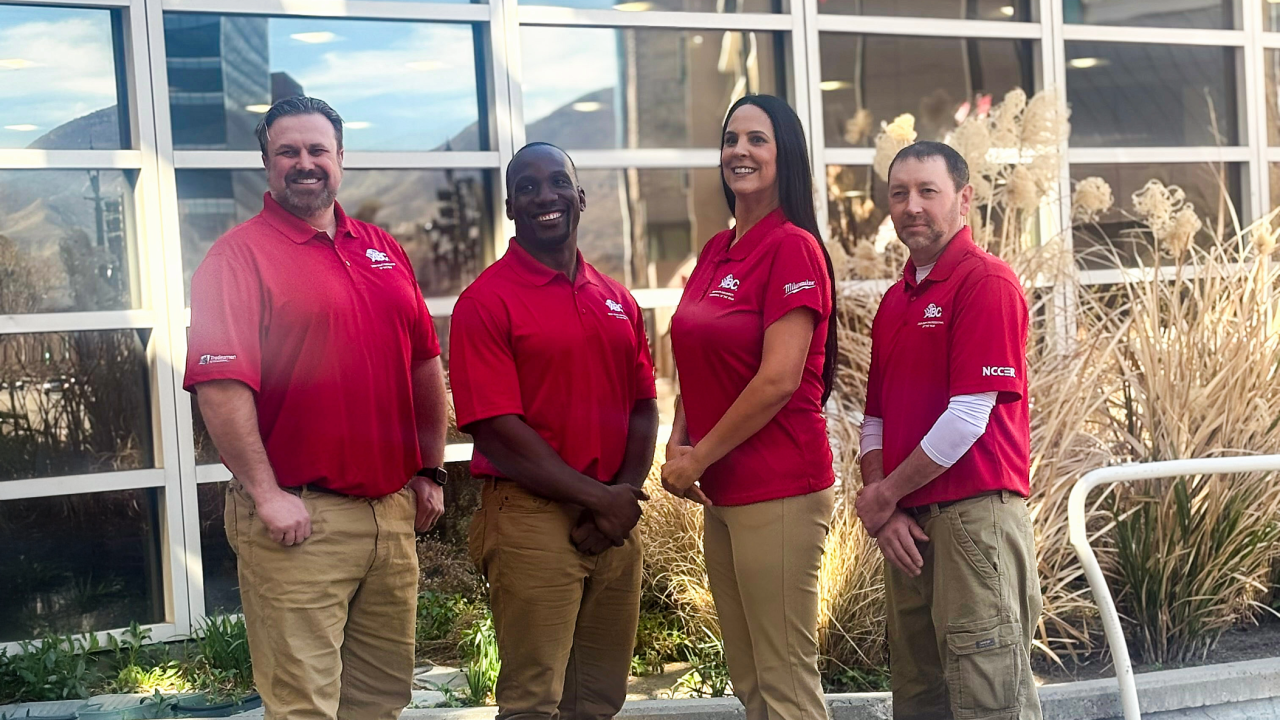
For the demand that remains, nearly every major trade organization is pursuing apprentice-like programs vigorously. One example is the Alabama ABC’s Academy of Craft Training (ACT), which focuses on high school students who have the academic credentials for college but may not attend for financial or other reasons. The program screens students carefully and has a high success rate, bolstered by financial support from the state. Such programs have a way to go, swimming against an education establishment that prioritizes STEM-graduates. But ACT and other similar organizations have created a significant toehold of understanding that construction jobs are well-paying, respectable employment for students who want a college alternative.
While immigration remains a wild card, the status quo hasn’t changed much. Geopolitical experts such as George Friedman call the declining global birthrate the single most predictive statistic in the world, noting that a liberalization of immigration is unavoidable as richer countries need laborers. If Friedman is right, these extra laborers will help meet the industry’s need.
In addition, the industry is getting creative with the way it recruits workers. Smart companies build a brand that people want to work for, offering a better workplace to draw (and keep) a better worker. They also use their networks, like other industry professionals, to help fill unique hiring needs.
The labor shortage has been around a long time. Contractors haven’t solved the problem, but it hasn’t broken the industry, either. And many industry stakeholders are taking some positive steps. Maybe it is a problem best described by the old saying: “Sometimes the things we can’t change end up changing us.”