The 2020s have been a bumpy ride for the construction industry, and it’s unlikely the path will smooth anytime soon. Economic, political and environmental uncertainties continue to cloud the outlook. The only sure thing for construction firm leaders is the need to recognize and tightly manage the risks ahead.
Here’s a look at what’s on the horizon.
A CONTINUED BUFFETING OF THE BOTTOM LINE
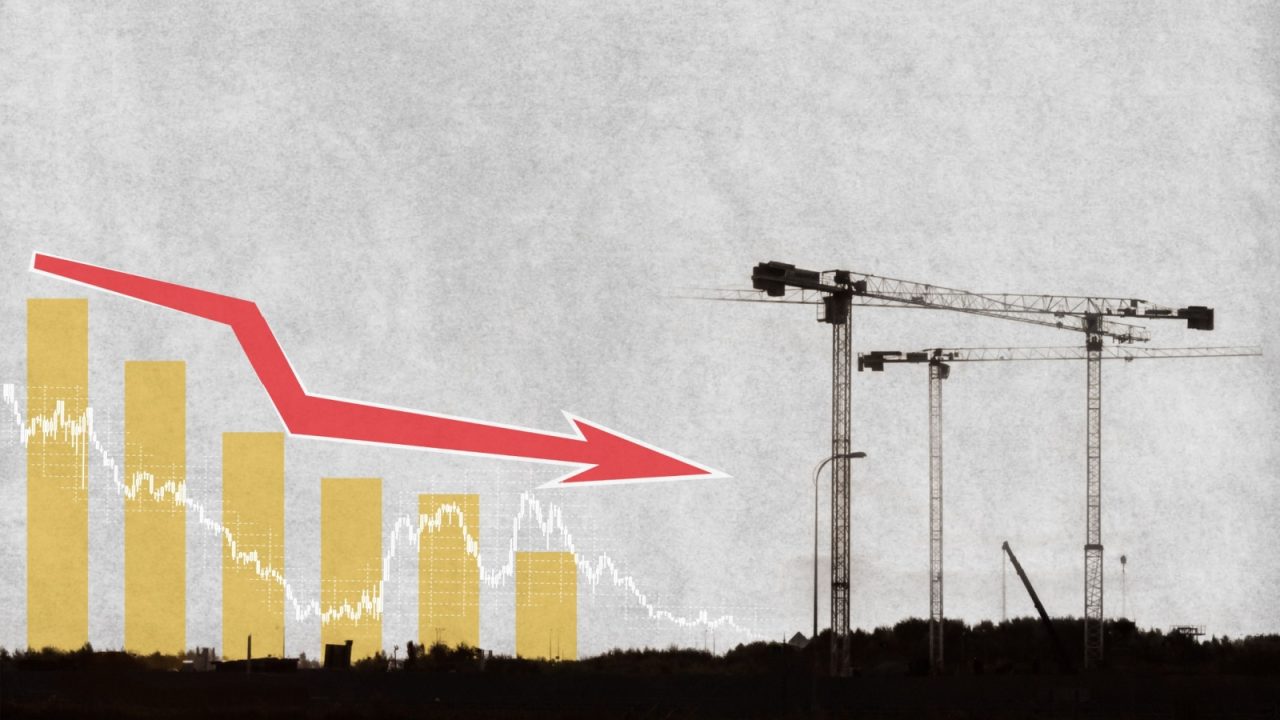
Construction spending is expected to cool in 2025 amid ongoing and looming risks like potential aggravations to a dicey labor supply and escalating defaults on commercial loans.
Total new construction spending is projected to reach $2.145 trillion in 2025, hitting $2.340 trillion by 2028. Nonresidential construction spending is only expected to increase 2%, stalling after this year’s anticipated 7% gain. But as inflation and interest rates ease, single- and multi-family residential construction is expected to grow by 12%.
While it seemed cooling inflation and lower interest rates would have a beneficial effect on new projects, recent market shifts, legislative actions—like the volatile state of the tariffs—and the resulting fluctuation in materials costs may halt this cooling off.
Prospects for commercial construction projects are also sure to be colored by the systemic risk of $2 trillion in commercial real estate debt now maturing. The commercial mortgage-backed securities delinquency rate hit 7.57% in December 2024, when the office delinquency rate hit 11.1% and over $2 billion in office loans became newly delinquent. The subsequent pullback in commercial lending puts a damper on the construction industry’s prospects.
An unpredictable business environment will require tight financial controls. As bigger and riskier projects—and more of them—continue going strong, firms will need experienced guidance on alternative insurance options and risk transfer mechanisms, like parametric insurance and retention strategies.
A LABOR SHORTAGE
The shortage of skilled workers that’s become endemic to construction may relent somewhat in 2025 by about 50,000 to a deficit of 450,000. But there’s a lot of uncertainty around the immigration policies of the new administration. Construction’s share of non-U.S. citizen workers is the highest of any industry at 2.45 million out of 11.38 million employees. Proposed deportations would aggravate the shortage.
The quest for solutions goes on. Apprenticeship programs, for example, continue to gain traction. There’s been a 40% growth in registered apprenticeship programs in the last ten years, more in construction than any other industry. The industry’s wider use of technology won’t replace workers, but may enhance productivity. It also makes construction jobs more attractive in terms of safety and skills acquisition.
Benefits have a big role to play in turning the shortage around. In addition to wages and health insurance, this includes policies that deliver against individual circumstances and needs. Childcare benefits, for example, can help attract more women to the field. And mental-health benefits are key to combat the industry’s high rates of suicide. A program of personalized benefits does more than encourage engagement and productivity. Over the long term, it improves recruitment and retention.
STRENGTHENING RESILIENCY IS ESSENTIAL
The promise of continued uncertainties in 2025 will test the resiliency of the industry. Weather extremes, for example, are a huge and costly variable that disrupt project timelines and jeopardize workers. Extreme heat causes more deaths of outdoor workers; adjusting schedules accordingly makes physical construction work take 38% longer. Further sapping the industry are the risks of unpredictable materials costs and rising commercial loan defaults.
Solutions lie in practices like modular construction, which are gaining traction. Expected to hit $89.4 billion in 2024 and jump to $151.48 billion by 2032, modular construction offers economic advantages and safer working conditions. Further, it also provides an entry point to the complex mega construction projects (think data centers) valued at over $1 billion that started surging in early 2024.
What should concern construction leaders is the effect of catastrophic weather events, supply-chain constraints and inflationary environment on insurance costs and availability at required limits. Their broker partners should be at the ready with alternative insurance products that will make a difference in trying conditions. That’s a big part of the risk management stakes for the new year.
It’s worthwhile to look at parametric insurance, for example. This pays policyholders when weather thresholds pass a prespecified mark as an alternative to traditional insurance programs that don’t cover losses associated with, say, heatwaves. Another alternative is project-specific insurance. This is customized for the job; coverage and costs are shared among owners, general contractors and subcontractors. It also insulates and protects the rest of the business if there is an incident or claim on a large project.
The construction industry is resilient, but there are still many ways for companies to better prepare for whatever the rest of 2025 may bring.
SEE ALSO: A GENERAL CONTRACTOR’S GUIDE TO PROJECT AND INFORMATION RISK MANAGEMENT