In today’s construction environment, every executive understands the importance of risk mitigation. They build entire strategies around it: contingency planning, procurement buffering, subcontractor prequalification and, yes, even tariff management. They know that an unexpected spike in materials costs or a delay in the supply chain can derail a project’s timeline, budget and reputation.
And yet, when it comes to one of the most consistent and controllable risks—worker safety—some companies are still operating reactively.
Safety isn’t a line item. It’s not a box to check or a binder to dust off before an audit. For construction leaders who want to build companies that last, safety needs to be operationalized, woven into the workflows, rhythms and decision-making of the business. Not just because it protects people, but because it protects everything else.
Safety has been traditionally thought of as a compliance function: Are forms up to date, are workers trained, have inspections been passed? Safety is often where workflows break down. From laborers to construction company owners—and even laborers who become construction company owners—workers are asked to complete daily assessments on paper. Foremen are asked to collect and file training certificates manually. Superintendents keep track of inspection forms across five different subcontractors. And all of this happens in an environment where people are under pressure to stay on schedule, hit production targets and manage crews on the fly.
The result is that safety becomes a fragmented process, one that’s managed on the margins. Meanwhile, safety managers are drowning in administrative tasks—chasing paperwork, scanning documents, auditing spreadsheets. Instead of enabling a safer jobsite, they’re stuck protecting the business from liability.
Why Safety Tech Has to Work Like a Tool, Not a Task
If you hand a carpenter a hammer, you don’t need to explain how or when to use it. The tool fits intuitively into the work. That’s what safety tech needs to become: a tool that fits the flow, not a task that interrupts it. For a long time, safety technology has focused on documentation, digitizing forms, storing certificates and generating reports. But if that data isn’t accessible to the people who need it when they need it, it’s just more paperwork.
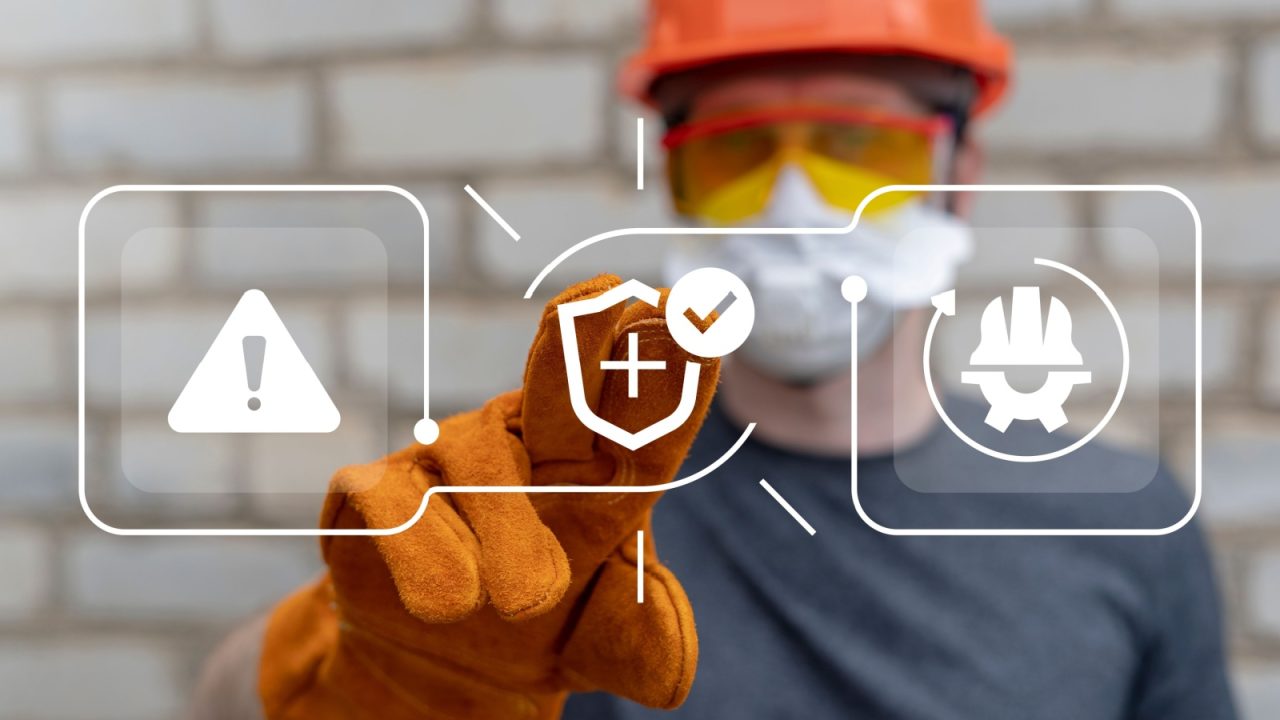
What construction executives need today is field-first design, mobile-first experiences that don’t assume workers have email addresses or the latest smartphones, and systems that are easy to use, will work across devices and can integrate with the platforms already in place, from scheduling to asset management. If field crews are to actually engage with safety protocols, it cannot be treated as a separate task. It needs to be embedded in the daily routine from start to finish: pre-task planning, toolbox talks and end-of-day closeouts.
Here’s the uncomfortable truth: The burden of safety doesn’t just fall on safety officers or project managers—it falls on leadership, and many construction executives agree. When something goes wrong on site, the executive gets the call. It’s the company’s name in the press. It’s the brand and business that carries the weight of liability.
Often, contractors are more afraid of what they can’t see that they could plan for. That’s where technology makes the invisible visible. It creates audit trails, flags missing documentation and shows you where your exposure is—before something happens. The ROI isn’t just regulatory. It’s reputational. It’s operational. It’s about proving—to clients, insurers, regulators and your team—that your company is doing the right thing, consistently and intelligently.
Construction leaders have gotten better at forecasting external threats, such as tariff volatility or geopolitical disruption. They track steel prices, hedge against material shortages and pre-buy or delay shipments based on economic outlooks.
Why? Because they’ve seen what happens when they don’t. Safety is no different. If it is treated as an unpredictable variable, relying on static processes or lagging indicators like EMR, companies set themselves up for exposure. Just like tariffs, the risk is real, but it’s measurable and it’s manageable if approached proactively. A proactive safety system is like a procurement buffer—it won’t eliminate every risk, but it will dramatically reduce the chances of catastrophe and give your team the tools to respond quickly and intelligently.
Moving From Safety Officer to Safety Infrastructure
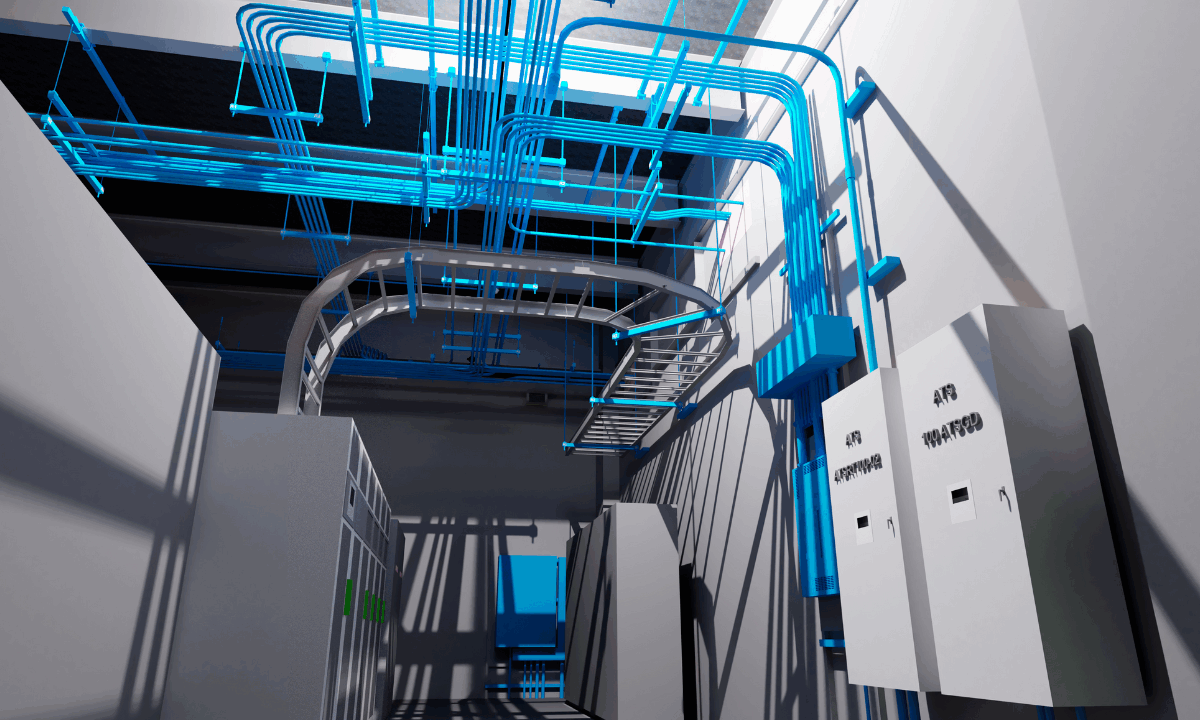
One of the most important shifts construction leaders can make is to stop thinking about safety as a department and start treating it as infrastructure. Just as companies invest in BIM to improve coordination, or project management software to control scope and cost, they need to invest in systems that make safety efficient, accountable and data-driven.
That starts with empowering safety professionals not as compliance enforcers, but as strategic operators. In many ways, the evolution in safety mirrors what is happening with finance teams: bookkeepers become controllers, then CFOs. They’re now expected to drive insight, not just track numbers.
Safety must be elevated in the same way by giving leaders the tools and a seat at the table and letting them drive adoption of technology that frees them from reactive workflows and allows them to spend more time mentoring, training and improving site performance.
The construction industry is at an inflection point. Margins are tight, projects are complex, labor is scarce and reputational risk is higher than ever. The companies that win in this environment will be the ones that see safety not as overhead, but as a competitive advantage. They’ll be the ones who integrate safety into the DNA of their operations, just like they do with quality, scheduling or budgeting.
Technology isn’t the whole answer, but it’s the infrastructure that enables better answers, reducing blind spots, streamlining reporting and empowering people, from the C-suite to the field crew, to take ownership of safety in real time.
It’s not just about digitizing the past, but building the future—where safety works as intuitively as any other part of the job. Because at the end of the day, the safest companies won’t be the ones with the most paperwork. They’ll be the ones where safety is operationalized, optimized and owned by everyone.
SEE ALSO: SAFETY, TECH AND SUSTAINABILITY COMBINE TO SHAPE SCHOOL DESIGNS