You’ve all heard the cliché: If you fail to prepare, you should prepare to fail. When it comes to natural disasters, that cannot be more true.
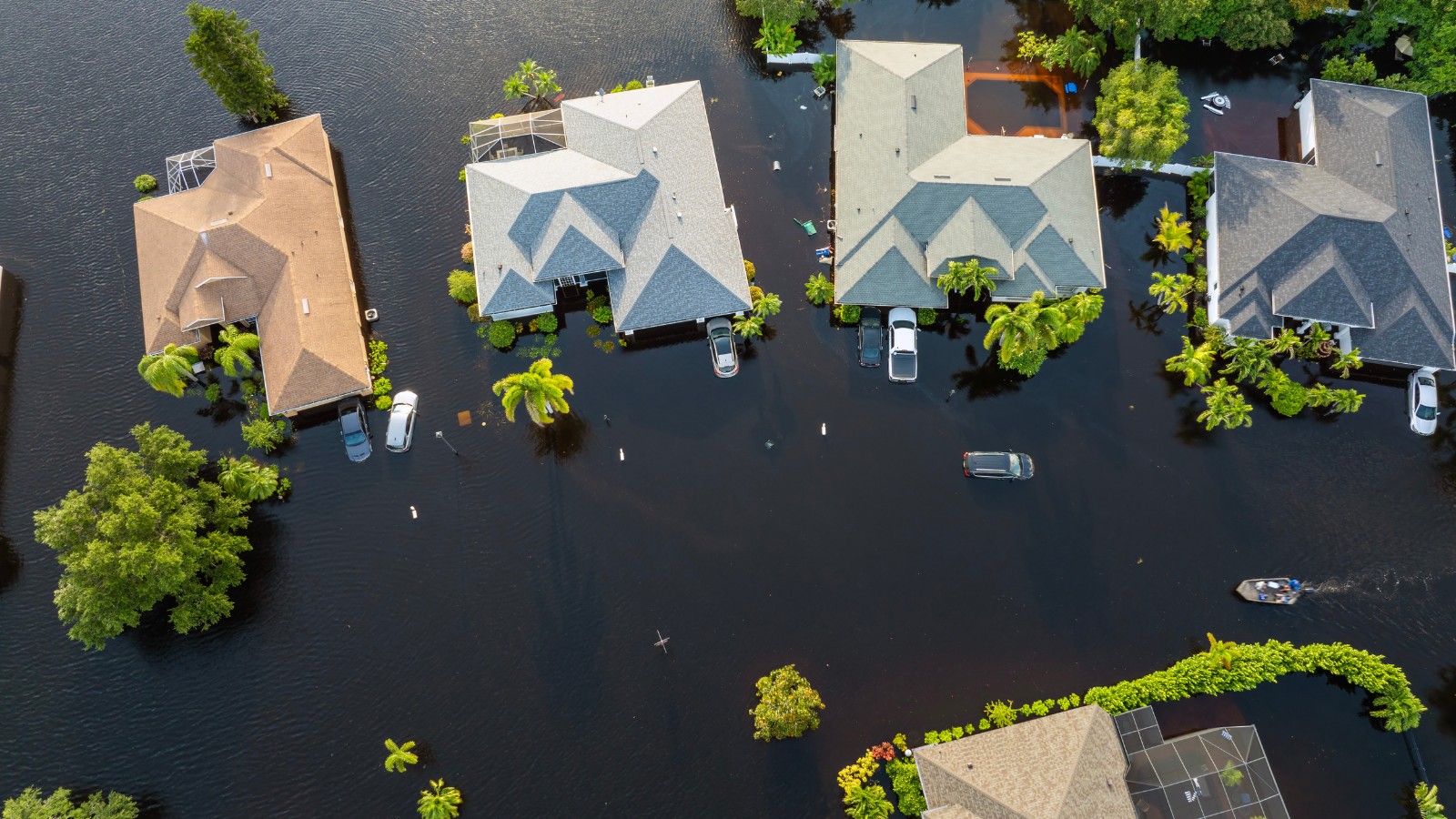
From hurricanes to flash floods to forest fires, the last few years have been riddled with more natural disasters—and subsequent disaster recovery—than in recent history, and those disastrous weather patterns are only projected to ramp up in both frequency and intensity.
Where does the construction industry stand as the 2025 hurricane season—which caps the tail end of a summer both unnaturally wet and dry—ramps into high gear? Considering the widespread devastation left in the wakes of Hurricanes Helene and Milton last fall, which spread from Florida to the Carolinas; the Los Angeles fires this January; the Texas flash floods this summer; the potential-tsunami panic from Hawaii to the West Coast following an earthquake off the coast of Russia; and all the increasing incidents of thunderstorms, tornados and other events in between, what is a contractor’s role when it comes to recovery and restoration after a natural disaster?
Industry professionals from across the country spoke with Construction Executive on their efforts—which they say all begin well before the storm season.
As a long-time resident of Tampa, Florida, ABC Florida Gulf Coast President and CEO Steve Cona III has lived through his fair share of hurricanes, both as a community resident and industry leader.
Down the coastline in Naples, Florida, Paul O’Callaghan, a project executive at GCM Contracting Solutions, helps the company build smart marinas and, subsequently, protect those marinas—and their contents—from weather damage. Although originally from Ireland, O’Callaghan has lived in Florida for decades and thus lived through—and learned from—numerous intense weather events.
As CEO of Vodaland—a terrain development company—Martin Alan oversees all operations in the U.S., Puerto Rico and the U.S. Virgin Islands, so he has experienced his fair share of inclement weather, spanning urban, suburban and rural environments.
Proactivity is a common theme among the advice and insight each shared. While there is no perfect approach to disaster mitigation, preparation can help to alleviate restoration. Heading into the fall months and final weeks of storm season, Cona, O’Callaghan and Alan hope to impress upon the industry what they preach—and practice—everyday with their own colleagues, clients, member companies and community.
How has 2025 compared with past years regarding natural disasters in your region?
CONA: While 2025 has been quieter so far, the back-to-back hurricanes we experienced last year, Helene and Milton, were a wake-up call. We’re still seeing the effects, and the entire construction community understands that every season must be approached with a mindset of year-round preparedness.
O’CALLAGHAN: We’re expecting an above average hurricane season for 2025, between 13 and 19 named storms. Six to 10 of those storms will be hurricanes and three to five will be major hurricanes. That suggests a much more active season compared to our historical average. We have to employ whatever technology we can to keep an eye on weather predictions. There is a significantly increased flooding risk it seems each year as we go forward.
ALAN: We definitely see increased news coverage of national disasters. I think it’s because they’ve been more damaging than in the past. Everything we do is pretty much preventative—water direction systems, trench drains or erosion control. We get the most phone calls two to three months after a flood or other natural disasters. Hurricane season has definitely been huge over the last three or four years and we see a pivotal movement to get ahead of the curve with preventative measures. We see the direction that it’s been going so we’re being more proactive.
How do construction companies work with increasingly complicated/comprehensive insurance policies? How do they work with recovery efforts when there is no insurance?
CONA: Insurance policies have become more difficult and costly to manage, so contractors are working closely with legal and risk consultants. When insurance doesn’t cover the loss, we’ve seen companies step up and offer manpower, equipment and materials to help communities recover because that’s what this industry does.
O’CALLAGHAN: The one thing you know is that they’re busy. It’s really difficult. We do have people who understand that process and have worked through it before; we’ve got a small business administration that does disaster loans; and we do have a couple of people in-house that are well versed in how to set that up, how to communicate and work with entities like insurance or FEMA. But everybody is involved: local government, state government, federal government. Everybody comes together and works together and does what they can do as quickly as they can. To me, that is really impressive.
ALAN: There’s a joke that we say here: For every new certification you need, someone made money, right? Because there’s some sort of lawsuit that happened that prompted the need for that certification. But really what happens is our engineers or city planners will come to us and specifically state what their needs are, what the water flow rate needs to be, what the material needs to be, and we design systems for them. Not only do we have stock items, but everything that we carry is customizable as well. So we go where the wind takes us when it comes to cities and municipalities because, yes, they are very different, there’s not a standard product that we will put in every single situation. We definitely conform to the audience based off of their installation needs.
How do construction companies triage in the immediate wake of a disaster? Is there a particular experience that sticks out in your mind that exemplifies best practices?
CONA: The first priority is life safety and access. Our members pre-position crews and equipment so they can get to work the moment conditions allow, clearing roads, stabilizing structures and supporting emergency response teams. That early action makes a huge difference. After Hurricane Milton, one of our contractors had pre-positioned fuel, generators and supplies ahead of the storm. Within hours of the all-clear, their crews were out restoring access and supporting community shelters. It was a perfect example of how preparation translates into immediate impact.
O’CALLAGHAN: A lot of that comes from preparation beforehand—triage afterwards. We’re preparing our sites and obviously we’re preparing our teams. We work with the city and the county. We have mandatory checklists that the company and the city will send out for existing construction sites. The most important thing is that everything is tied down, potential missiles or projectiles are removed, people are evacuated and everyone is safe. Sometimes, it’s not as bad as what was predicted and other times it’s much worse. So making sure everybody’s safe beforehand is key. Afterwards, it’s hazard identification. We don’t know what’s going to be on a jobsite after a storm, whether there is standing water or what’s in that water. It could be alligators, could be glass, there could be things hanging off the side of the building. So, we have to do a hazard identification and then get in and secure the site, remove those dangers, remove the hazards, and make sure it’s safe for us to go back in and start restoration.
ALAN: It’s an unfortunate thing, but we do know where to go at what times based off of disasters. With the recent Texas floods, we’ve been in touch consistently with general contractors and their rebuilding efforts. With the California fires that burned away so much brush, we all know what comes after heavy fires, and that’s mudslides because there is zero water absorption at that point. So we definitely know where the traffic is going to be coming from and that is where we plan our proactivity.
How is technology evolving to aid disaster prediction, prevention and recovery construction strategies?
CONA: Contractors today are far more proactive. We’re integrating GIS flood mapping, NOAA forecasting and real-time weather alert systems into our project planning. These tools help anticipate risk before a shovel hits the ground, especially in flood-prone areas.
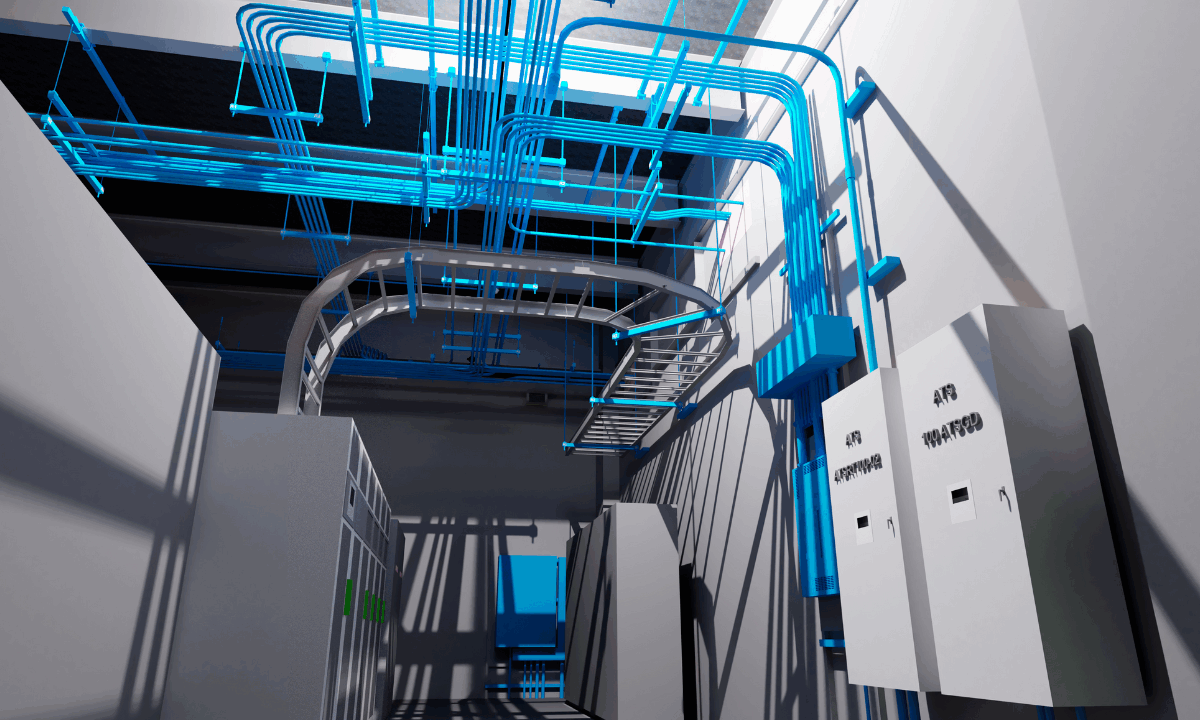
We’re seeing drones used for quick damage assessments, AI modeling for predicting infrastructure risk and BIM systems that help simulate flood and wind load resilience. Modular construction has also become a major asset during rebuilding. It’s fast, flexible and cost effective.
O’CALLAGHAN: It’s incredible what we’re getting from AI, what we can learn about it and how we can use it for predictive analytics, hydrological data and so on. Digital twins can simulate different disasters scenarios and that helps us to look at what we’re building and make sure that the designs are compliant as we’re getting stricter and stricter codes. Collaboration and knowledge sharing is key to tracking that new tech. We go to the chamber of commerce and we sit in there with a bunch of people, whether they’re construction-related people or realtors, bankers, lawyers, whoever they may be. We all sit in there and we share information with each other. There’s a lot of collaboration and knowledge sharing in those meetings that is very beneficial if you want to keep up with what’s going on, what the changes are, what the new technology is, how AI can help you.
ALAN: What we’ve seen more than anything isa lot more attention to water removal technology. And we lean on our shrink drains as our primary product lines of course, so when new construction’s being built, whether before or after these disasters, what you’re seeing is a lot of surface area water removal. Trench drains are getting wider to remove more water. We’re seeing parking lots and bridges with massive water removal technology. You’re also seeing a lot of that done in landscaping as well. You’re seeing a lot of reservoirs being built. You’re seeing ditches next to rivers and flood areas get higher. In cities, they’re not cutting corners, especially with flood mitigation technology; they’re making sure that they’re definitely putting the carriage in front of the horse, if you will. So people are being a lot more proactive with tech for sure.
How can the construction industry help quell community fear following a natural disaster?
CONA: When people see construction crews mobilizing, rebuilding schools, homes and infrastructure, it sends a powerful message that recovery is happening. Our members also volunteer, host donation drives and assist with shelter efforts. We don’t just rebuild structures, we help rebuild lives.
O’CALLAGHAN: The first thing we prioritize is our own staff. We had two of our team who lost their houses, totally lost everything. What help can we give them? Can we find them temporary accommodation? They’ve got nothing left so we’re helping them any way we can. We get our team sorted out, then we go to all of our clients and we do not take on new work until we have resolved all the problems with our clients. For us, helping and communicating with our clients is the emotional support—literally talking to people who have been without phones for a week or two weeks, who are unable to communicate. Being able to communicate with them and keeping them updated on what’s going on, giving them timelines, talking to as many people as we can. People just feel totally remote when they can’t get out of their houses, when they haven’t got power. Communication is a big part of the emotional help that all of our team strives to provide.
ALAN: We pay attention. This goes along with being proactive. When something strikes, we are calling our engineers and our general contractors in those regions. What can we do to help? What kind of deals are we going to be able to give you? Let’s start designing something that’s going to prevent this in the future. We’re not just making products and waiting for distributors to buy them. Our slogan is ‘reinventing the environment’ because we know it’s consistently changing and, again, we want to make sure that we are being proactive.
Are there best resources you recommend to contractors for keeping up to date on accumulated stats, weather patterns, alerts, etc.?
CONA: Contractors should be plugged into FEMA’s RAPT tool, NOAA alerts, the National Hurricane Center’s GIS feeds and the Florida Division of Emergency Management. Apps like Everbridge or StormGeo can deliver customized alerts to your team in real time. Staying informed is the first line of defense.
O’CALLAGHAN: Firstly, there are so many things coming in from AI that we don’t even know what’s going to be here in the near future. But make sure you’re monitoring the IoT where you’ve got all these weather stations interconnected that are able to give you reports of what’s going on, what’s coming in, reports from satellites and the weather stations. There are dedicated weather services for businesses and construction.
ALAN: We’re actually working on a new product for engineers and general contractors. They’ll be able to take an account of waterfall for each time of the year; the slope that they’re utilizing and how that influences erosion; it’ll calculate exactly which system they need to prevent any damage.
What can we expect for the rest of 2025?
CONA: As we move through the peak of the 2025 hurricane season, contractors across Florida are prioritizing resilience and readiness like never before. The back-to-back hurricanes we faced last year underscored the importance of being proactive instead of reactive. For the remainder of the year, the construction industry can expect to see greater emphasis on storm-prep planning, supply-chain prepositioning and jobsite fortification ahead of any weather threats.
The mindset has shifted. Contractors are no longer asking, ‘What do we do if a hurricane hits?’ They’re asking, ‘What do we need to have in place before it hits?’ That change in approach will define the rest of 2025 and beyond.
Florida contractors are builders, but they’re also community first responders. We’re proud to see our members taking that role seriously.
O’CALLAGHAN: It’s an ongoing thing. To be truthful, it should be throughout the year. So we have set cleanups continually on a construction site, whether it’s hurricane season or not, it makes the site safe. And also it’s quicker for preparation. On most of the sites, we have inspections, we have site meetings and we make sure that things are stored in the correct areas so that when we do need to batten down the hatches, it’s a much easier process. We have independent safety advisors that come in each week and do presentations and inspections onsite. So it is ongoing.
ALAN: What we would always predict, especially in the southeast, is very fast water coming in, and you can’t do a lot about that with trench drains, but what we can do is to try to protect the erosion capacity in that area, because it’s not necessarily always the water that causes damages; homes are moving, erosion is happening, hillside erosion, literally trees falling down. So, we’re already beginning the conversations, and you should too.
What do mitigation and/or recovery efforts look like when the disaster crosses city or state lines? Do you coordinate with other ABC chapters and/or companies often to facilitate clean-up, rebuilding, etc.?
CONA: All five ABC Chapters in Florida are in lock step when it comes to storm response. We coordinate across regions to ensure resources flow where they’re needed most. The ABC East Coast Chapter’s ABC Cares Foundation has been a vital support system, providing rapid, red tape free relief to help our members’ employees recover from disasters.
Is disaster mitigation built into the design-plan process?
O’CALLAGHAN: A lot of the contractors [around Naples] that I meet with are residential—they’re builders. They go in, they put things together, build some beautiful homes, but not that many do design-and-build. So I can talk to people about how we influence design early on—we know what the codes are—as opposed to getting a set of design drawings and spending two or three months reworking them. We are in preparation mode right at the concept stage and we’re working all the way through. We’ve always wanted to be able to influence and have control of the design and that’s a huge benefit [when it comes to disaster preparation and planning].
How does disaster mitigation differ in urban environments/big cities versus more rural/less densely populated areas? How does it differ on the coast versus more inland?
ALAN: When it comes to our work and when you’re talking about intercoastal versus coastal, we’re really talking about flooding, corrosion and erosion. We’re using corrosion resistant materials on coastal sites. Intercoastal is going to be a lot more traffic-based erosion control, for situations like flood runoff. Residentially, we see a lot of issues with rain in people’s garden beds, and then on the industrial side, like airports and highways, you’re talking about much heavier water removal. Unfortunately, for situations like the Texas floods, we won’t know exactly what or where the problems were until that starts drying up. We cover a lot of sectors simultaneously which lends itself to a lot of different insight.
SEE ALSO: EXTREME WEATHER EVENTS SHOW WHY THE CONSTRUCTION SUPPLY CHAIN NEEDS A RISK MANAGEMENT TRANSFORMATION