The construction industry, long associated with traditional methods and labor-intensive processes, is undergoing a radical transformation. Faced with challenges such as inefficiencies, labor shortages and rising global infrastructure demands, the sector is embracing new technologies to revolutionize productivity and safety. Innovations such as modular construction, artificial intelligence, robotics and digitization are establishing new benchmarks for efficiency, cost-effectiveness and safety. These groundbreaking advances are making an impact on the future of construction.
Industrialized Construction: Redefining Project Timelines
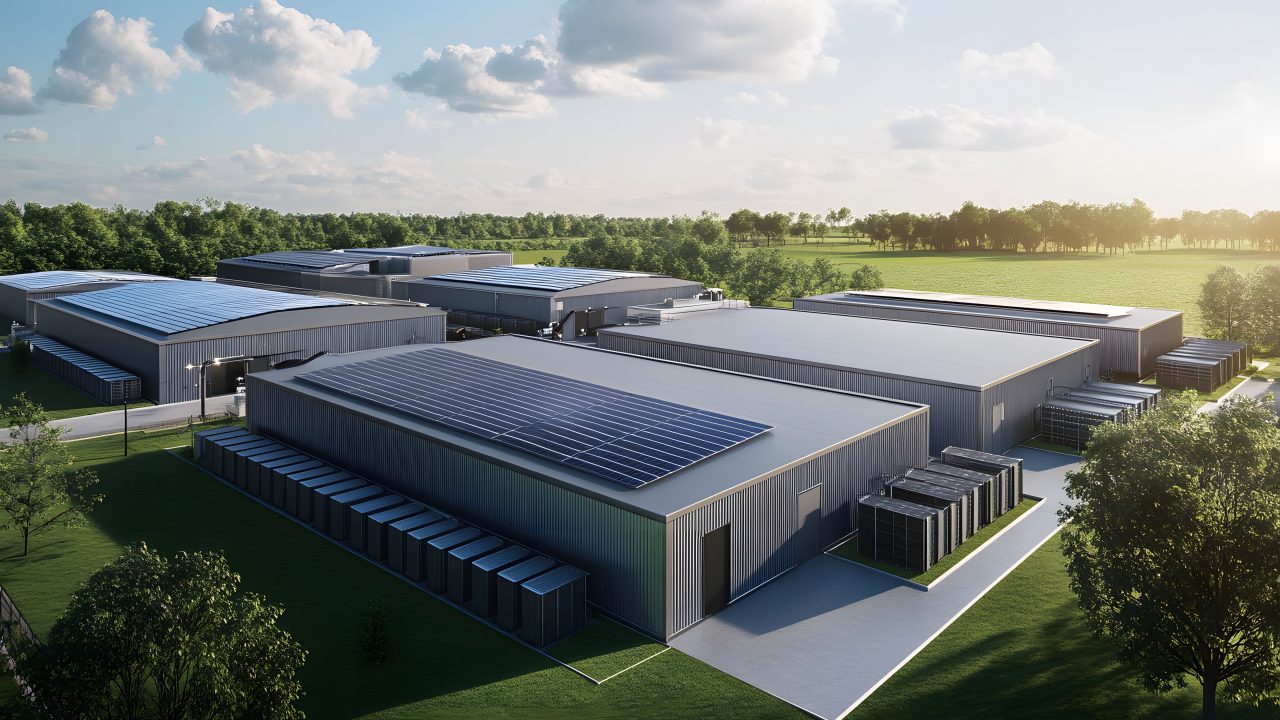
One of the most significant shifts in the construction industry is the widespread adoption of industrialized construction, such as modular construction and prefabrication techniques. These techniques involve assembling building components offsite in a controlled environment before transporting and installing them onsite. Benefits include:
- Speed and Efficiency: Since components are manufactured concurrently with site preparation, overall project duration is significantly reduced. According to McKinsey & Company, modular construction techniques allow home builders to accelerate end-to-end project timelines by 20-50%, while reducing costs by up to 20%.
- Environmental Sustainability: Controlled factory conditions lead to reduced material waste, lower carbon footprints and fewer emissions from construction activities.
- Improved Quality: Standardized manufacturing processes ensure consistency and reduce the risk of human error.
- Enhanced Safety: Offsite construction minimizes workers’ exposure to hazardous conditions, decreasing the likelihood of accidents.
Such construction is particularly beneficial in sectors such as healthcare, hospitality and affordable housing, where rapid deployment is critical. With the demand for sustainable and cost-effective solutions rising, prefabrication is poised to play a pivotal role in the future of construction.
AI and Robotics: Transforming Jobsites With Smart Technologies
The integration of AI and robotics is revolutionizing the way construction sites operate. These technologies drive improvements in efficiency, precision and safety while enabling workers to transition into specialized roles. Consider how AI-driven robotics and drones are transforming the jobsite:
- Autonomous Equipment: AI-powered machinery, such as robotic bricklayers and autonomous bulldozers, enhances productivity by performing repetitive tasks with exceptional precision and speed.
- Drones for Site Monitoring: Drones equipped with high-resolution cameras and LiDAR sensors provide real-time aerial imagery and data, allowing project managers to monitor progress, identify potential issues and ensure safety compliance.
- Predictive Maintenance: AI algorithms analyze equipment-usage data to predict maintenance needs, reducing unexpected breakdowns and costly downtime.
One notable AI breakthrough is the use of machine learning algorithms to calculate accurate lift and brace hardware locations for the erection of enormous tilt-up concrete walls. Such applications enhance the overall efficiency of construction processes.
Digitization: Harnessing the Power of Data for Smarter Decision-Making
The digital transformation of the construction industry enables more informed decision-making and optimizes project execution through technologies such as building information modeling, the internet of things and virtual reality.
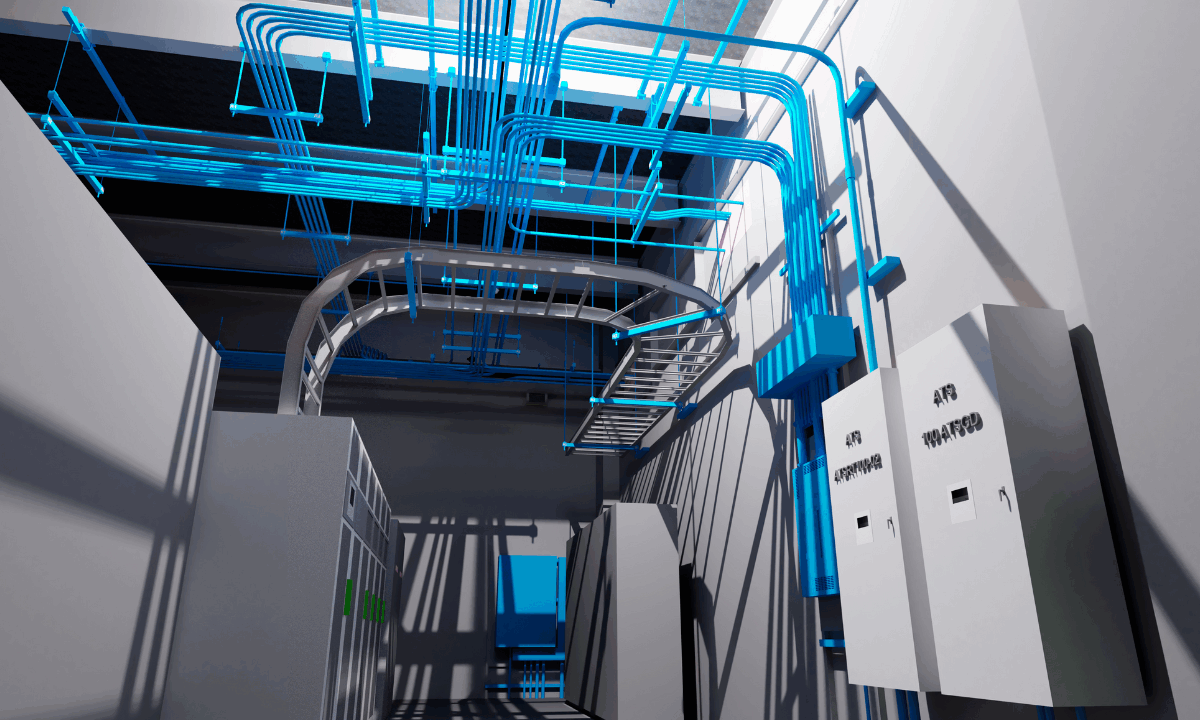
BIM is a game changer in project planning and execution. This intelligent 3D-modeling tool provides a collaborative platform where architects, engineers and contractors can design, visualize and simulate projects before construction begins. BIM enhances coordination, reduces errors and improves cost estimation.
IoT devices and smart sensors are revolutionizing construction by providing real-time data insights that drive efficiency and safety. They provide construction companies with several sophisticated capabilities:
- Predictive Risk Analysis: By analyzing vast amounts of data, IoT sensors can predict potential safety hazards and structural weaknesses before they become critical issues.
- Resource Optimization: Smart sensors track material usage, energy consumption and equipment performance, allowing for more efficient resource allocation and reducing operational costs.
Finally, virtual reality and augmented reality provide virtual walkthroughs of construction sites, enabling stakeholders to identify design flaws, enhance training programs and improve project visualization. AR applications overlay digital information onto physical environments, guiding workers in complex tasks and reducing human errors.
Addressing Workforce Challenges Through Innovation
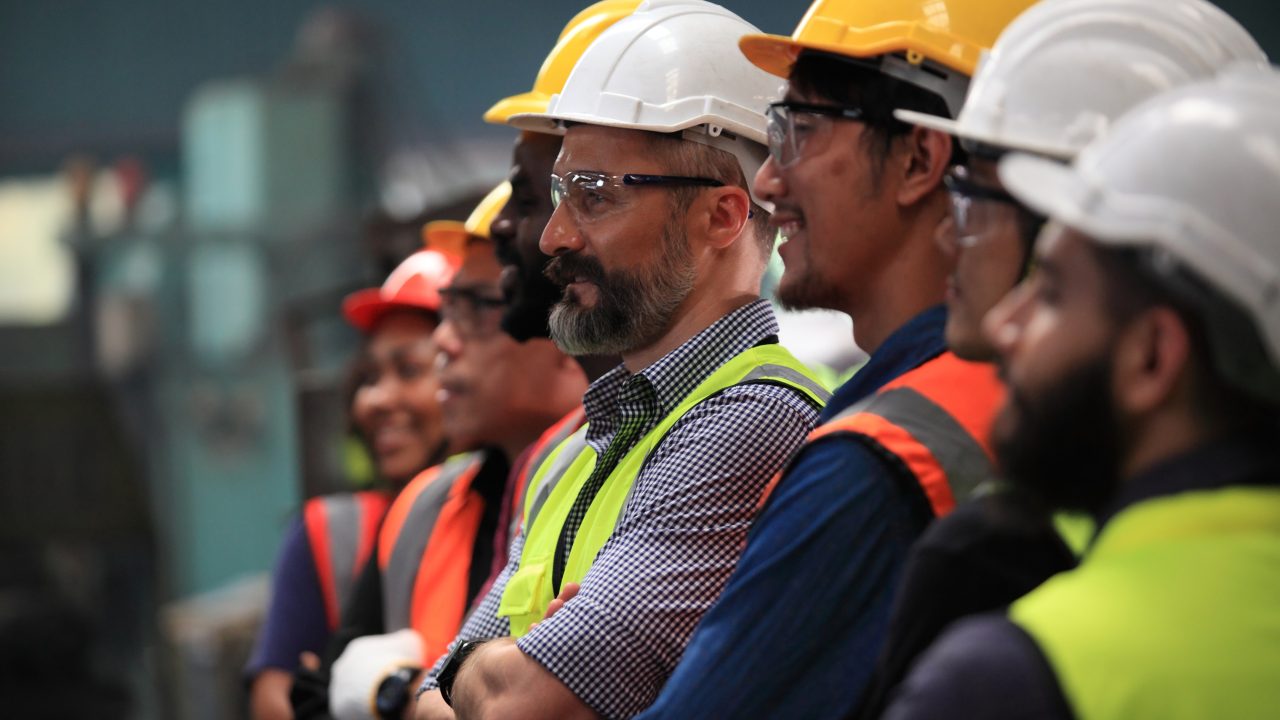
All these innovations help the construction industry grapple with a systemic problem: a shortage of skilled labor, exacerbated by an aging workforce and declining interest in traditional construction jobs among younger generations. Technological advancements bridge this gap by automating repetitive tasks, allowing human workers to focus on higher-value roles. But they also make construction more appealing to younger professionals with backgrounds in engineering, data science and automation. In addition, VR and AR-based training simulations provide hands-on experience in a safe environment, reducing the learning curve for new workers.
There’s another advantage as well. The integration of advanced technologies fosters a safer, more sustainable and resilient built environment, as digital tools reduce material waste, optimize energy consumption and improve the environmental impact of construction projects. AI-driven monitoring systems, wearable technology and automated machinery reduce workplace accidents and ensure compliance with safety regulations. Cloud-based platforms enable seamless communication among project stakeholders, ensuring transparency and minimizing delays.
The ongoing transformation of construction is not just a trend—it is a necessity driven by evolving global demands. By leveraging modular construction, AI, robotics and digitization, the industry is poised to redefine the way contractors build, ensuring that future projects are smarter, safer and more efficient than ever before. With continued investment in innovation, construction companies can stay ahead of challenges and pave the way for a more resilient and technologically advanced future.
SEE ALSO: OPERATIONAL SECURITY: COMBATTING RISING CONSTRUCTION CRIME WITH AI