Net-zero schools are increasingly being mandated by policy. Early conversations that once centered on square footage and schedules now include geothermal capacity, solar modeling, envelope performance and long-term monitoring strategies from day one.
Across the country, districts are facing pressure. Rising utility costs, aging infrastructure, evolving sustainability requirements and strong community expectations are converging at once. Many schools built decades ago operate with outdated systems that are costly to maintain. At the same time, communities want healthier learning environments, and policymakers are raising the bar on performance. Together, these forces are accelerating a nationwide shift toward net-zero, high-performance campuses.
Schools are leveraging solar power purchase agreements, geothermal systems, centralized monitoring platforms and advanced controls to reduce consumption while turning buildings into living laboratories. Due to their scale and visibility, public schools are uniquely positioned to lead the transition to a lower-carbon future.
Education for Staff and Students
Net-zero performance doesn’t happen simply because new systems are installed. It happens when the people inside the building know how to use them.
Staff training is built into delivery. Facilities teams learn how to navigate centralized monitoring systems and interpret building performance data by reviewing how geothermal systems respond to seasonal shifts and how solar generation affects daily load profiles. If operators aren’t comfortable with the systems, performance suffers.
Occupant behavior matters just as much. Limiting personal mini-fridges or avoiding thermostat overrides can meaningfully reduce campus-wide energy use. Plug load management strategies, including automatically shutting off selected outlets after hours, help reduce waste, but awareness is still critical.
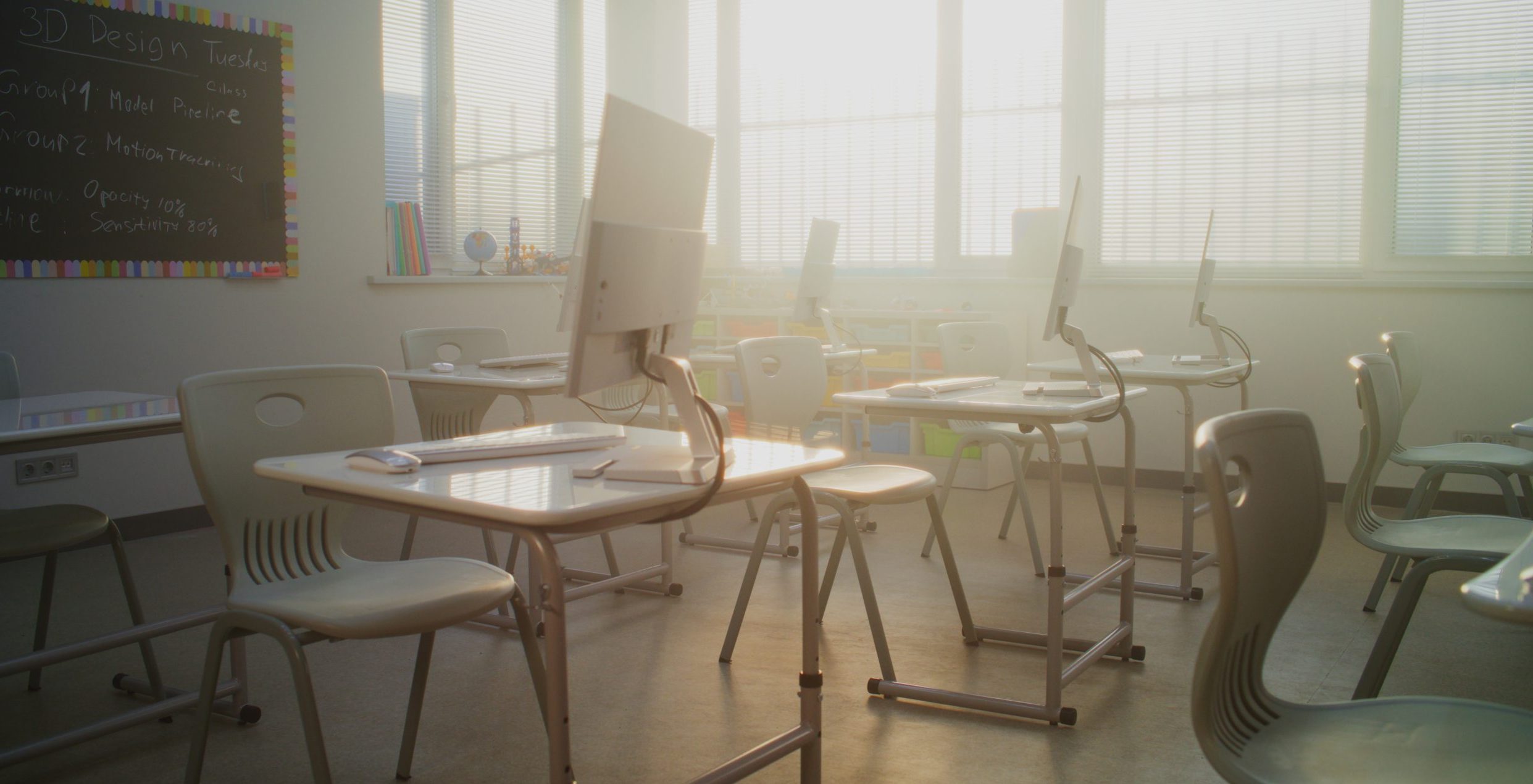
Students are also part of this equation. Many schools incorporate interactive dashboards that explain building systems in real time. Instead of teaching sustainability abstractly, educators can point to the solar array on the roof or the geothermal well field below the playground and show students how their school operates.
There’s also strong momentum when sustainability aligns with historic preservation. In D.C., buildings over 100 years old are modernized, but communities care deeply about preserving architectural character. When we integrate high-efficiency systems while maintaining historic façades, it demonstrates that preservation and innovation can work together.
Advanced Energy Savings and Sustainability Integrated Into Learning Environments
High-performance schools rely on layered strategies. Geothermal systems are becoming increasingly common, especially in D.C., using stable ground temperatures to regulate closed-loop water systems for efficient year-round heating and cooling. Integrating geothermal into dense urban sites requires careful coordination around utilities and limited outdoor space, but the long-term efficiency gains are significant.
Plug load controls and scavenger load strategies are implemented to power down selected outlets after hours. Across multiple facilities, these incremental savings add up.
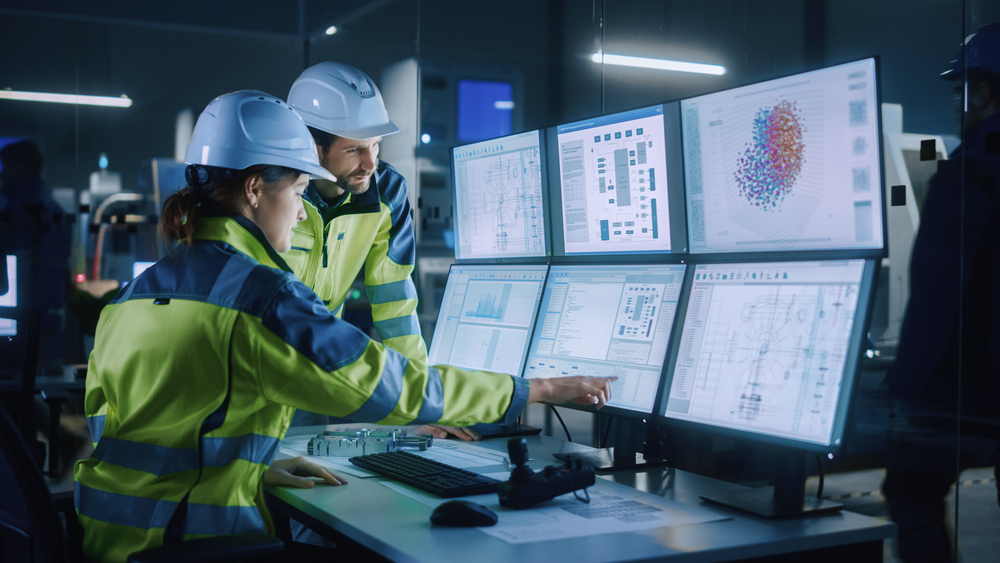
Centralized monitoring is essential. On several D.C. Public Schools projects, offsite engineers track system performance in real time, identify irregularities and fine-tune operations remotely. This oversight ensures buildings continue performing as designed well beyond ribbon-cutting.
Sustainability is increasingly visible within the learning environment itself. Schools incorporate features like bio-retention ponds, community gardens and mass-timber construction to support both environmental performance and curriculum engagement.
School improvement teams, administrators, teachers, parents and community members, also influence these outcomes. They weigh in on air quality, lighting, shared-use spaces and outdoor areas. Sustainability often becomes part of those conversations, particularly when it intersects with student wellness.
Comprehensive Solar Strategy
Solar arrays are often the most visible element of net-zero schools, but they are also among the most complex to implement.
Many districts use power purchase agreements to finance installations while third-party providers install and maintain the systems. It’s an effective financial model, but coordinating solar across multiple buildings adds procurement and scheduling complexity.
Structural reviews, utility interconnection approvals and construction sequencing must align. In historic buildings, additional analysis may be required to confirm roof capacity or identify alternative mounting solutions.
After installation, schools typically undergo 12 to 14 months of monitoring to validate performance and meet certification requirements. That phase is critical as it confirms energy targets are being achieved and provides documentation for net-zero verification.
Looking Ahead
Ambitious sustainability goals must align with fiscal realities. Federal funding fluctuations and local capital planning cycles influence the pace of implementation. From project initiation through certification, net-zero schools often require three to four years. Construction is only one component; commissioning, monitoring, documentation and training extend timelines but are necessary to ensure long-term success. The objective is delivering buildings that perform reliably and remain financially sustainable.
Early planning and strategic budgeting are essential. Both new construction and retrofits must be designed from the outset to support high-performance systems.
In Washington, D.C., more schools are pursuing net-zero certification or designing toward near net-zero readiness. Continued investment in geothermal systems, solar power and centralized monitoring platforms is expected as mandates take full effect.
Equally important is maintaining the connection between sustainability systems and the school community. Interactive dashboards, outdoor learning environments and curriculum-aligned design features bridge infrastructure and education.
Net-zero schools are not just about meeting energy targets. They’re about delivering healthier spaces, preserving community landmarks and preparing students to understand and participate in the systems shaping their future. When public schools lead with sustainability, the impact extends far beyond the classroom.
SEE ALSO: CONSTRUCTION FUTURES: APRIL 2026 ECONOMIC ROUNDUP