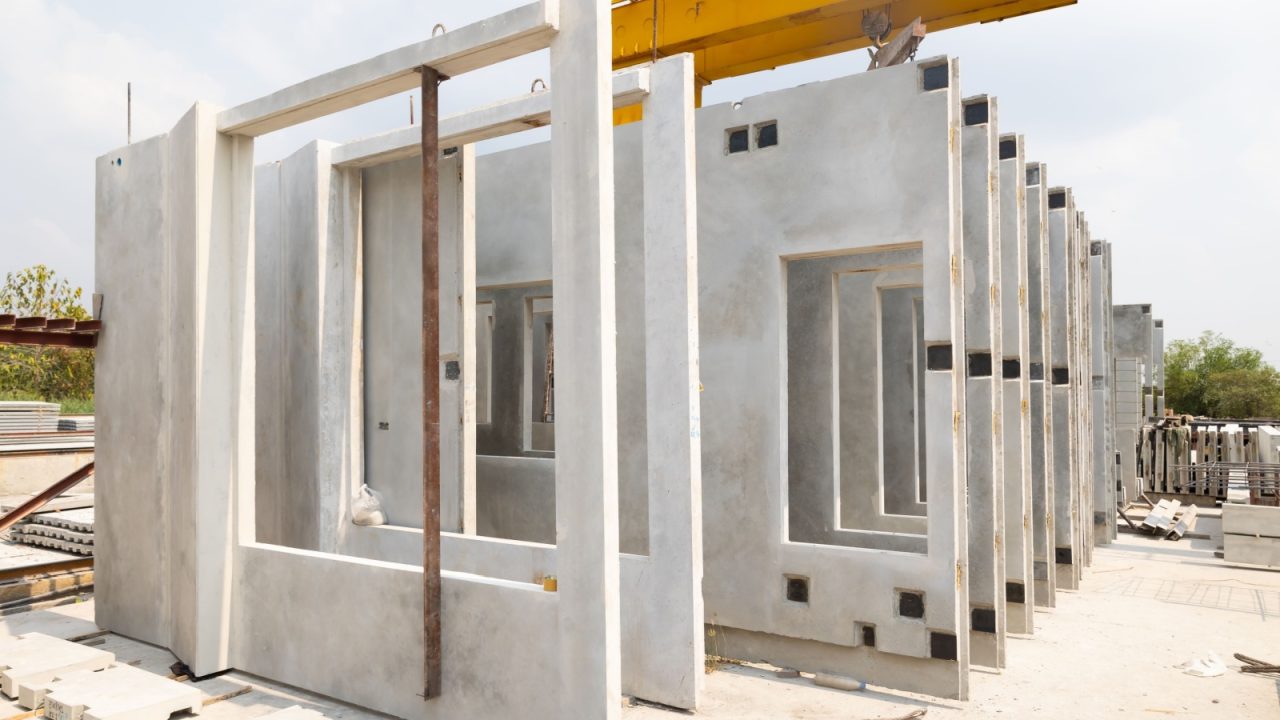
Modular, or prefabricated, construction is a modern and efficient building method that uses materials such as wood, steel and concrete to deliver hotels, residential buildings, schools and health care facilities.
While prefabricated construction and design might not be considered widespread or mainstream just yet, the appeals of cost-efficiency and sustainability are leading it to catch on in some of the biggest cities in the country, including New York, Los Angeles and Seattle, which are home to large, successful modular-designed projects.
For example, the citizenM New York Bowery Hotel is the tallest modular hotel in the world, winning the 2019 World of Modular Award of Distinction. While conventional building methods were used on the lower floors and the rooftop, the guest room floors were fabricated offsite in Poland, with individual modules processed through assembly-line production methods, allowing for tighter quality control.
The Bowery hotel’s 300 prefabricated guest rooms—made of steel with fire-rated floors covered with a wood laminate—were shipped containing most of their furniture and all wall finishes. The guestroom module also included a glass-enclosed bathroom pod with a toilet and shower.
Here’s a look at modular construction’s benefits of speed, safety, sustainability and fast shipment.
Speed
Modular offsite construction (MOC) buildings are developed simultaneously alongside preparation of the building site, which allows for the project to reach completion faster than via conventional building methods.
Because the modules are created within a factory, developers mitigate some weather delays that accompany traditional building, allowing for earlier occupancy, which in turn gives developers a faster return on investment.
Safety
In addition, MOC significantly decreases the risk for accidents and work-related liabilities. In fact, a McGraw Hill Smart Market report on modular construction found that 58% of developers utilizing the method state increased worker safety as a key factor and driving force.
Through MOC, workers are less exposed to harsh weather. Safety measures can be strictly imposed and carried out in a factory setting, which makes worker safety easy to monitor. Offsite construction also decreases the number of contract workers, which reduces worker liability and site disruption altogether. With the individual modules being manufactured in a secure processing facility, onsite work can decrease 30% to 50%.
Sustainability and Quality Control
MOC’s factory-controlled process generates less waste than that of traditional building methods, making it a more sustainable process. Depending on the type of modular construction being used (permanent modular construction or relocatable buildings), the buildings can be disassembled, refurbished and reolcated for usage at a new site.
The relocatable aspect of modular design reduces demand for raw materials and minimizes the amount of energy expended on building and prepping a new site, or demolishing an existing site.
During the manufacturing process, a controlled inventory process is set in place, allowing for protection of building materials and elimination of materials through various recycling methods.
Because the modules are developed in a strict climate-controlled facility, each module is wrapped before transport to ensure no moisture enters the units. Module transportation companies utilize waterproof membranes and other materials to allow for protection from the elements from the manufacturing facility through to the installation process. Once the modules arrive onsite, they are unwrapped as required and craned into position.
Considering its quick project turnaround, benefits to worker safety, sustainability and potential for innovation, modular construction will continue to gain mainstream attention.