In today’s digital age, the construction industry faces increasing cyber threats, necessitating robust cybersecurity measures. With the rise of threat actors increasingly targeting mobile devices, connected tools and the adoption of 5G technology, construction companies must prioritize cybersecurity to protect their operations and sensitive data. Managed detection and response, or MDR, is emerging as a critical strategy to address these challenges.
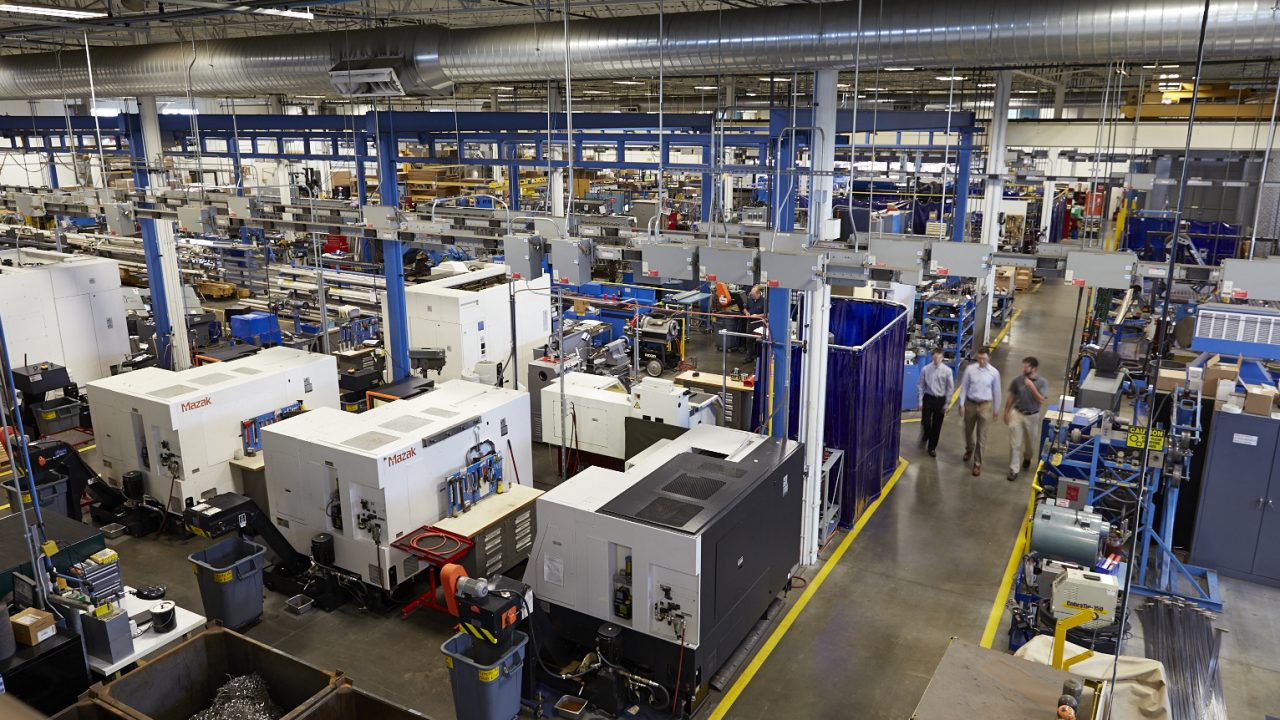
The construction industry presents a unique set of cybersecurity challenges due to its reliance on mobile and lightweight devices. These devices, often operating on basic 5G connections, are integral to modern construction sites but lack security infrastructure of traditional IT systems. Many construction firewalls are not equipped with the rich security data needed to detect sophisticated threats, making these networks vulnerable.
Moreover, the mobility of construction devices poses a significant risk. With tools and equipment frequently moved between sites, ensuring consistent and comprehensive security coverage is daunting. Additionally, initial security setups are often minimal, focusing on operational functionality over cybersecurity, leaving gaps that malicious actors can exploit.
The construction industry also faces risks from its complex supply chain and reliance on third-party vendors. Sensitive data is often shared across multiple stakeholders, increasing the attack surface. Subcontractors with weaker cybersecurity measures can inadvertently introduce vulnerabilities into the entire project ecosystem.
THE ROLE OF MDR IN CONSTRUCTION
MDR offers a proactive approach to construction cybersecurity, leveraging advanced threat intelligence and continuous monitoring to protect against evolving threats. One of the key advantages of MDR is its ability to enhance the security of mobile devices. By utilizing mobile logs and mobile-network data, often in combination with mobile-device protection, MDR provides an adaptive security solution that adapts to the unique needs of construction environments.
MDR providers deploy specialized tools and technologies to gather and analyze security data from construction devices. MDR services also correlate this data with curated threat intelligence, enabling rapid detection and response to potential security incidents.
A HYPOTHETICAL BUT REALISTIC SCENARIO
Consider a case where a WiFi-enabled wrench was found to have 25 vulnerabilities. These flaws, found in the wrench’s Linux-based NEXO-OS, could be exploited by hackers to install ransomware or alter configuration settings. This tampering could mislead operators into thinking bolts are properly fastened when they’re not, compromising the integrity of any projects using those wrenches.
This incident underscores the importance of securing connected tools and machinery. MDR providers use specialized operational technology security products to monitor and protect these devices. By integrating operational technology security into their services, they offer comprehensive protection against both IT and OT threats, preventing potential disruptions to factory and construction operations.
BUILDING CYBER RESILIENCE
Building a cyber-resilient infrastructure in construction involves several steps:
- Risk assessment: Identify unique cybersecurity challenges and vulnerabilities within the company’s infrastructure. This informs the development of a tailored MDR solution.
- Employee training: Educate staff on cybersecurity best practices and how to recognize potential threats. This ensures that human error does not become a weak link in the security chain.
- Integrating MDR: Incorporate MDR into existing security frameworks. This includes setting up continuous monitoring and threat-detection systems that do not disrupt normal operations.
MDR solutions typically operate passively and out-of-band, meaning they do not interfere with network performance. This allows construction companies to enhance their cybersecurity posture without experiencing downtime or operational disruptions.
FINANCIAL IMPLICATIONS
Cyberattacks can have devastating financial impacts on construction companies, including:
- Direct costs: Ransom payments, legal fees and costs associated with remediation efforts.
- Indirect costs: Damage to reputation, loss of business and potential regulatory fines.
In fact, in 2023, the average cost of a cybersecurity incident in the construction sector rose by 25%, reaching an estimated $2.5 million per incident.
MDR can help mitigate these risks by providing continuous monitoring and rapid-response capabilities, minimizing the damage caused by cyber incidents.
MEET REGULATORY REQUIREMENTS
While the construction industry has historically faced less stringent cybersecurity regulations than sectors like finance, its increasing digitization and importance in building critical infrastructure are driving greater regulatory oversight and compliance requirements to mitigate growing cyber risks.
MDR helps construction companies stay compliant by:
- Monitoring and reporting: Ensuring that all security measures are in place and functioning as required by regulatory bodies. MDR provides continuous monitoring, detailed logging and compliance reporting to demonstrate adherence to standards like CMMC, NIST CSF and FISMA.
- Threat intelligence: Keeping abreast of emerging threats and ensuring that the company’s cybersecurity posture evolves accordingly. MDR leverages global threat intelligence to proactively identify and mitigate risks before they impact the business.
- Incident response: Rapidly detecting, investigating and responding to potential security incidents as mandated by regulations. MDR’s 24/7 security operations center and incident-response capabilities ensure timely action and detailed documentation.
Compliance with cybersecurity regulations not only avoids penalties but also promotes a secure and trustworthy operational environment, enhancing the company’s credibility with clients and stakeholders.
FOR THE FUTURE
The construction industry faces unique cybersecurity challenges that require specialized solutions. As cyber threats become more sophisticated, the need for advanced security measures becomes increasingly apparent. MDR offers a proactive approach to addressing these challenges, providing continuous monitoring, threat detection and rapid-response capabilities.
By leveraging curated threat intelligence and integrating with both IT and OT environments, MDR enhances the cybersecurity posture of construction companies. It provides a scalable and flexible solution that can evolve with the changing threat landscape, ensuring operations and sensitive data are protected against evolving threats.
Construction companies must prioritize cybersecurity to safeguard their future in an increasingly digital world. Adopting MDR is a critical step in building a robust strategy that addresses the industry’s unique needs. By taking proactive measures today, construction firms can focus on their core business with confidence, knowing their cybersecurity is in capable hands. The future of construction cybersecurity lies in solutions like MDR that provide the tools to adapt and thrive in the face of ever-changing cyber risks.