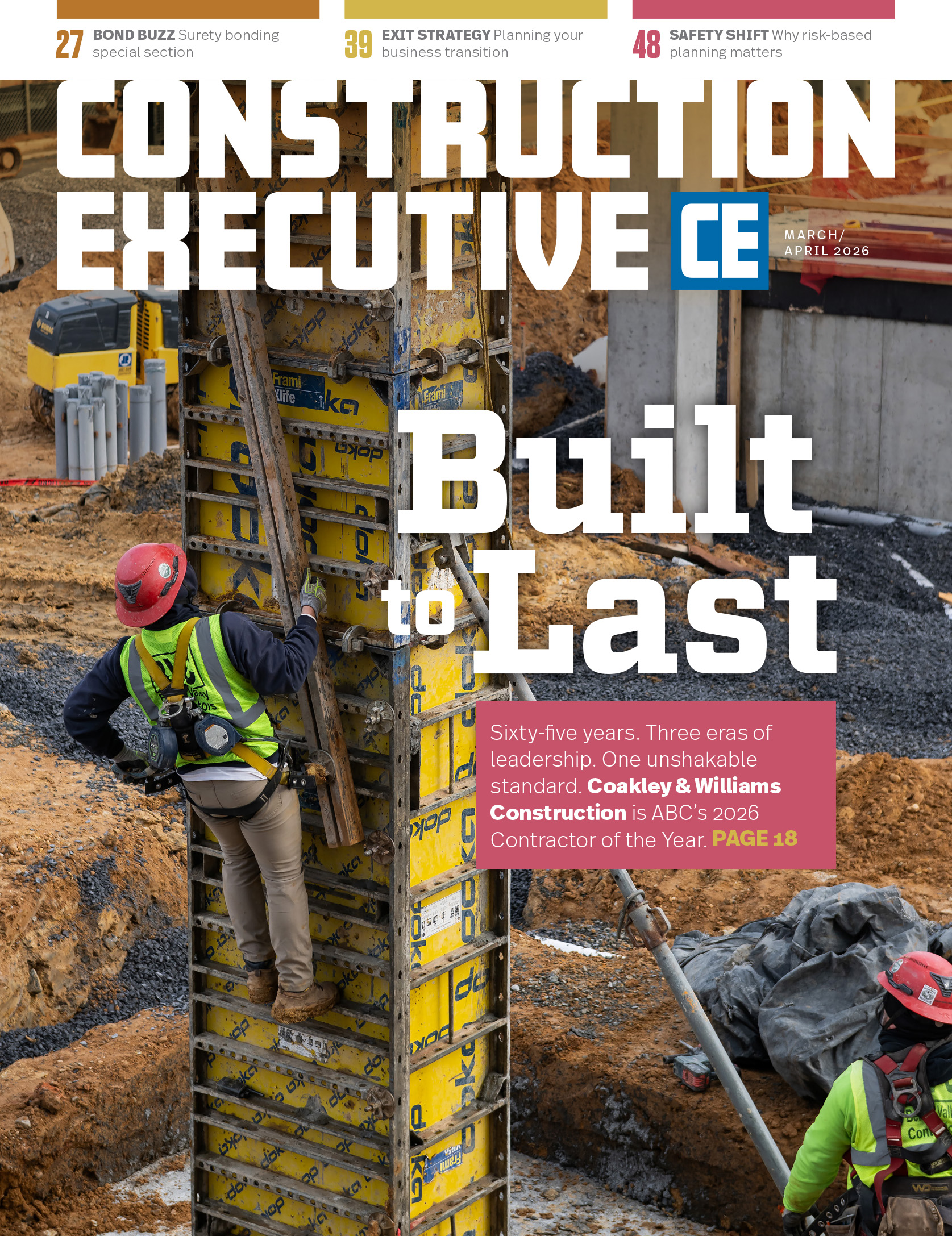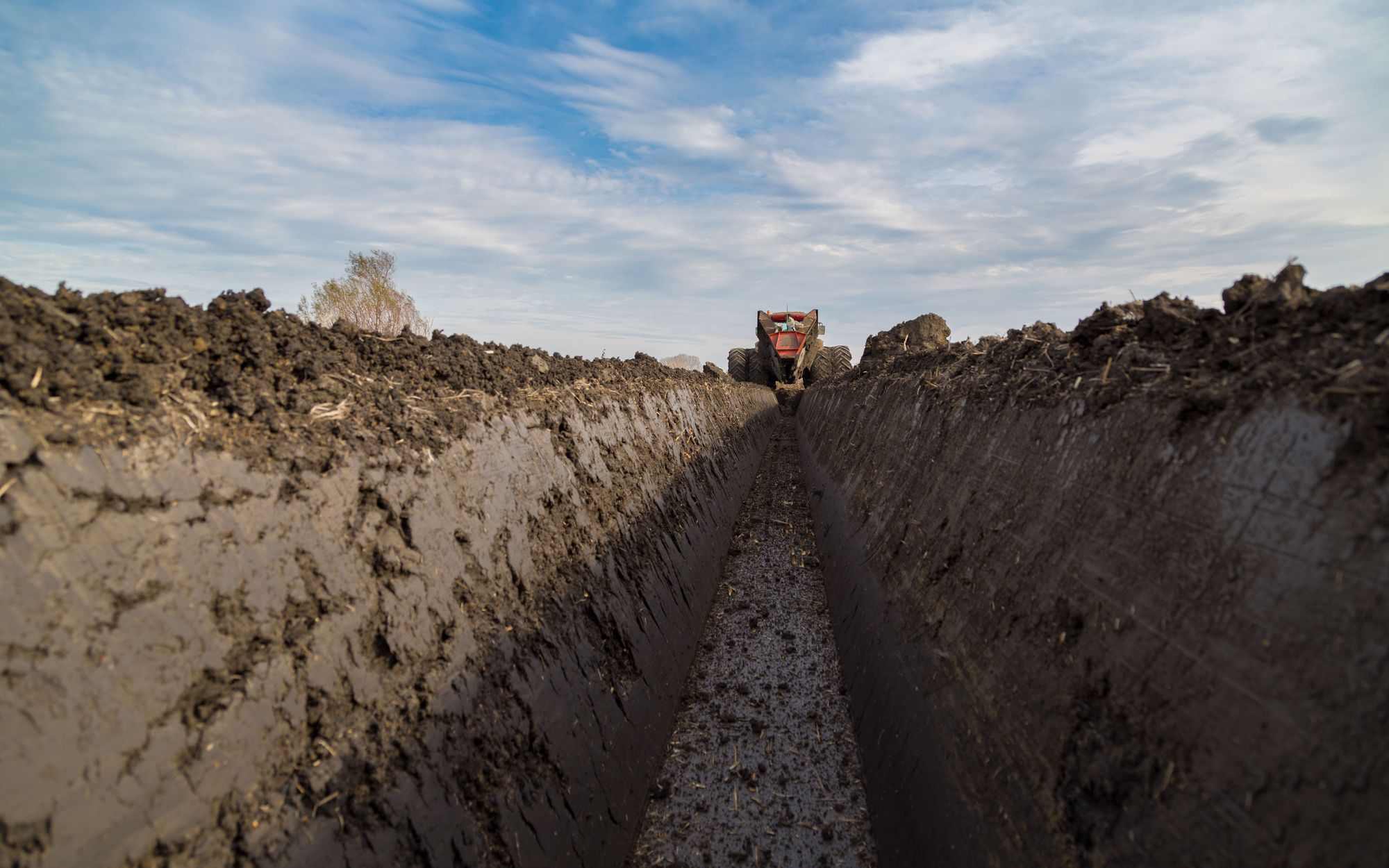
The trench and excavation work required to support construction projects can be a dangerous undertaking. It often takes place in congested areas and on public roads and building sites. A cubic yard of soil weighs as much as a car, so a trench collapse can kill in minutes. According to the Bureau of Labor Statistics, excavation and trench-related fatalities in 2016 were nearly double the average of the previous five years.
Some contractors skip the installation of a trench protective system because of time or cost pressures. But that decision can backfire. If a cave-in occurs, the project timeline will stretch because an investigation will shut the site down. Costs will also increase – just consider OSHA fines and the increased insurance expenses, not to mention any lawsuits. A trench collapse could also ruin a company’s reputation and lose it business. The lives of workers, co-workers, family and friends are changed forever.
OSHA has made reducing trenching and excavation hazards a priority at the agency. Complying with OSHA’s trench safety standards and maintaining constant awareness of the hazards associated with trench work can prevent deaths and injuries.
Safety improvements can also lead to other jobsite gains with companies experiencing significant benefits from their safety investments. These benefits not only include positive project impacts on budget, schedule and quality, but also employee morale and productivity.
For contractors looking to make the investment in trench jobsite safety, there are key factors that can contribute to enabling safe work practices in trenching and excavation operations.
Commitment and Accountability from Management
From the CEO to field supervisors, managers should show by their words and actions that they value the safety of the workers on the jobsite above everything else. If a worker is injured in a trench or there’s a close call, management must take responsibility and make changes. Employees at every level must understand—and believe—there will be consequences if they don’t comply with safety requirements.
Adhere to OSHA Standards
OSHA specifies safety standards for protecting workers from cave-ins, which the agency cites as presenting the greatest risk. Trench construction often involves working in unstable soil. Unless a company is working in solid rock, OSHA standards require protective systems, such as sloping, benching, shielding or shoring, in addition to soils analysis and guidelines for installing and removing protective systems. Employees—at all levels—need to learn these standards and review them regularly.
Craft a Comprehensive, Written Policy
A good policy thoroughly outlines responsibilities and practices to be followed. Companies need comprehensive policies that detail safe trench and excavation practices. The policy process should accommodate suitable planning and supervision, compel recurrent inspections of excavation sites to detect any change in soil conditions, and confirm adequate support for trenches. A sound policy will systematically detail responsibilities and standardize safe practices for employees.
Designate a Competent Person
Assigning a competent person and making sure that person is adequately trained is quite possibly the single most important step in preventing cave-ins when working in trenches. OSHA regulations require every excavation to have a competent person in charge of overseeing all aspects of the excavation.
Compliance with OSHA standards requires the designation of a competent person to inspect trenches and identify potential hazards. Inspections must cover every aspect of excavation, safety and shoring equipment, and address soil type, work in adjacent areas, the possibility of vibrations and weather conditions. The competent person has authorization to take prompt corrective measures to eliminate or control hazards and adverse conditions.
Commit to Training
Maintaining up-to-date training on safety regulations and equipment solutions is essential to keeping construction workers safe. Too often, workers doing this type of underground work think an accident won’t happen to them. And in some cases, workers may not even realize they are facing a hazard due to lack of training.
One-time training is not enough. OSHA requires demonstrable knowledge on the part of the competent person. As rules may change, a competent person must have ongoing training in order to be aware of the latest rules to ensure they know the requirements.
Organizations need to reinforce safety messages during safety meetings, toolbox talks and more, and send workers for formal training whenever necessary. Trench safety solutions and protective equipment evolve, so every organization needs to make sure its training keeps up.
Deploy Right Protective Solution
OSHA regulations for excavation and trenching operations, covered in Standard 1926 Subpart P, mandates a minimum requirement that contractors use a protective system any time a trench is five feet deep or when even shallower depths are deemed to be unsafe.
Protective equipment to improve productivity and worker safety has become significantly better with advancements in both manufactured systems using tabulated data and site-specific engineered solutions using shields, shoring, bracing and high-arch clearance spreaders.
It’s vital for companies, which work in underground operations, to consider every safety resource available to workers – including analysis on protective system solutions, on-site consultation and professional engineering designs.
Investing in Trench Jobsite Safety
Every company faces pressure to complete increasingly complex jobs within increasingly challenging timelines. But when shortcuts backfire, they cost time, money and sometimes, lives.
Trench work is inherently dangerous. But if a company makes the necessary investments to make it less so, and trains its workers to do the same, projects will get done more efficiently and employees can live to work another day. With the right programs in place, organizations can create an environment that not only provides safe jobsites, but also enables workers to be productive in delivering quality results on schedule and budget.