Construction activity continues to fluctuate as businesses exit summer and push forward through fall, when the industry will try to rebound from its recent dip in construction starts. During these upcoming months, construction businesses will be tasked with completing projects on tight schedules, with additional limitations from COVID-19 still impacting supplies and budgets.
As deadlines approach and work begins to pick up, many contractors will need to rely on subcontractor relationships to streamline work on the jobsite. Before moving forward at full speed, it’s important to consider the added challenges of COVID-19 and the latest recommendations from the Centers for Disease Control and Prevention, along with federal and state OSHA guidelines.
These guidelines can be difficult to follow on jobsites, especially when team leaders are tasked with managing the relationship between two teams. That’s why it’s essential to educate all onsite workers about the dangers of COVID-19, while clearly outlining safety measures as more people join the jobsite. The following information can help strike that balance and guide both teams to safer, more successful projects this fall.
Communicate and adjust
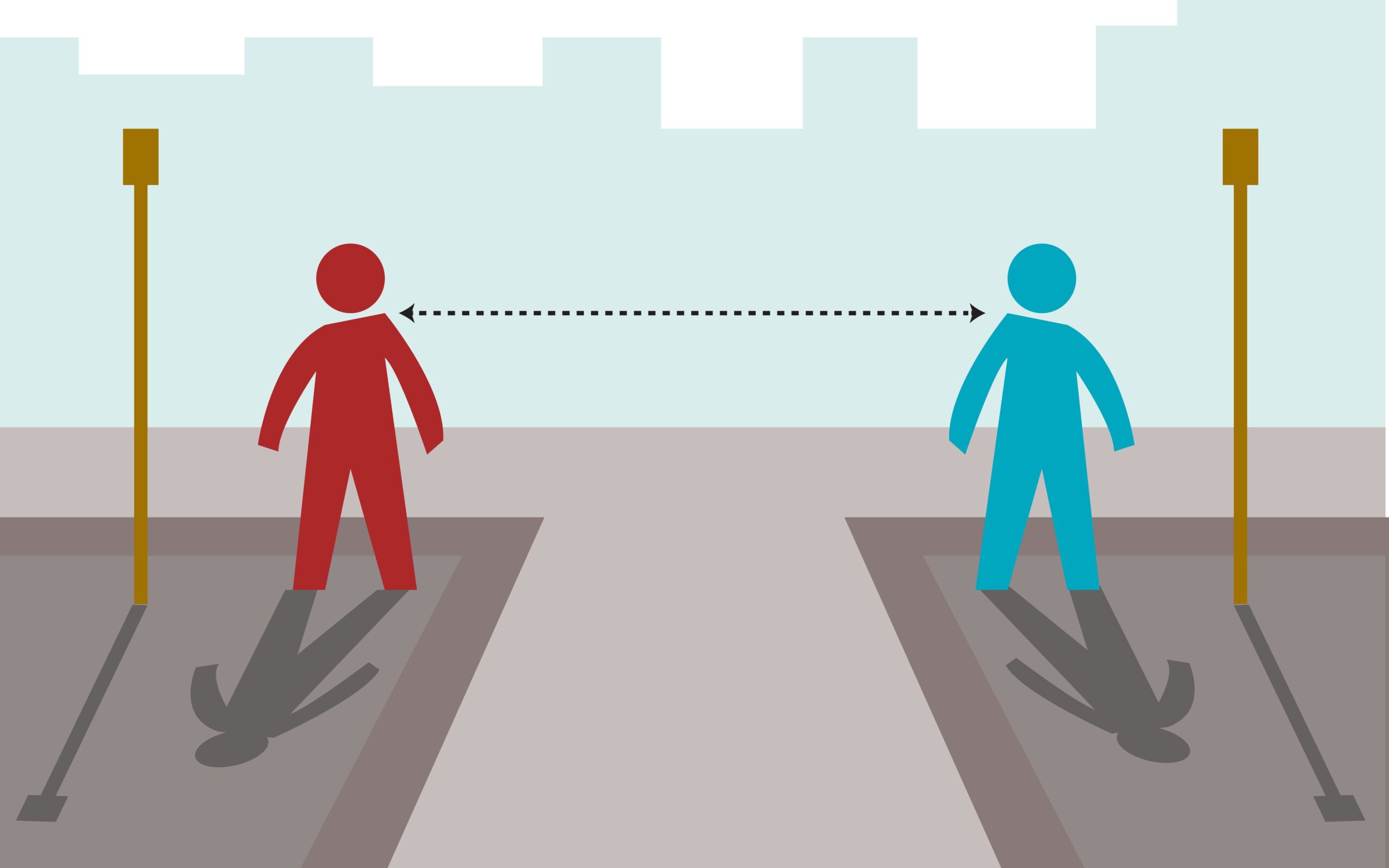
The addition of subcontractors, and additional suppliers, means workspace at jobsites will be limited. With several operations happening at the same time, overlapping work may occur between employees and other workers—making required physical distancing difficult.
To help limit this potential issue, develop a subcontractor protocol program identifying:
- A member of the team, preferably the superintendent, who will evaluate and report on daily tasks, job priorities and ways to incorporate social distancing and personal protective equipment.
- A plan to increase frequency of breaks to give workers a chance to temporarily remove their masks. Many contractors turned to breathable face coverings in the summer heat. However, as weather cools off, confirm that proper PPE continues to align with the task.
- An adjusted schedule to separate shifts and job duties, including breaks and lunch times, to reduce population density in the same area at the same time. If several members of both teams take their breaks at the same time, break space can be limited and lead to the same social distancing risks presented by limited workspace.
- Methods to limit interactions with other contractors where work trailers are used. Take specific care with the confined meeting space inside trailers.
- Protocols to clean shared tools or equipment. Provide and instruct workers to use alcohol-based wipes to clean tools before and after use, along with other manufacturer recommendations for proper cleaning techniques and restrictions.
Screen and report
The more subcontractors there are at the jobsite, the harder it’ll be to monitor who is showing symptoms unless they’re proactive in communicating these signs with team leaders. While workers may have good intentions of being transparent, don’t take the risk of finding out one day too late.
Instead, consider requiring jobsite workers to fill out a pre-screening questionnaire before arriving onsite each day. The questionnaire can be brief and include questions regarding potential symptoms and recent travel they’ve done if it’s prior to their first day onsite. This proactiveness can help reduce the likelihood that a subcontractor employee’s symptoms go unreported. To maximize the effectiveness of any pre-screening process, it’s also important to accompany it with an accessible, well-communicated process for reporting symptoms.
Finally, subcontractor visits will fluctuate throughout the completion of projects, making it difficult to track interactions and the amount of time at a jobsite. A daily time log of who checks in and out can be a valuable tool to manage this challenge. This strategy could prove important if there’s a future need to identify and communicate with someone who may have been exposed to COVID-19—however it’s best to avoid providing personal information if a notification is necessary.
Stay dedicated
These tips can be a step in the right direction for subcontractor relationships, but most importantly, the leadership and commitment to safety exhibited by both teams will influence the overall success of projects.
Any COVID-19 safety plan should remain receptive to new CDC and OSHA recommendations, and the tips mentioned in this article should be balanced with the feedback and advice of company attorneys and local experts.
With the right precautions, contractors and subcontractors alike can set the construction industry up for a successful fall and beyond.