It’s a common misconception that the biggest risk for breathing polluted air happens when people are outside. In reality, people spend almost 90% of their time inside, where the threat can be particularly dangerous. Exposure to poor indoor air quality can negatively affect health, including persistent migraines; irritation of the lungs, eyes, nose and mouth; and, in extreme cases of radon or asbestos exposure, cancer. Know how to keep workers safe by maintaining healthy indoor air quality at the jobsite.
What are the most common causes?
There is no singular cause of poor indoor air quality, so be aware of the following at the jobsite:
- A lack of ventilation with clean, outdoor air;
- Poor maintenance of ventilation systems;
- Humidity or dampness caused by leaking, burst pipes or flooding; and
- Indoor or outdoor contaminated air.
How can you tell?
If workers are showing consistent symptoms of dizziness, nausea, headaches and fatigue, this may be an indication of poor indoor air quality. Encourage workers to see a doctor for any persistent symptoms such as cough, fever or flares in pneumonia. Not all indoor air quality problems will appear as detrimental to workers’ health. Be careful to observe other indications, such as musty or unpleasant odors and overly humid air.
The only way to be sure the quality of the air at the jobsite is high is to properly maintain the building, regardless of whether or not there are signs of poor indoor air quality.
How can you prevent it?
To prevent pollution-related health problems:
- Check temperature, air flow and humidity on a daily basis;
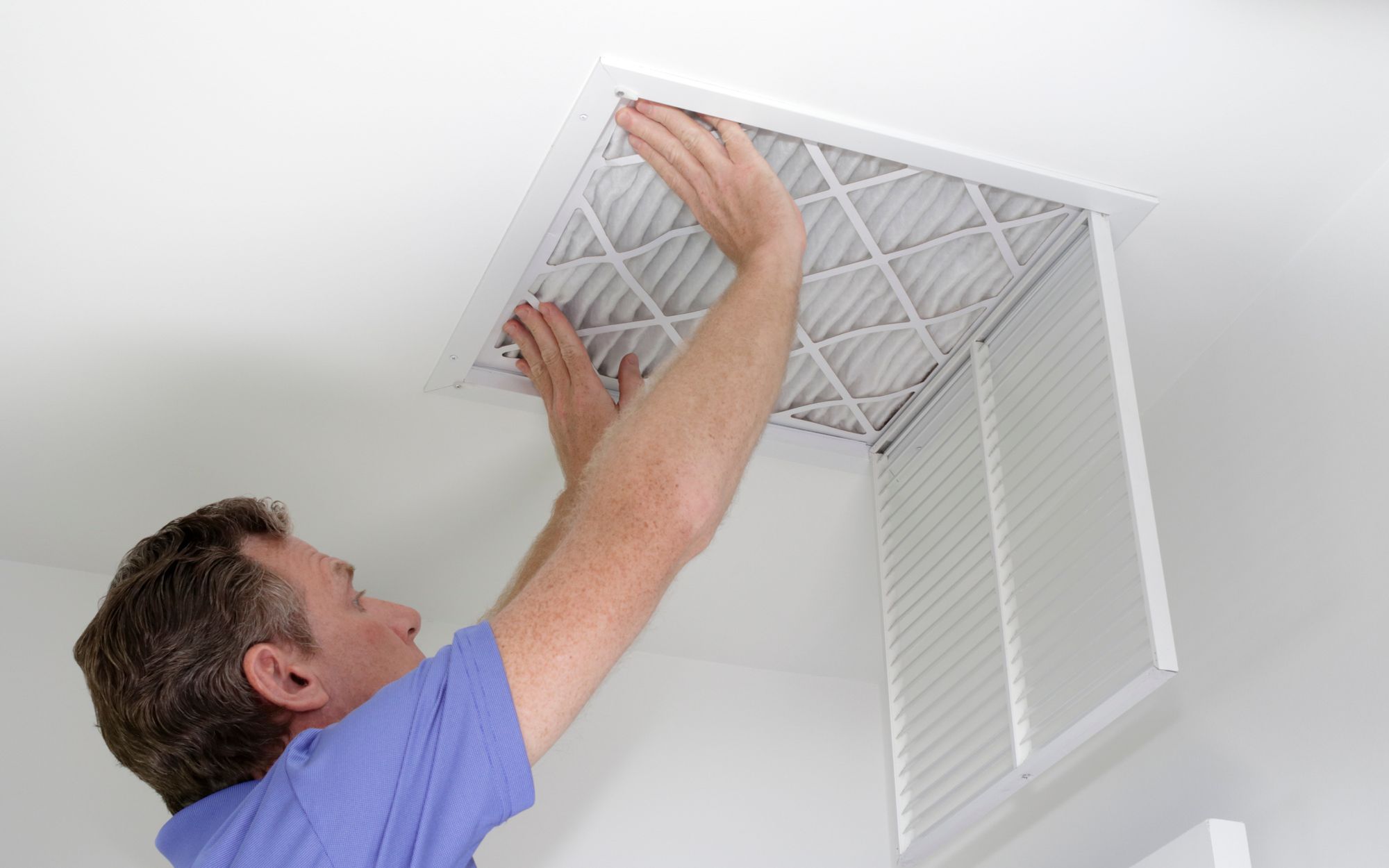
- Make sure ventilation, heating, and air conditioning systems are in accordance with building use and occupancy, and check for leaks and blockages; and
- Take regular building walk-throughs to check for odors and to look for water damage, leaks, dirt and other possible indications of poor air quality.
Pay attention to employees to check for symptoms of poor air quality—and be proactive in keeping your workplace safe.