Hurricane Irma impacted the U.S. Virgin Islands and Florida in September 2017 and made landfall in the Virgin Islands as a Category IV storm and in the Florida Keys as a Category III storm. Given the forecast strength of the storms and the landfalling locations, both FEMA and the American Society of Civil Engineers identified lessons learned from this hurricane that would inform both building code and engineering standards, providing the engineering and design community with valuable information about the performance of both the code and standards.
Requirements for wind and flood design are published by ASCE in ASCE 7 Minimum Design Loads and Other Criteria for Buildings and Other Structures and in ASCE 24, Flood Resistant Design and Construction. These standards are referenced in the latest versions of the International Building Code and the Florida Building Code.
The actual wind speeds that hit the Virgin Islands were estimated at 150 mph, slightly lower than the 165 mph speed published in the ASCE 7 standard. The storm had a significant impact on the islands’ infrastructure, especially power and roadways. There was some structural wind damage to older engineered structures such as schools and the post office. Most of the older damaged structures were not occupiable without major repairs, which would result in extensive downtime. Other critical facilities, such as the hospital, had roof covering damage which allowed rain to enter the building, causing downtime. The Virgin Islands had been severely damaged by Hurricane Marilyn in 1995, which resulted in a roof rebuilding program that was based on the Uniform Building Code in force at that time. The buildings re-built to those program requirements performed very well and sustained little damage except for the building cladding. Irma did not create sufficient storm surge to create many flood issues around the steeply sloped islands.
The actual wind speeds in the Florida Keys were estimated at not exceeding 120 mph, significantly lower than the 180 mph speed published in the ASCE 7 standard. There was significant windborne debris created by this storm; in many cases this debris consisted of vegetation or roof covering. There was very little structural wind damage, especially to those structures built in accordance with the Florida Building Code. There were a number of hurricane shelters open during the storm; there was practically no damage to any of these shelters. There was damage to building envelope components such as soffits, roof coverings and some siding. There were a number of broken window products which appeared to be impact-resistant. While Irma created some erosion and storm surge, the flooding did not approximate design conditions and thus there was not the catastrophic flood damage that one might expect from such a strong storm on a coast with so many buildings.
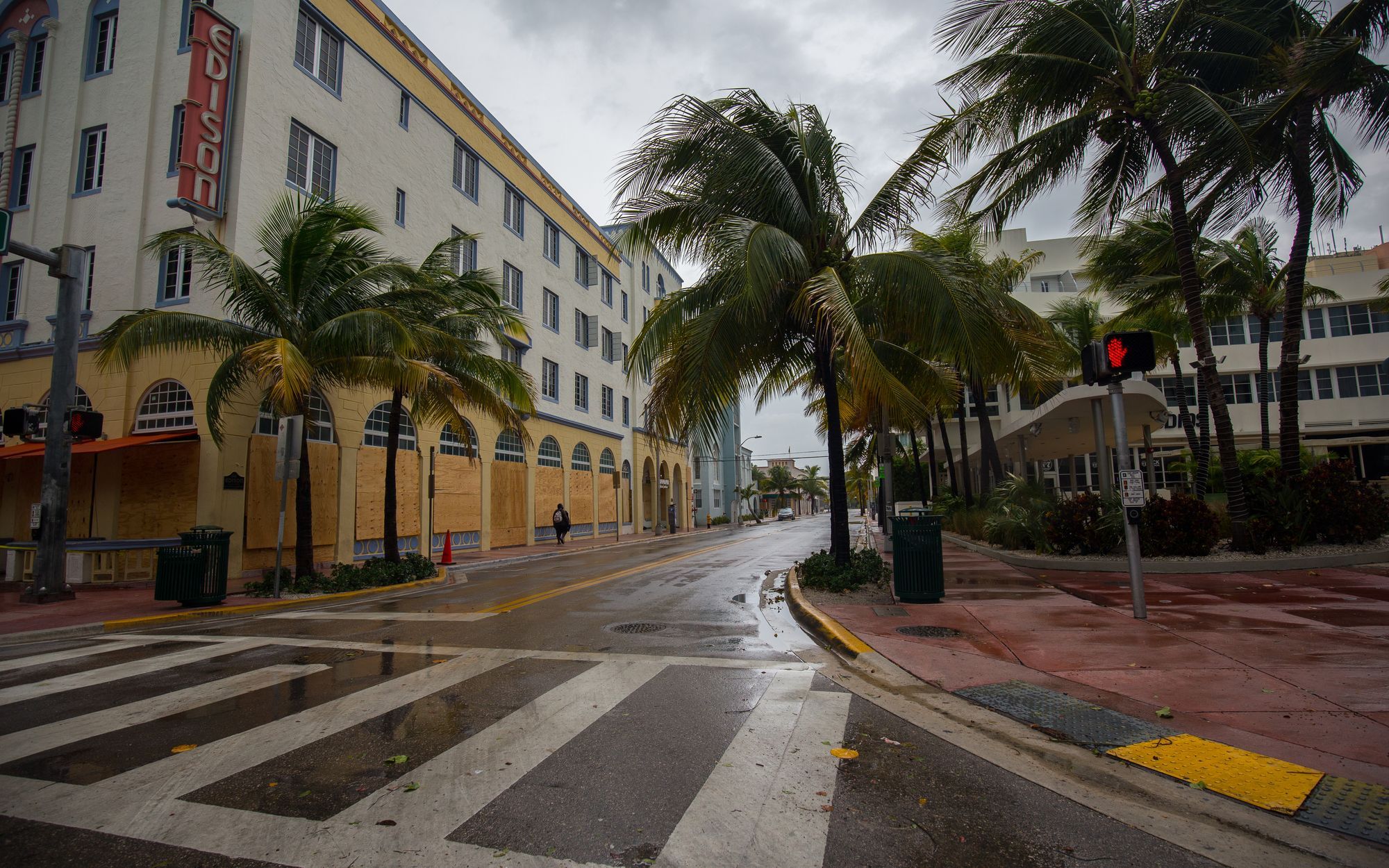
The actual wind speeds on the mainland of south Florida were approximately 100 mph and minimal wind damage was observed, except for building envelope components such as soffits and roof coverings. There was some flooding along the coast with water in the streets of Miami and significant beach erosion in St. John’s County in the upper northeast part of the state.
The hurricane has provided the design community with several topics worthy of further study, including:
- the wind effects on buildings located on steep ridges and escarpments;
- the magnitude of wind-borne debris and its effect on glazing products;
- how to reduce damage to building components, especially soffits, roof coverings and siding products; and
- how to better stop water from entering buildings and causing the loss of building functions.
How these topics will affect the approach currently used to determine wind and flood loads is uncertain until the various stakeholders have the opportunity to discuss the findings and determine paths forward. It is important to note that buildings built to the Florida Building Code or other specific high wind design guidance (ASCE 7 or the design guidance used in the Virgin Islands) performed as expected; those not built to that code or the design standards did not perform very well, and thus continued efforts are needed to improve the robustness of the building stock to high wind and flood events. A report from FEMA has been released; a report from ASCE is forthcoming and expected in the first quarter of 2019.