According to the U.S. Census Bureau, the U.S. population has grown substantially in the last year, outpacing average annual growth. Catering for this massive population growth will require an enormous investment in new housing, more retail, better roads, bigger schools and hospitals, more critical utilities and stormwater infrastructure amongst much more.
Amid this intensifying demand, and what many are dubbing a golden age of infrastructure, the construction industry stands at a crossroads. Although poised to thrive from this unprecedented investment and innovation, the sector is facing significant challenges, including a shortfall of skilled labor, more stringent regulation of standards and increased frequency of unpredictable weather events. There is a clear need for innovative, more efficient construction methods that deliver speed, efficiency and resilience.
Amongst the many innovative methods developed to address these challenges, industrialized construction which streamlines the building process through the use of prefabrication, modular building systems, structural precast concrete elements and other advanced manufacturing techniques continues to grow in demand. Digital integration is fundamental to this approach, with each phase of a project meticulously planned using advanced digital tools, which ensures seamless communication and coordination, enhances precision and allows for more efficient modifications.
What Is Industrialized Construction?
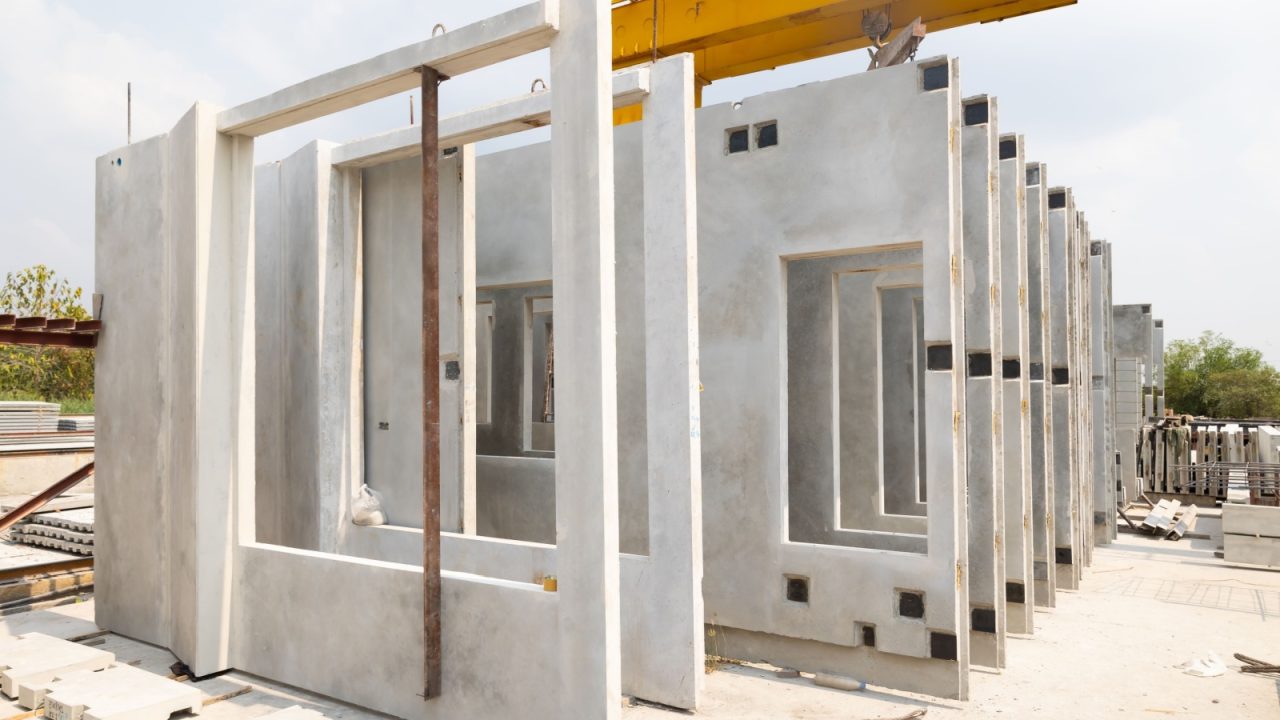
Industrialized construction is an approach to building that aims to transform traditional building practices into more systematic and predictable processes. Techniques emphasize efficiency, by uniting advanced manufacturing, integrated supply chains and digital capabilities. Examples include modular construction and precast construction which involves casting individual concrete components offsite, in controlled, industrial environments. This method of construction appeals to a number of residential, commercial and infrastructure applications, and can be found today in anything from high-rise building envelopes to underground water utility networks.
Key Benefits of Industrialized Construction
Speed and efficiency: The fabrication of building sections or modules in a factory environment eliminates many onsite delays from uncontrolled variables like weather or scope changes. These building sections are then transported to the construction site for quicker assembly. In the case of modular construction, the focus is on creating units that can easily be combined or stacked, to form complete structures, and in a future state, they can easily be disassembled.
Less waste and fewer emissions: Standardized components that are manufactured precisely, as is the case with prefabrication methods, optimize material use and minimize waste. Since components are manufactured off site and then assembled on site, transportation can be streamlined too, meaning fewer trips and lower emissions. Furthermore, this sustainable construction method often utilizes advanced manufacturing technologies like automation which optimizes the use of energy during production.
Flexible, future-ready design: Industrialized components are inherently more adaptable than traditional building styles and the technology leveraged means it can be designed for disassembly and reuse as demands change. In essence, the asset can be more easily reconfigured to meet other requirements, without the need for extensive demolition. This idea of repurposing spaces could revolutionize urban planning and help meet the demand for new residential housing.
Enhanced safety: Last but not least, offsite construction minimizes workers’ exposure to hazardous conditions because the manufacturing site is standardized, with fewer variables, and can therefore improve the health and safety of workers on site.
Industrialized Construction Enhances Collaboration Among Stakeholders
Heightened collaboration and integration of supply chains is critical to the success of industrialized construction. By managing more of the process, from mining the essential material, to constructing the finished solution, companies can reduce complexity across the project lifecycle and streamline workflows. Aligning more of the value chain in this way, from concept and design through to the construction and maintenance phases helps to mitigate risk associated with material selection and availability for example. What’s more, early engagement and partnership with the stakeholders involved in planning, design and financing the project helps to optimize design decisions which can improve the speed of construction and performance outcomes, optimizing the operational efficiency of the built asset for example.
A More Sustainable Construction Model
The industry is undoubtedly embracing this revolutionary era of construction. However, challenges lie ahead in promoting its widespread adoption, which requires a cultural shift in the industry and collective advocacy from developers, designers, contractors, policy makers and academia.
The rise in prefabricated structures or technologically advanced techniques will still need a developer willing to buy it, a designer to accommodate it and a capital provider ready to finance it. And the sector needs to upskill and reskill to strengthen the talent pool’s capabilities to install it.
However, the potential rewards are immense.
By embracing industrialized construction, the industry can move beyond traditional processes and accelerate the adoption of more efficient, digitally enabled and resilient construction ecosystems. With increased advocacy, this sustainable construction model can address the impacts of a shrinking workforce, evolving regulations and the increasing emphasis on the social impact of the construction industry.
In a world where resource scarcity is becoming a real challenge, industrialized construction offers a beacon of hope, empowering companies with more options to create spaces that are not only functional, but responsive to the industry’s evolving needs, creating more resilient cities for future generations to come.
SEE ALSO: A CONTRACTOR’S CHECKLIST FOR MANAGING MEGAPROJECTS