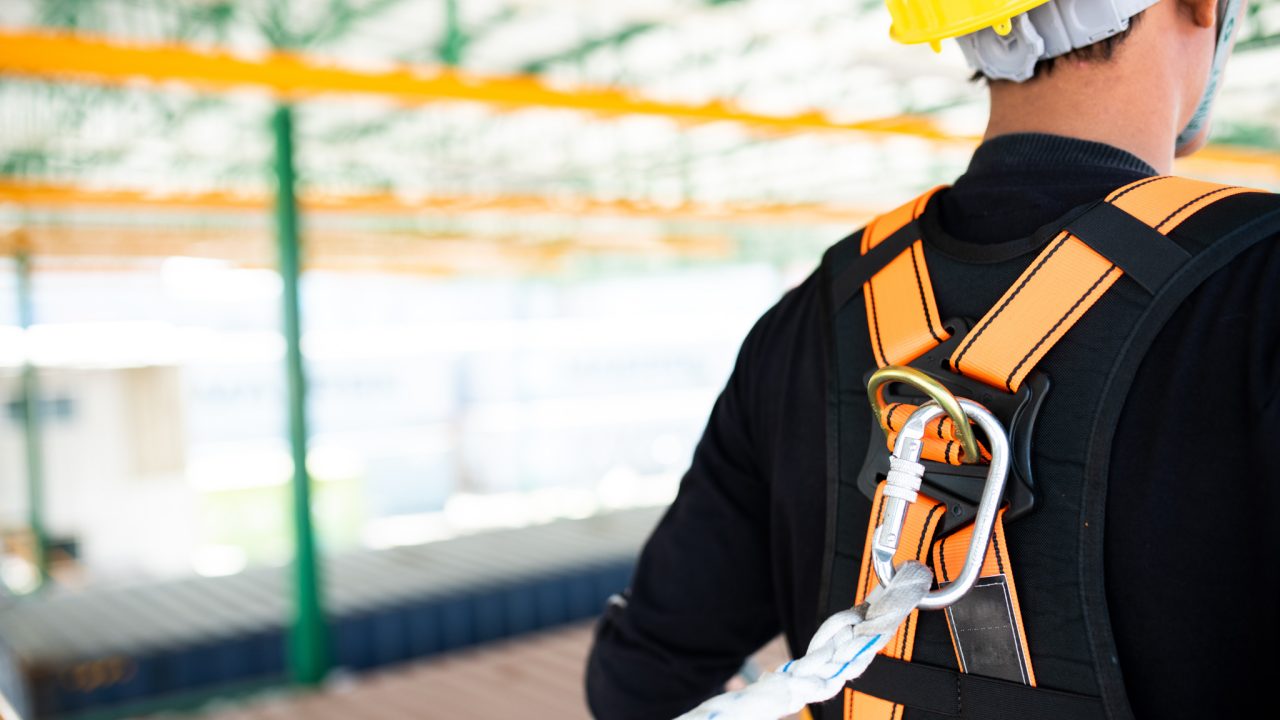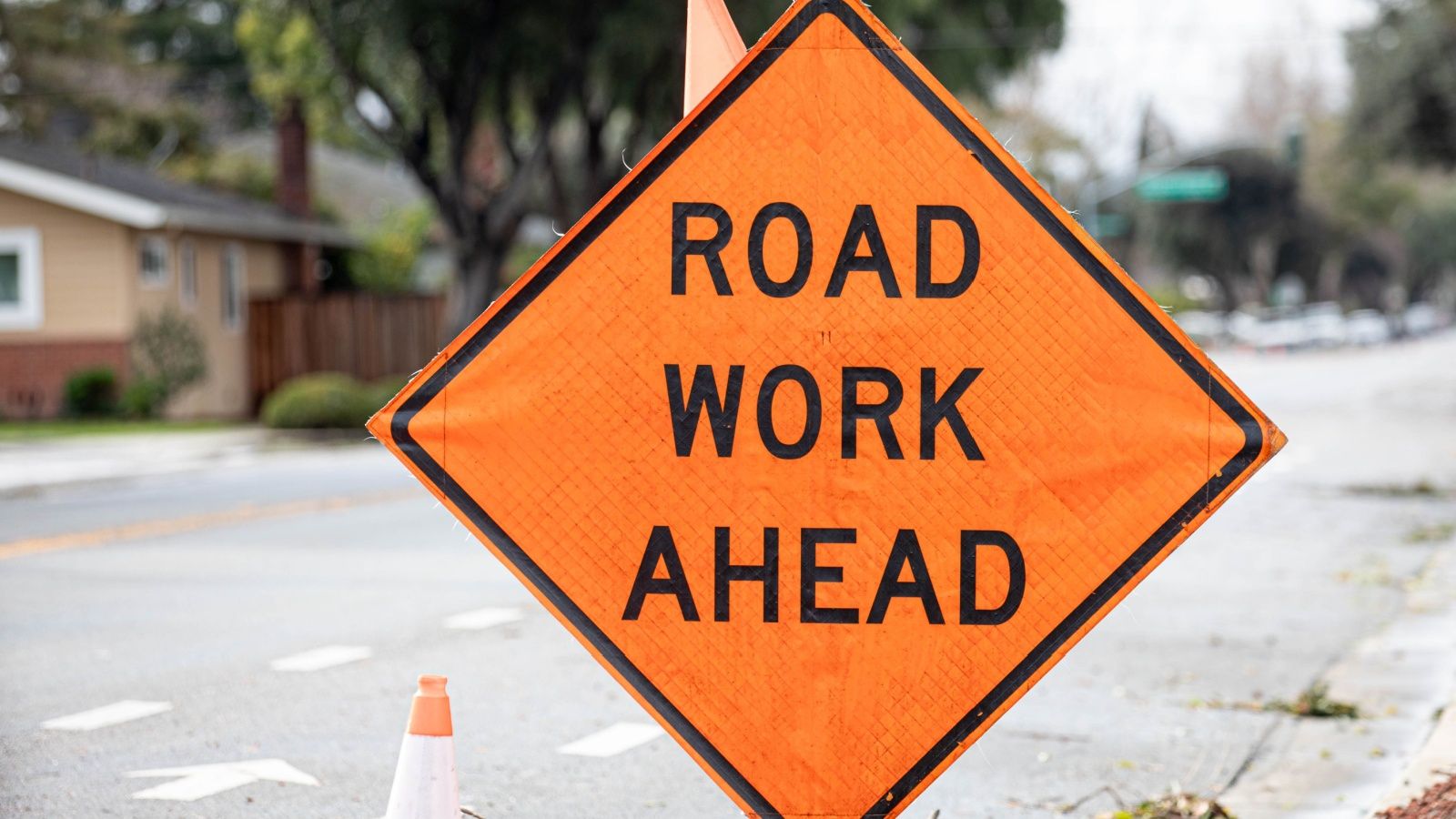
Work-zone safety is an increasing concern amongst construction workers—especially during the summer months of peak travel and road work. Ken Wengert, the vice president of risk control for the construction, energy and marine division at Travelers Insurance, delves into areas to address and ways construction companies can improve work-zone safety.
Several industry reports—from the National Safety Council to the FHA to the CDC and more—reveal a measurable increase of danger when operating inside work zones. Why?
“There’s a variety of factors that contribute to this,” says Wengert, “not the least of which is potential reckless driving behaviors and weather. And as you get to the summer months, particularly in the northern climates, you’ve got the confluence of increased traffic volume as well as a high volume of construction work taking place, so that combination of attributes increases the potential for risk.”
What are some of the different types of work zones and the dangers posed in each of them?
“There are a variety of work zone set ups, depending on the speed limits and volume of traffic on the road. But also, work-zone traffic control environments can be different from inner-city to suburban and rural areas. The type of temporary traffic control that is required to protect the traveling public and the workers are generally provided in the Manual of Uniform Traffic Control Devices from Federal Highway Administration. Depending upon the speed, the density and volume of vehicles traveling, and the type of work performed, that’s going to dictate which protective measures are required. And, depending on whether you’re working for a private owner, say a college or university, or if it’s a city, county or state—each can have a variety of different entities holding jurisdiction.”
Among the ways to regulate or aid safety in these work zones, are there any emerging technology trends?
“Many project owners are installing more advanced means of communication as part of the advanced warning signs. A variable message board can provide additional insights and help when traffic is moving at a slower pace or more vehicles in a certain area are creating a queue by send a warning further in advance of the work. That’s one means in which technology’s been deployed. There are also intrusion monitoring devices mounted often on either equipment or temporary traffic control devices. I can’t say that those are widely deployed—I’ve seen them in only a handful of instances—but those are some technologies that are out there that are being utilized, in addition to working in protected areas where there’s an actual concrete barrier or some other means to separate the traveling public from the workforce themselves.
“When adopting technology, after you’ve identified the problem to be solved, it’s important to have a cultural commitment to it and understanding of how to work with and engage all the stakeholders and allow for a feedback loop. This includes the vendors and manufacturers of some of these technology devices. This is critical to ensure the organizations get out of it what they intend.”
Considering increased infrastructure funding in the recent years, and thus increased infrastructure construction, how do you see that affecting working conditions?
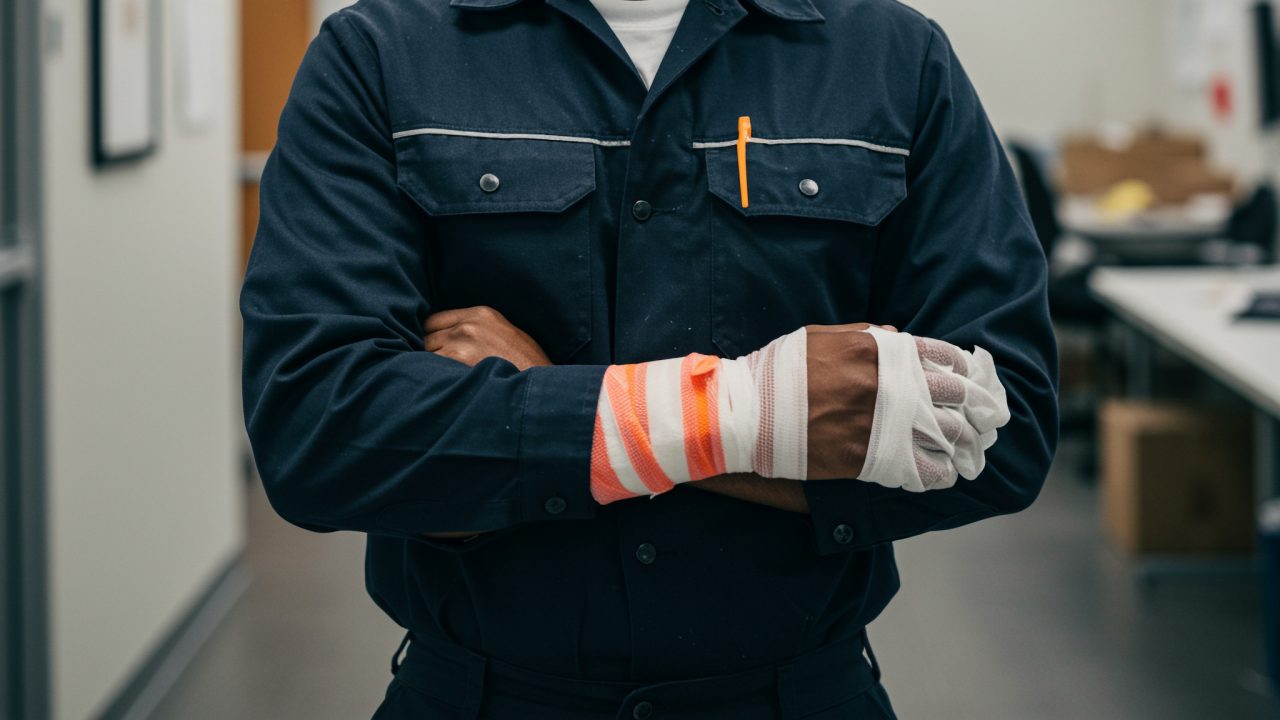
“Obviously if there’s more work on those roads or adjacent to those roads, the potential of risk certainly increases. Again, it’s not only the combination of the work, but also the workforce. And we look at our own injury impact reports from claims data, which indicate close to half of the worker-related injuries that we encounter in our portfolio involve workers with that contractor for less than a year. So, if you think about the experience level of the workers, the increased volume of traffic and number of work zones, there is an error chain where it’s typically not any one causation that’s driving these things, it’s a combination of errors that at some point results in a failure.”
Considering the shortage of both workers and skills, how are those who are available for these types of projects affected, and how can companies protect the workforce they already have while also training oncoming employees?
“We often focus on the hiring, onboarding and training of the workforce. But I also believe that it’s the frontline leadership—the superintendents, the project managers, folks who are leading those teams in the field—that are vital to success. It’s not only the orientation and training, but the constant feedback [from the workforce] to ensure that the right behaviors are being exhibited. Effective leaders don’t just develop natural communication skills or understanding of a safe environment purely because they’ve been promoted or are now in a new role. Several contractors we work with place a lot of investment in ensuring that their frontline leaders are right there beside their teams to provide feedback, both positive when it’s going well, as well as corrective in order to ensure that the work’s able to be done safely, in a quality manner and on time.”
What are some things people should consider beyond simple traffic patterns when it comes to work-zone safety?
“Communication, first and foremost, is critical. This means figuring out how to convey expectations, validate understanding on the part of the workforce. It also means allowing folks to learn and grow and develop in a safe environment, be it side by side with a mentor or peer, with direct supervision or possibly in a different working environment before moving to a job that’s in a high volume, densely populated area.
“It’s not only untrained employees that are injured or at risk. It’s also those that are trained. So, you start thinking about preplanning. Whether it’s the temporary traffic control, whether it’s the humidity, the temperature, a variety of different factors—if you’re not planning for safety and taking the steps on the front end to anticipate what the risk factors are, the likelihood of being adequately prepared and having the right controls in place goes down tremendously.”
Work zones will always pose an inherent risk to workers and traveling public alike, which is why constant assessment, implementation and feedback are a must, even for the most seasoned of contractors. Wengert essentially boils this conversation down to two action items, which can be implemented on both sides of the work zone barrier: be proactive and communicate.
“I believe the more proactive contractors are already implementing behaviors to address [work zone safety], while always remaining aware of the risks. For example, working at night could reduce the likelihood of the heat and humidity risk on the workforce, but by contrast, while the roads are possibly less traveled, the potential impact of work-zone accidents at night increases in some cases purely based upon the fact that it’s being done at night. So, it’s a risk and reward consideration. All parties need to be a part of that planning on the front end, and not wait until an incident occurs to make corrective actions.”