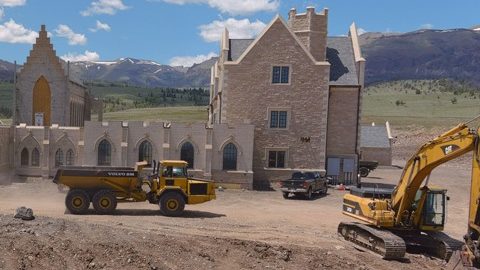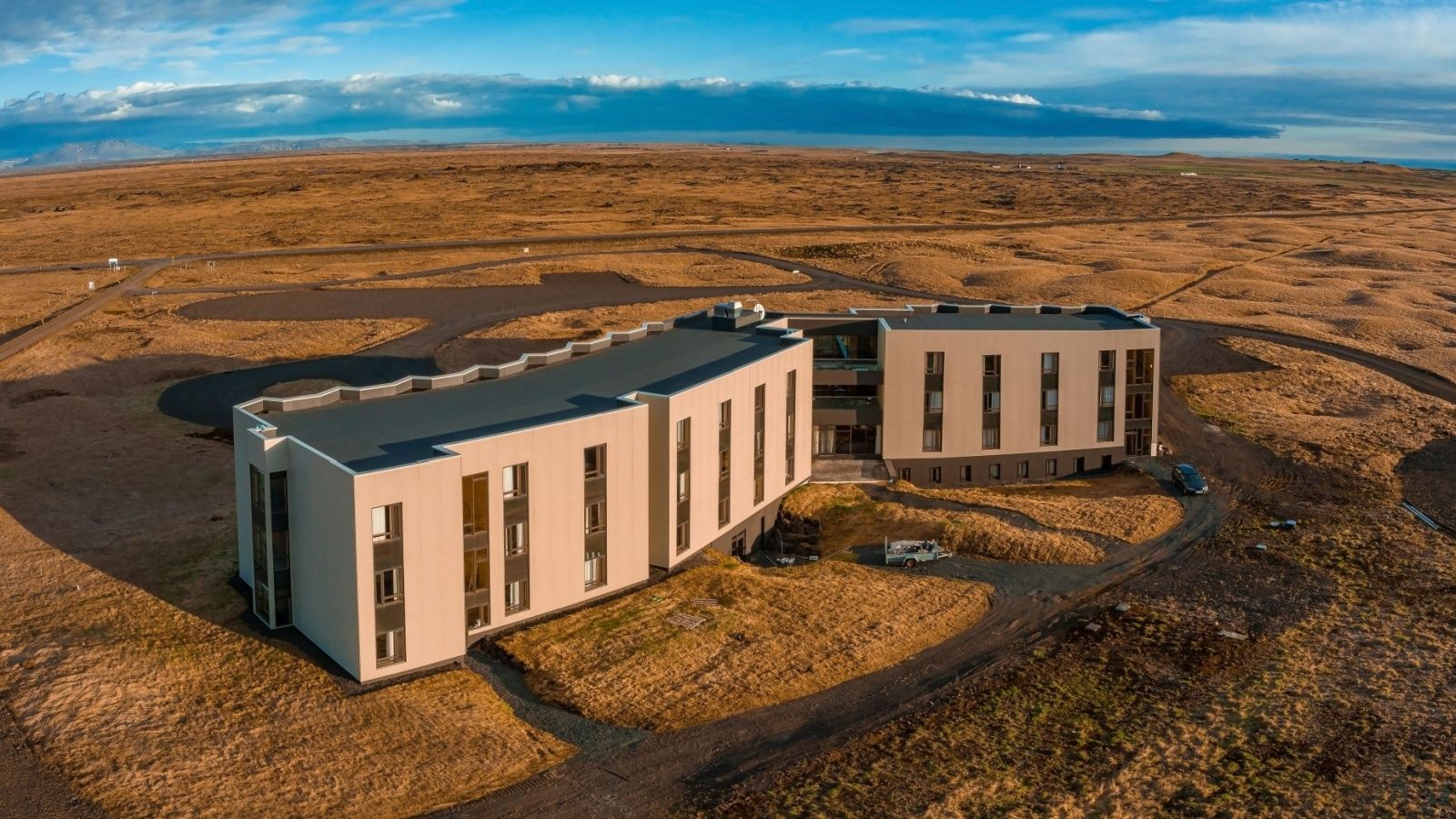
Grand structures are sometimes built in unlikely places, like a whimsical hotel nestled on a secluded island beach or a sprawling ski lodge perched at the foot of a mountain. But how many beach-goers or skiers stop to consider what it took to create these impressive developments? Common sense dictates that building in a remote location would present challenges one wouldn’t encounter in an urban or suburban setting. What might surprise most people, however, is just how broadly developers define “remote.”
Because large construction projects require the consistent, long-term efforts of an army of workers, the difference between “middle of it all” and “middle of nowhere” often comes down to commute time. That’s why, when developers talk about remote projects, student housing gets thrown into the mix along with those far-flung island and mountain resorts. Colleges and universities are a catalyst for large-scale development in places that wouldn’t normally experience it. A city of 18,000 residents, for example, would normally have no need for tower cranes or concrete pump trucks. But when that city is Clemson, South Carolina, home to the eponymous university and its 30,000 students, big construction projects are going to come up now and then. When that happens, labor and equipment must be brought in from Atlanta or Charlotte, both of which are about 2.5 hours away.
Added costs and time are the main challenges developers face when building in remote locations, whether that’s on a tiny spit of land in the Caribbean, a mountainside in the Rockies or a college campus in Pennsylvania. Here are some ways developers can overcome those obstacles.
GET ON THE SAME PAGE
It may seem like common sense that projects built in places without easy access to labor, materials and equipment are going to cost more and take longer to complete. But transparency, client education, and clear and consistent communication can help head off any misunderstandings about just what that entails. It’s essential to make sure all stakeholders in a project not only agree on budgets and timelines, but understand the impact of various scenarios—like bad weather, holdups clearing customs or material delivery delays—on those metrics. This kind of open and up-front communication is also essential as local partners may be able to contribute local or regional knowledge about sourcing labor or establishing a supply chain for materials like concrete or lumber.
NO SURPRISES
Because there are more complex variables and potential risks associated with remote developments, it’s crucial to undertake a detailed accounting of your expected costs, plus scenario-based projections to figure out how to handle the additional cost and time of possible disruptions. That thorough analysis and game plan is especially crucial in hospitality builds, where you’re more likely to be sourcing components globally. Buying construction materials from other countries adds another layer of complexity and risk to the cost and time equation. For developments outside the U.S., clearing customs and adhering to government restrictions on hiring local can also add cost, complications and uncertainty.
When doing this homework in preparation for a remote build, don’t forget to factor in a time element. Many costs associated with building—especially in remote places where labor and equipment may be scarce, or places where you may require specialized equipment—accrue over time. These costs, from equipment rental fees to lodging costs for workers, can add up quickly.
HARD DEADLINE, SOFT CUSHION
All projects have a schedule, and it’s never a good idea to miss a deadline. But the consequences of running over time will differ from one project to the next, and the risk of running overtime goes way up when you’re doing a remote build. If your client is trying to open just prior to the start of cruise or ski season, for example, missing a deadline can do serious damage to the relationship. Again, the key is to make sure you’re clear on your client’s expectations.
Then there’s student housing. Students move in to housing for the new school year every August, and especially in places that have few lodging options, missing that window can cause serious chaos on campus. For that reason, developers build more cushion or “float” into their build schedule for student housing. That float is especially important when building in remote locations, since that will compound any problem that occurs. When you’re far away from a major city, bringing in additional resources or finding another source for your construction materials is that much tougher.
EMBRACE OFFSITE CONSTRUCTION
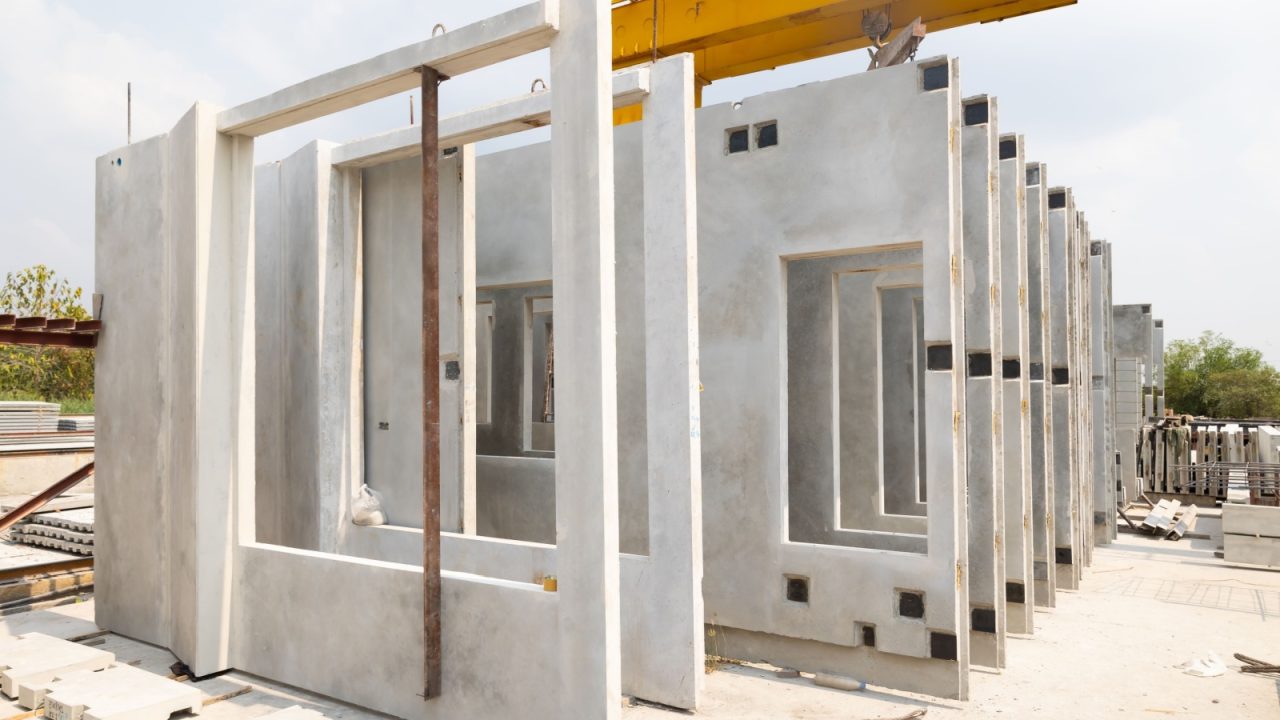
Innovations in materials and prefabrication, like cross-laminated timber and panelized walls, have addressed some of the burdens of building remote. Completing processes away from the jobsite lowers safety risk and liability by eliminating the need for some workers to be on site. Instead, the components are made by specially-trained workers at a specialized site, checked for fit and quality on the spot and then brought to the build site. This also alleviates labor restraints on the localized market, and it creates a better-quality consistency of the product.
In every development business decision, there needs to be a return on investment. You may have increased risk and costs associated with building in a remote location, but if there is a compelling development opportunity that can generate ROI, it’s worth taking on the challenge. The most important aspect of working on developments in remote areas is just understanding those increased costs and risks, then communicating those clearly and consistently with other stakeholders on the project. If those stakeholders are clear on the opportunities and challenges involved, and you have people on your team that can help guide you in that direction, remote projects can be worth the extra work and complexity.