Nearly 95% of construction firms in the U.S. struggle to fill open positions, even as the industry will need to bring in almost 500,000 new employees by 2026. With worker shortages, many projects face delays and increased pressure on existing crews. At the same time, 56% of contractors are concerned about worker quality and the risks of underqualified labor as the skills gap widens.
Career and technical education programs are one way that the education industry is responding to workforce development challenges. Today’s CTE initiatives have come a long way from traditional shop classes, evolving into effective career preparedness pathways that give students the relevant skills and experiences they’ll need to excel in high-demand fields like construction.
THE EVOLUTION OF CTE
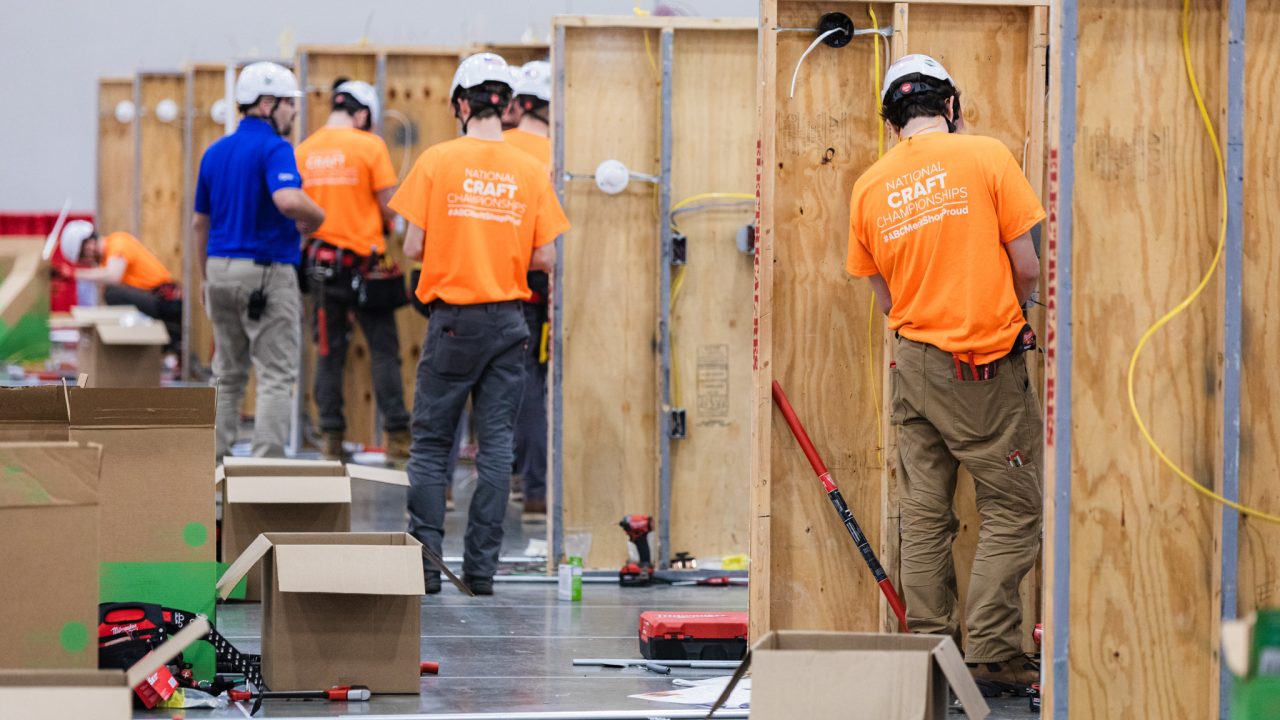
Modern CTE programs differ from traditional academic courses in how they blend textbook concepts with hands-on training. In combining career preparation with work-based learning opportunities, they give students industry-recognized certifications and relevant, practical experiences to build confidence in their chosen trade. For example, in construction, students will develop competencies in OSHA-aligned safety protocols, equipment operation and blueprint reading, while also learning essential soft skills like communication, leadership and teamwork.
Whether students are looking to enter the workforce immediately after high school or continue to higher education, CTE helps to jumpstart their careers through relevant experiences guided by professionals and mentors. CTE uniquely combines both classroom learning and industry-specific training to directly prepare students for the workforce.
MEETING INDUSTRY DEMANDS
Like many industries, the construction sector has seen a number of changes over the years, largely due to new technology and evolving regulations. As a result, workers need proficiency in the following:
Technical Skills: Operating heavy machinery, reading blueprints, working with automated technology and mechanical systems
Workplace Safety and Compliance: OSHA-aligned training and certifications that are non-negotiable, especially on bigger projects
Digital Literacy: Proficiency with building information modeling, digital blueprints, project management software and understanding how AI fits into construction technology programming
CTE programs address these needs by working directly with industry partners to ensure that students learn the skills that employers are actively looking for in new hires. Some programs even use the same training platforms that construction companies use, allowing students to familiarize themselves with the tools they will use on the job before entering the workforce.
OVERCOMING MISCONCEPTIONS
Despite how effective CTE programs are at producing job-ready graduates, they still face misconceptions that limit their ability to reach the most students.
One common misunderstanding is that CTE only focuses on highly technical skills. In reality, soft skills and professional skills that aid in overall workplace readiness get just as much attention. Construction employers consistently report that workers with good problem-solving skills, responsibility, decision-making abilities and communication stand out as top performers who can handle the challenges of complex projects.
Another misconception portrays CTE as a less-desirable educational path compared to a four-year college degree. However, CTE offers access to high-paying, in-demand careers, all without the burden of significant student debt, allowing graduates to start earning sooner—some right after high school. Much of the work in construction also provides good salary potential, chances to move up and long-term stability. Entering the workforce early with the right training, certifications and skills can fast-track career growth and open the door to more opportunities.
The truth is that modern CTE programs are largely hinged on direct collaboration with employers to create workforce-ready graduates, with many paths leading to management and even running their own businesses. These programs line up with what industries actually need so students starting in construction early can have better odds of having a long, successful career, with their knowledge and experience being transferable across multiple job levels and industries.
CREATING EFFECTIVE INDUSTRY PARTNERSHIPS
For construction businesses, getting involved with CTE programs is a smart investment in developing future talent. Companies can participate in several ways:
Curriculum Advisory and Industry Input: Partner with CTE programs to ensure training content aligns with current industry needs for projects
Mentorship and Job Shadowing: Connect students with experienced professionals who can guide career development in specialized construction roles
On-the-Job Training and Certifications: Support students in earning OSHA certifications and industry-recognized credentials before they enter the workforce
School and Industry Partnerships: Collaborate on initiatives that promote construction careers to students early in their education
CTE partnerships are beneficial to both businesses and schools. Students gain valuable exposure and hands-on experience with established professionals, while companies develop talent pipelines of pre-trained, certified candidates who can contribute meaningfully from day one on the jobsite.
THE FUTURE OF WORKFORCE DEVELOPMENT IN CONSTRUCTION
Today’s CTE programming is a refreshed take on the apprenticeship model that has supported the trades for centuries, now updated for the modern student. As the need for skilled workers grows, CTE programs will become even more important to the future of construction and the larger industry as a whole. More complex projects and new technologies will keep emerging, and CTE curricula adapt alongside changes by working with industry experts who can share how these shifts are affecting their work.
The most successful construction companies will be the ones that view CTE partnerships as a strategic investment rather than a quick fix for labor shortages. The firms that get involved with CTE programs are designing their own competitive advantage for the workforce of tomorrow by helping shape educational experiences today. As a result, CTE will continue to create graduates who are technically proficient and eager to start their careers.
SEE ALSO: WHEN OPPORTUNITY KNOCKS: THE NEW CTE AND BUSINESS CAMPUS IN FORNEY, TEXAS