Are you having trouble finding the skilled labor you need to complete your construction projects or the drivers you need to supply those sites with materials? You’re not alone.
This labor shortage extends throughout the supply chain, with U.S. trucking companies reportedly in need of another 60,000 drivers to meet client demand, according to the American Trucking Association.
These troubling numbers were recorded even before the outbreak of COVID-19 led to a new labor challenge: according to CNBC, despite construction jobs being considered “essential” by the federal government, many contractors report that employees and subcontractors are hesitant to work on construction sites in close contact with others while the novel coronavirus remains a health concern.
While technology can’t create labor out of thin air—and while automated machines and other tech-fueled labor solutions are still years away from becoming fully viable—the good news is that construction companies and the freight lines who serve them are finding new ways to solve these labor issues through creative applications of existing and emerging technology.
Here are four ways your company can leverage technology to close the skilled labor gap.
1. More Telework Leads to Fewer Delays
What do you do when you can’t get your full team together in one place? Use collaboration tools to maximize each contributor’s productivity from a distance.
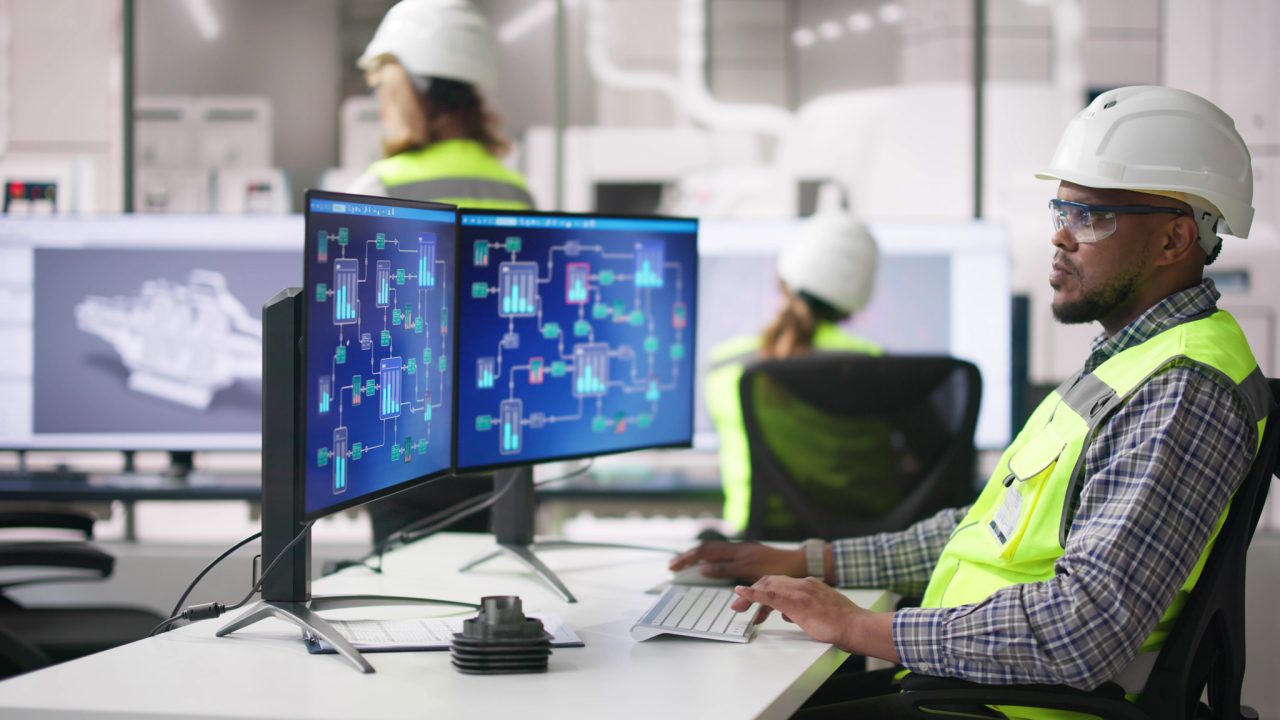
Resourceful project managers are increasingly relying on 3D modeling software, group planning tools, videoconferencing and AR walkthroughs to keep projects moving despite the labor shortage and the requirements of social isolation in the current COVID-19 era. From project planning and HR management to supply chain scheduling and mandatory inspections, technology is connecting people where they are, rather than requiring them to all be in the same place to get the next job done.
2. OffSite Work and Drop Shipping Redefines the Concept of “OnSite”
With the staffing of large work groups a challenge even before the COVID-19 outbreak, some builders have begun compartmentalizing the fabrication process. They use smaller teams or machines to design, craft and assemble smaller components—including the use of 3D printing technology—and then ship those components to the central site where they can be reassembled and installed by specialists. Like telework, this reduces the need to have everyone in one place. It also increases the demand for reliable project planning and transportation management systems that empower teams to keep track of all their moving pieces while making sure everyone is on the same page.
3. Using Technology for TraininG
Closing the skilled labor gap depends not just on attracting more labor, but also on increasing applicants’ skills. Online and distance training programs can help potential construction and freight employees learn more about these industries, study for required tests and certifications, and practice job skills in simulations. Digital training programs can also help professionals learn new languages, which makes working with and managing multilingual workers much easier and more rewarding.
4. Making Creative Use of Existing Truckload Space
With fewer long-haul and delivery drivers available than the freight industry needs, smart shippers are making better use of the existing space in less-than-truckload (LTL) shipments. A partially full truck still has the space to accommodate many smaller shipments, packages and parcels, which means transportation management companies are prioritizing the tracking and accurate logging of all that excess space so they can make it available to all potential shippers.
All together, these technology-driven opportunities mean construction and freight companies have more access to space, drivers and labor than they may realize; they just need to know where to look.