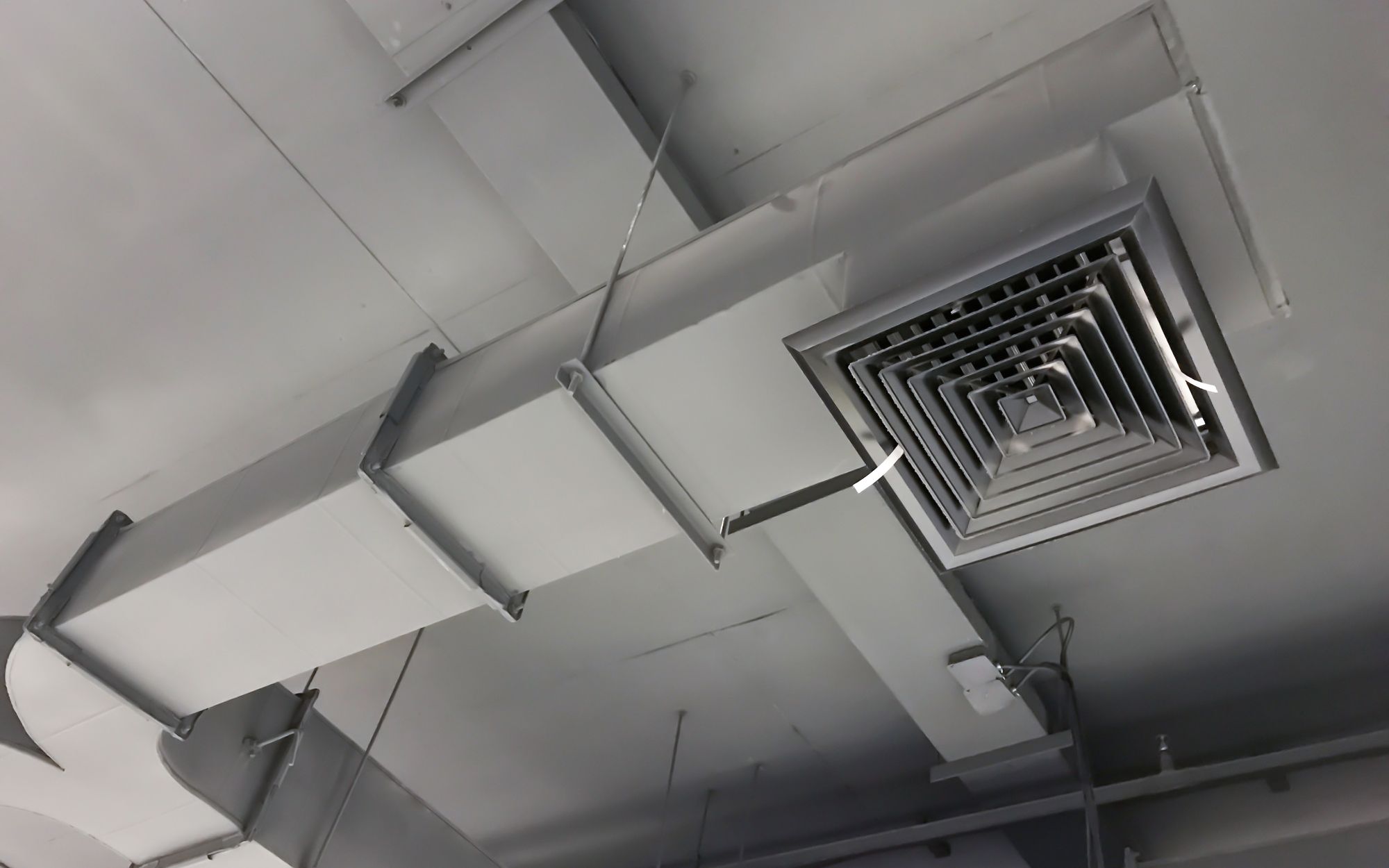
Duct system type, operating pressure, design flow and apparent tightness are four criteria that can help identify buildings that are most likely to see significant energy and cost saving benefits from duct sealing, according to Duct Leakage and Retrofit Duct Sealing in Minnesota Commercial and Institutional Buildings, a study by the Center for Energy and Environment.
The study found the following information. The system type refers to exhaust systems and particularly references systems traversing unconditioned space, located in ceiling plenum returns or those with fully ducted returns. The operating pressure of 0.5-inch water gauge is acceptable but pressure higher than 1-inch water gauge is preferred. Design flows greater than 4,000 cubic feet per minute (CFM) are acceptable but greater than 10,000 CFM is preferred. Systems that are tightly constructed, including those with spiral, flanged and gasketed ductwork as well as existing sealant are less likely to leak.
In addition, the study found aerosol-based duct sealing was more effecting than traditional duct sealing using tape or mastic—especially when ducts were insulated or access the entire duct system was limited.
Click here to read the entire study.
For more information on the study, visit the research project page.